FARMERS in Zimbabwe’s traditional high-rainfall regions should adopt drought-tolerant small grains to insulate themselves against devastating climate-change-induced crop failures, an industry executive has said.
Speaking during a sorghum field day at Mr Martin Matsa’s farm in the Beatrice area of Seke District last week, Zadzamatura managing director, Dr Daniel Myers, said the days of relying solely on maize in historically wet regions were fading due to unpredictable weather patterns.
The event, which brought together agronomists from the Government’s agricultural advisory directorate (AGRITEX), Zadzamatura (formerly Cargill) field officers, farmers, experts and various industry stakeholders, served as a knowledge-sharing platform to boost small grains production.
The field day also drew agronomists from the Matabeleland provinces—where small grain production is predominant—to share long-term expertise on producing the drought-resilient crop.
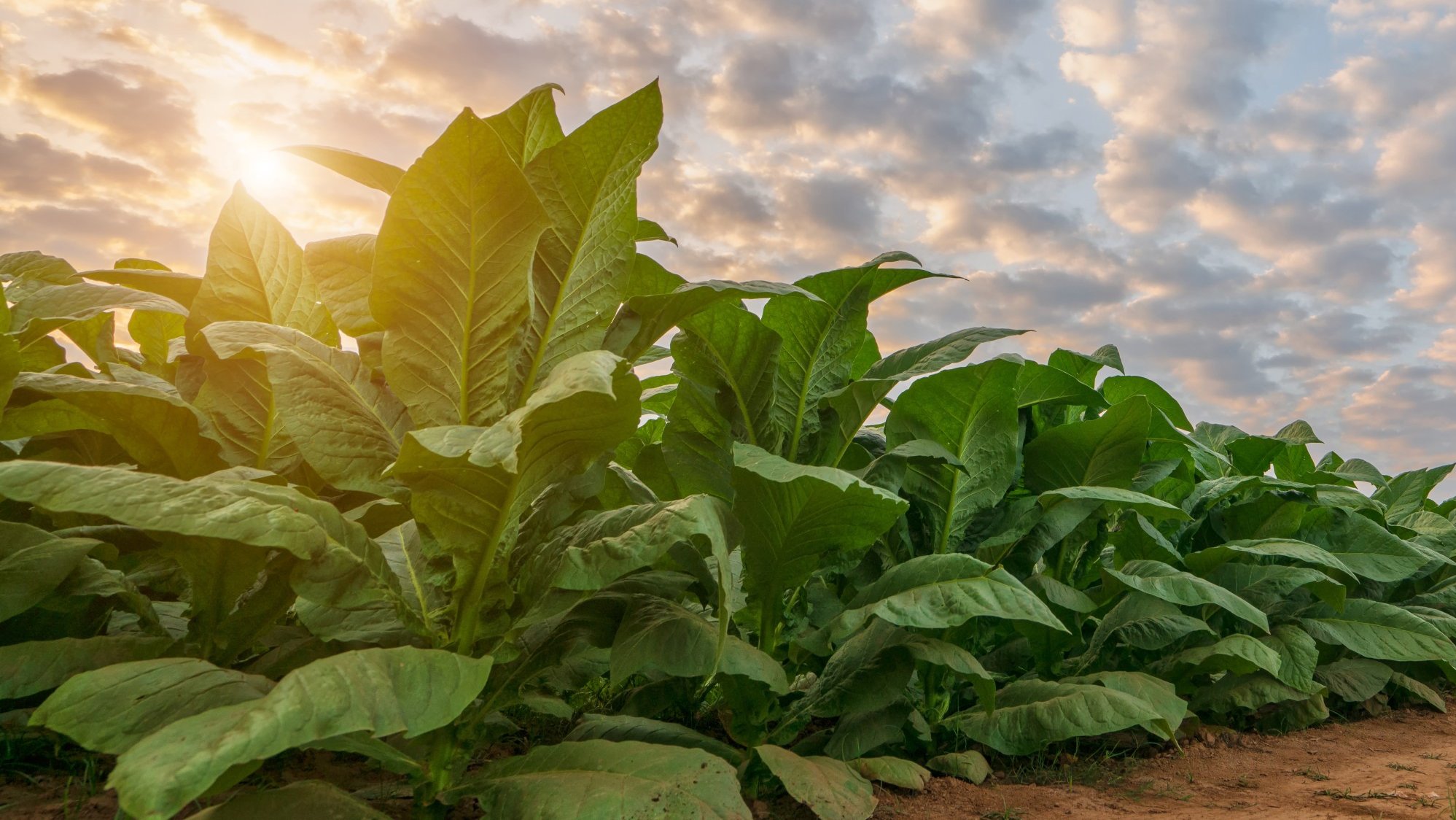
Sorghum
Historically, calls to grow small grains like sorghum, pearl millet and finger millet were largely restricted to the perennially low rainfall regions of Matabeleland, Masvingo and parts of Midlands (natural regions 4 and 5).
However, successive droughts and prolonged dry spells driven by climate change have triggered widespread failure of the traditional staple, maize, even in northern and eastern provinces.
Dr Myers emphasised that shifting to small grains was no longer just an option for arid zones, but a national necessity to maintain farmer viability and enhance the country’s food sovereignty.
“We want farmers to be viable and create value,” said Dr Myers. “Small grains such as sorghum provide that opportunity. We urge farmers, even in non-traditional growing areas, to adopt small grains to insulate themselves against climate-driven droughts and improve national food security.”
To bridge the gap between climate resilience and profitability, Dr Myers highlighted Zadzamatura’s high-yielding sorghum variety, Macia, which he noted provides “excellent yields” capable of keeping both commercial and smallholder farmers financially viable.
Dr Myers urged farmers to use certified seed from reputable seed houses and adhere to agronomic advice from AGRITEX and private sector field officers to increase yields.
He emphasised the importance of mastering correct agronomic practices, robust crop management, and utilising both traditional and modern technical methods to protect crops from bird damage—a common challenge in sorghum farming.
Zadzamatura agronomist, Mr Oscar Machaka, noted that Macia is a high-yielding sorghum variety with a potential output of 1,5 to two tonnes per hectare.
He highlighted that sorghum presents a strong business case for farmers due to rising demand driven by the health food industry and the commercial brewing sector.
Furthermore, Mr Machaka highlighted that the Government, through the Grain Marketing Board (GMB), provides a ready market and has been offering incentive pricing to encourage production.
Compared to maize, sorghum features significantly lower production costs and less demanding crop management.
“It is highly critical to plant early so that the crop matures before bird pressure peaks in January,” Mr Machaka advised.
Experts also cautioned against planting recycled seed, noting that it compromises crop purity, lowers yields, and heightens disease risks. Instead, they urged farmers to rely exclusively on factory-processed certified seed to guarantee optimal performance.
Mr Matsa shared that he switched to sorghum after facing persistent challenges with his maize crops.
He explained that sorghum requires significantly fewer inputs and can thrive without irrigation during low-rainfall periods.
Last season, Mr Matsa dedicated 30 hectares to the Macia variety, which he praised for delivering excellent yields and exceptional grain quality. “I urge fellow farmers to seriously venture into this crop because it makes brilliant business sense, is easy to manage and is highly profitable,” Mr Matsa said.
The call to extend small grain production away from just Matabeleland comes at a critical time for Zimbabwe’s agricultural sector.
Over the past decade, the country has faced increasingly frequent and severe droughts—often exacerbated by El Niño weather phenomena—which have severely impacted rain-fed maize production.
This year, early indications of a potential “Super El Niño” have heightened fears of poor rainfall, further amplifying calls for farmers to adopt drought-resilient small grains.
The Government has been actively promoting the Traditional Grains Programme.
Under this initiative, input distribution schemes (such as the Presidential Input Scheme/ Pfumvudza/Intwasa) have increasingly substituted maize seed with sorghum and millet seed, particularly in drought-prone districts.-herld