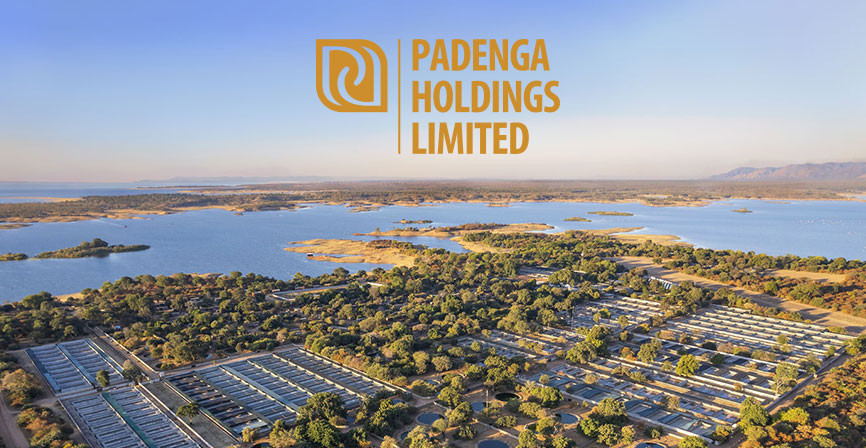
Gold miner and crocodile breeder Padenga Holdings reported a sharp rise in first-quarter output, positioning bullion as the dominant earnings driver for the group amid soaring global gold prices, as investors pile funds into haven assets.
In a trading update released on Wednesday, company secretary Andrew Lorimer said gold production from the group’s mining arm, Dallaglio, rose 13 percent to 696.7kg in the quarter ended March 31, up from 618,9kg in the comparable period last year.
“The increase was primarily driven by higher average mill feed grades across both Eureka and Pickstone operations,” Mr Lorimer said.
The production growth comes as international bullion prices remain near record highs, buoyed by geopolitical tensions, central bank buying and investor demand for safe-haven assets.
Padenga said the average gold spot price during the quarter surged to US$4,875 per ounce, compared with US$2 887 in the same period last year.
For Zimbabwe’s mining sector, where producers are benefiting from a strong gold rally despite higher royalties and policy tightening, the performance reinforces the growing importance of the yellow metal in corporate earnings and export generation.
Padenga noted that the operating environment during the quarter remained stable, supported by tight monetary policy and improved fiscal discipline.
However, the company also highlighted the impact of changes to Zimbabwe’s royalty framework after authorities introduced a sliding scale system under which a 10 percent royalty applies to gold sold above US$5 000 per ounce, replacing the previous flat 5 percent structure.
Despite the higher royalty burden, Padenga projected a strong financial performance for the rest of the year.
“A robust financial performance is expected through to year-end for Dallaglio, supported by stable and consistent production at the Eureka Mine, improving ore hoisting performance at Pickstone Mine, and a favourable gold price outlook that remains at elevated levels,” Mr Lorimer said.
The group is simultaneously accelerating capital expenditure programmes aimed at improving processing efficiency and expanding production capacity.
Mr Lorimer said the gravity upgrade project at Eureka Mine remained on schedule for commissioning in the second quarter of 2026 and within budget.
“Once completed, the initiative will drive overall processing plant recovery and deliver improved cost efficiencies in the Carbon-In-Leach section of the plant,” he said.
Padenga also revealed that the Dallaglio board had approved a separate project to upgrade cyclone clusters at Eureka in a move designed to increase milling circuit capacity.
“The project is currently in the procurement phase, with installation and commissioning targeted for the fourth quarter of 2026,” Mr Lorimer said.
In another development likely to improve operating economics, the Eureka solar power project achieved first power in April following completion of transmission infrastructure works.
“Ramp up to the full 5MW capacity is underway and expected before the end of Q2 2026,” Mr Lorimer said.
The investment reflects a broader shift among Zimbabwean miners towards self-generation as companies attempt to shield operations from grid instability and rising energy costs.
At Pickstone Peerless Mine, Padenga said strategic attention remained focused on diamond drilling and mine development to expand reserves and support long-term production sustainability.
“Exploration diamond drilling will prioritise confirming the orebody at Concession Hill and establishing depth continuity of the reef below the Peerless open pit,” Mr Lorimer said.
While mining dominated the quarter, Padenga’s agribusiness division also posted a sharp increase in sales volumes, although profitability pressures remain.
The company sold 17 667 crocodile skins during the period, a 172 percent jump from 6 495 skins a year earlier. The increase, however, was largely driven by discounted clearance sales of excess inventory accumulated from previous harvests after a right-sizing exercise.
Mr Lorimer said, “The skins were sold at a discount to move volumes”.
The agribusiness business unit, once the group’s flagship operation before its mining pivot, continues to face subdued global luxury leather demand and difficult market conditions.
Still, Padenga expressed cautious optimism over the medium-term outlook for the division.
“The Agribusiness division is continuing its efforts to maximise returns on the reduced volumes under depressed market conditions and is forecasting to return to positive returns in the short to medium term,” Mr Lorimer said.
However, for investors, the latest update leaves little doubt about where the group’s momentum now lies. Gold mining has become the engine powering Padenga’s growth story, with agribusiness increasingly taking a secondary role in the company’s earnings mix.-herald