ZIMBABWE is strengthening its position in global strategic mineral supply chains as soaring international demand for lithium, gold, platinum and chrome drives a new wave of mining investment, export growth and industrial expansion.
The development comes as the country accelerates efforts to transform the mining industry from a largely extractive sector into a major industrial and export powerhouse anchored on beneficiation and value addition under Vision 2030.
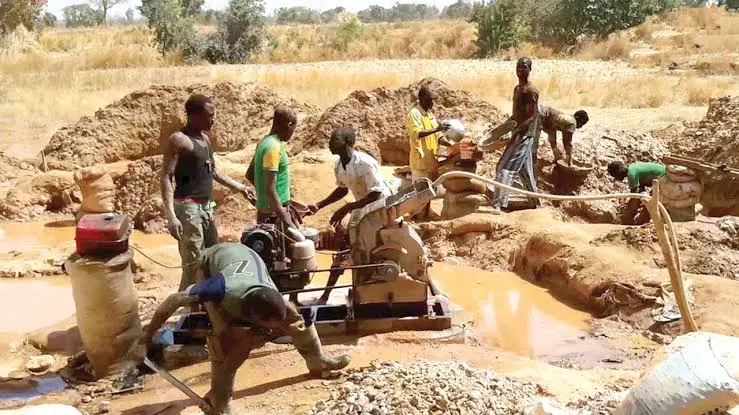
Industry projections show Zimbabwe’s formal mining sector will require up to 100 000 workers over the next five years, with nearly half expected to be engineers and other critical technical professionals as companies expand operations and adopt more advanced production systems.
At present, the formal mining sector employs about 60 000 people and remains one of the country’s largest formal employers and a key pillar of economic activity.
According to the Chamber of Mines of Zimbabwe (CoMZ), mining contributes about 14,5 percent to Gross Domestic Product (GDP), generates approximately US$7,7 billion in output, contributes around 20 percent (US$1,7 billion) to fiscal revenues and accounts for more than 45 percent (US$8 billion) of Zimbabwe’s foreign currency inflows.
Speaking at the Zimbabwe Association of Pension Funds (ZAPF) Annual Conference held in Victoria Falls recently, CoMZ chief executive officer Mr Isaac Kwesu said the sector’s rapid expansion is creating unprecedented demand for skilled labour.
“The formal mining industry requires at least 100 000 people in the next five years, with nearly half being critical skills, specifically engineers,” said Mr Kwesu.
He said the mining industry expanded by 7,3 percent in 2025, driven by strong performances in gold, coal and platinum group metals (PGMs), while the sector is projected to grow by 10 percent this year.
Zimbabwe is also targeting mineral export earnings of at least US$21 billion within the next two years as the Government intensifies the drive for beneficiation and value addition across key minerals.
Last year, the country recorded more than US$16 billion in foreign currency receipts — the highest since Independence — up sharply from US$5,5 billion realised in 2017 before the advent of the Second Republic.
Economists say Zimbabwe is increasingly becoming strategically important in global mineral supply networks as demand rises for critical minerals used in modern technologies and energy transition industries.
In a recent interview, economist Mr Persistence Gwanyanya, who is also a member of the Reserve Bank of Zimbabwe (RBZ) Monetary Policy Committee, said the expansion of Zimbabwe’s mining sector is being driven by a global investment cycle centred on strategic minerals.
“The surge in labour demand is a direct response to a new investment cycle in mining, driven by rising global demand for strategic minerals such as lithium, platinum and gold,” he said.
“As existing operations expand and new projects come on stream, Zimbabwe is being integrated more deeply into global supply chains — but this growth will only be sustainable if it is matched by investment in skills, infrastructure and energy reliability.”
The growing importance of lithium — a critical mineral used in electric vehicle batteries and renewable energy storage systems — is increasingly positioning Zimbabwe among key emerging suppliers to global industrial markets.
New investments in lithium processing plants, platinum expansion projects, gold mining operations and chrome beneficiation are also expected to accelerate downstream industrial development while increasing demand for technical skills and engineering expertise.
Analysts say the shift towards beneficiation and local processing of minerals is critical if Zimbabwe is to maximise value from its vast mineral resources and reduce dependence on raw mineral exports.
The projected growth in mining is also expected to intensify competition for skilled labour as companies increasingly adopt mechanised and technologically advanced production systems requiring specialised expertise.
Industry experts warn that sustaining Zimbabwe’s integration into global mineral supply chains will depend heavily on continued investment in electricity generation, transport infrastructure, skills development and industrial capacity expansion.
Under Vision 2030, the Government is seeking to transform Zimbabwe into an upper middle-income economy, with mining expected to remain one of the central pillars driving export growth, industrialisation and employment creation.-herald