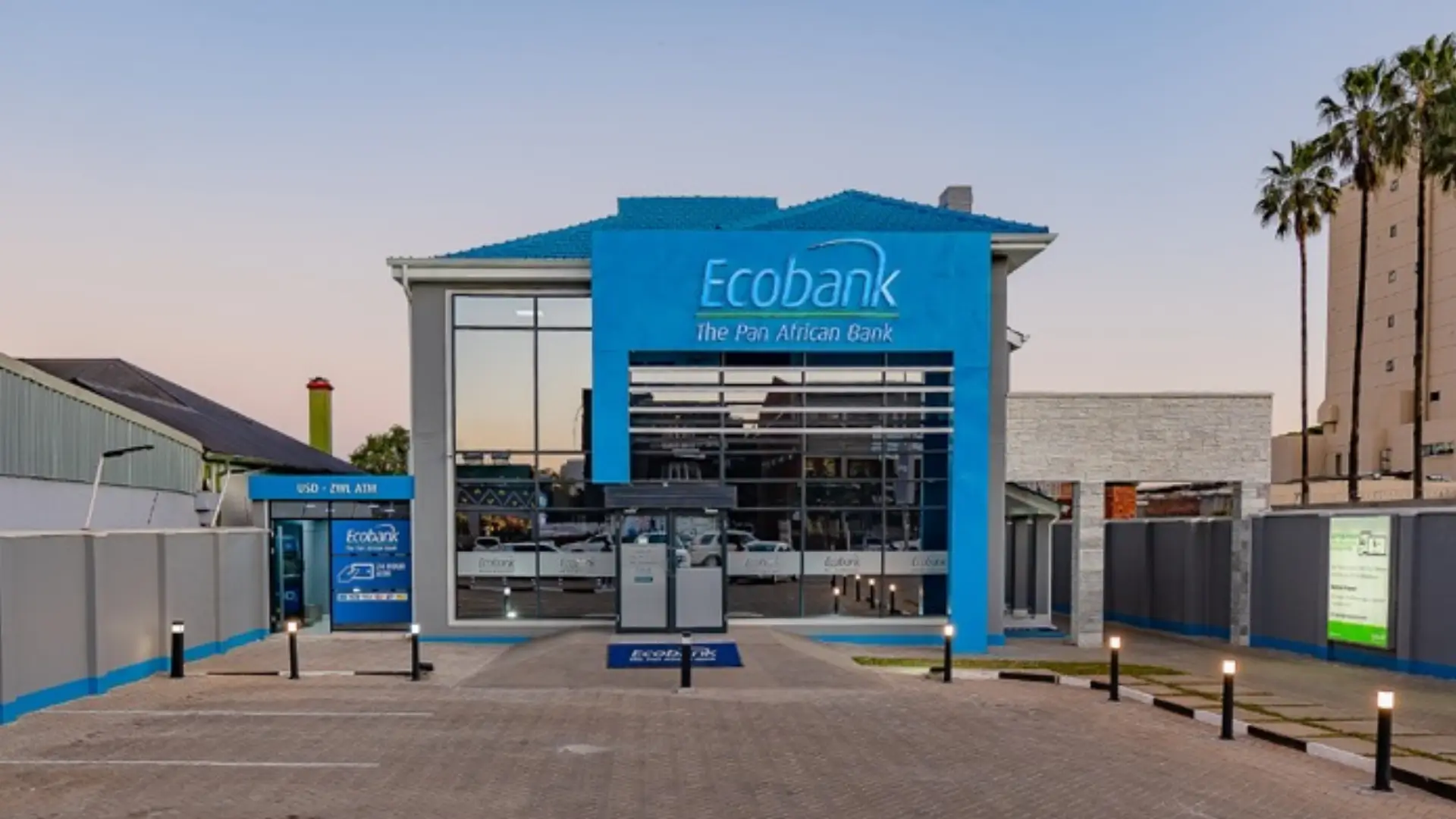
THE African Export-Import Bank has extended a US$15 million facility to Ecobank Zimbabwe to provide support to small businesses in Zimbabwe’s export value chains.
The funding falls under Afreximbank’s Export SME Development Programme (ESDP). It is meant for small and medium enterprises (SMEs) in agribusiness, manufacturing, healthcare, logistics, technology and the creative economy, among others.
The facility comes as Zimbabwe seeks to deepen export diversification and increase value addition amid improving macro-economic conditions and renewed focus on regional trade opportunities under the African Continental Free Trade Area (AfCFTA).
Afreximbank said the financing would provide working capital and capital expenditure support to SMEs, which contribute more than 60 percent of Zimbabwe’s gross domestic product and over 70 percent of employment but remain constrained by limited access to long-term finance.
“The latest transaction builds on a relationship with Ecobank Zimbabwe dating back to 2018 and reflects a shared commitment to expanding SME access to finance, deepening export value chains and driving inclusive economic growth in Zimbabwe”.
Speaking during the signing ceremony, Afreximbank managing director for export development, Ms Oluranti Doherty, said the facility was designed to tackle financing gaps that conventional lenders often avoid.
“In Zimbabwe and across the continent, Afreximbank remains firmly committed to supporting SMEs as engines of export expansion, economic resilience and long-term development,” she said.
“This facility with Ecobank Zimbabwe Limited exemplifies the kind of high-additionality, high-impact intervention that the ESDP was designed to deliver, addressing market failures that commercial finance alone cannot resolve, and building the productive capacity of enterprises that are central to Africa’s trade transformation.”
She added that the programme was intended to go beyond traditional lending.
“This facility goes beyond providing credit; it is a structured commitment to building the capacity of enterprises that can drive Zimbabwe’s participation in intra-African trade and regional value chains,” Ms Doherty said.
“Through the ESDP, we are ensuring that each beneficiary SME is not only funded but equipped, connected and positioned to grow sustainably.”
According to Afreximbank, 43,75 percent of the proceeds will support intra-African trade activities, while 18 percent has been ring-fenced for manufacturing enterprises, underlining the lender’s emphasis on industrialisation and regional integration.
The programme will also include non-financial support, such as training in financial management, export readiness, digitalisation, operations, and marketing, to improve sustainability and credit quality among beneficiary firms.
According to the 2021 Micro, Small and Medium Enterprises (MSMEs) Survey, Zimbabwe has 3.4 million MSMEs employing 4.8 million people full-time.
The 2022 Finscope Survey reported that MSMEs contributed US$8.6 billion to Zimbabwe’s GDP. These numbers highlight MSMEs as crucial players in Zimbabwe’s economy, helping the nation progress towards the 2030 Agenda for Sustainable Development.
For Ecobank Zimbabwe, the facility strengthens its capacity to expand lending to smaller enterprises at a time when banks are increasingly positioning SMEs as a critical growth segment.
Ecobank Zimbabwe managing director Mr Moses Kurenjekwa said access to export-linked financing remained one of the biggest hurdles facing small businesses.
“Ecobank Zimbabwe Limited is proud to partner with Afreximbank on this facility, which speaks directly to our commitment to unlocking the potential of Zimbabwe’s SME sector,” he said.
“Small businesses are the engine of our economy, and access to appropriate, export-linked financing is what enables them to grow, create jobs, and compete regionally.”
Mr Kurenjekwa said the partnership combined Afreximbank’s development finance mandate with Ecobank’s local market reach.
“This collaboration brings together Afreximbank’s development finance mandate and our on-the-ground reach to deliver a solution that is both impactful and scalable,” he said.
“We look forward to walking this journey with Zimbabwe’s SMEs as they integrate into regional and continental trade value chains.”
This comes as Zimbabwe is positioning itself as a strategic trade and logistics hub within Southern Africa, leveraging its location along the North-South Corridor linking Dar es Salaam and Durban, as well as the Beira Corridor, which connects land-linked economies to Indian Ocean ports.
Economic growth prospects have also improved, with Zimbabwe’s GDP forecast to expand by 6 percent in 2025, supported by expected strong performance in agricultural output and firm international gold prices.
Locally, export-oriented SME financing remains critical for Zimbabwe’s industrial recovery, particularly as businesses seek to modernise production systems, improve competitiveness and access wider regional markets under AfCFTA.
Afreximbank, one of Africa’s largest trade finance institutions, reported total assets and contingencies exceeding US$40,1 billion at the end of December 2024, while shareholder funds stood at US$7.2 billion.
Ecobank Zimbabwe, part of the pan-African banking group Ecobank Transnational Incorporated, recently recorded revenues of US$100 million for the year ended December 31 2025, driven by stronger lending activity and diversification across its business lines.-herald