THE commissioning of the Wanezi Dam, Irrigation Scheme and Piped Water System in drought-prone Insiza district marks a shift in Zimbabwe’s approach to water infrastructure, with government insisting that dams must become engines of rural economic transformation rather than remain reservoirs for water storage.
Speaking during the official commissioning of the project recently, Agriculture, Mechanisation and Water Resources Development minister Anxious Masuka said the multi-million-dollar investment represented a practical demonstration of President Emmerson Mnangagwa’s vision of turning dams into centres of agricultural production, employment creation and community development.
“The dam must not be the end, but the means to transform rural livelihoods,” Masuka said.
The project, implemented under the Climate Adaptation Water and Energy Programme, was funded by the United Kingdom’s Foreign, Commonwealth and Development Office (FCDO) through the United Nations Development Programme (UNDP).
It combines water infrastructure, irrigation, renewable energy and climate adaptation interventions aimed at strengthening food security and livelihoods in one of Zimbabwe’s most drought-affected districts.
Destroyed by Cyclone Dineo in 2017, Masuka said the rehabilitation of Wanezi Dam came after government sought development partners to restore the critical infrastructure.
“When Wanezi Dam was breached by Cyclone Dineo, government looked for partners to redevelop the dam. We are pleased that UK Aid and UNDP came on board,” he said.
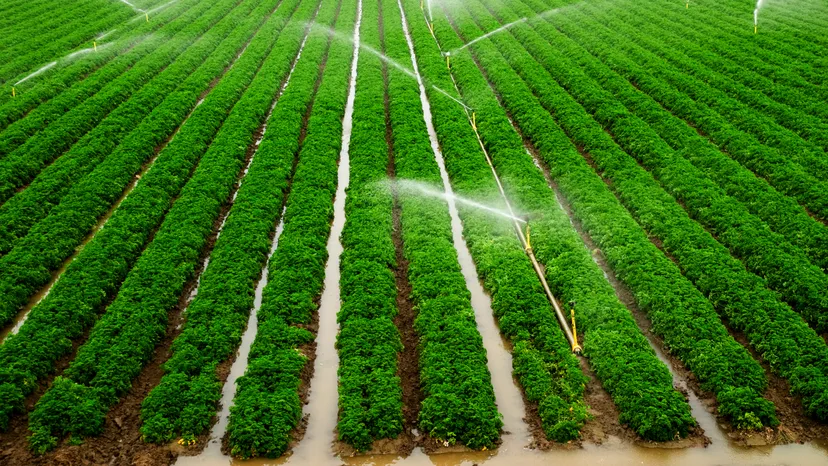
Beyond restoring the dam, the project has created a 30-hectare centre-pivot irrigation scheme benefiting 76 households, a seven-hectare drip irrigation scheme at Wanezi Secondary School, solar-powered piped water systems, a water treatment plant, 11 boreholes and an automatic weather station.
Masuka said the infrastructure would support year-round agricultural production, fisheries and provide potable water to more than 700 households, helping communities build resilience against increasingly frequent droughts.
The project reflects government’s broader irrigation development strategy, which seeks to reduce dependence on rain-fed agriculture as climate change continues to disrupt seasonal rainfall patterns.
UNDP resident representative in Zimbabwe, Ayodele Odusola, warned that climate projections point to a warmer and drier future for Zimbabwe, making investments such as Wanezi increasingly important.
“Climate change projections clearly show a warmer and drier future for Zimbabwe, with an increased likelihood of heat waves, greater rainfall variability and longer dry spells,” he said.
He said the country’s agriculture remained highly exposed because much of its production depended on rainfall.
“With the majority of the sector remaining rain-fed, it is highly vulnerable to climate-related disasters, with long-lasting effects on livelihoods, food and nutrition security, and the economy.”
According to UNDP, the irrigation scheme is already in its first production cycle, with 36 hectares planted under maize, sugar beans and chilli.
The current season is expected to produce about 119 tonnes of crops, generating projected sales of approximately US$65 600 and a gross margin of around US$27 000.
Odusola said market linkages had already been secured for farmers, including chilli export contracts to Germany and the United States, while beneficiaries had also received financial support, farming equipment and insurance cover to strengthen productivity and protect infrastructure.
Representing the British ambassador, head of strategy and engagement at the British Embassy, King Lartey, said the project demonstrated the importance of international partnerships in addressing the growing impacts of climate change.
“The project stands as a testament to what can be achieved when commitment, expertise and shared purpose come together,” he said.
Lartey said the rehabilitation had not only restored the dam but strengthened it to withstand future climate pressures.
Environment, Climate and Wildlife secretary Simon Masanga said climate change remained one of Zimbabwe’s biggest development challenges, pointing to extreme weather events such as Cyclone Dineo, which damaged Wanezi Dam, as evidence of the need to strengthen climate adaptation and long-term resilience.
The Wanezi project forms part of wider efforts by the government and development partners to improve water security, expand irrigation and build climate-resilient rural economies in vulnerable districts, as Zimbabwe seeks to transform dams from passive water reservoirs into productive assets that drive food security, incomes and sustainable rural development.-newsday