The Government has made debt clearance one of its fiscal priorities, having channelled US$600 million towards servicing both external and domestic obligations during the first half of the year, as part of a broader strategy to restore Zimbabwe’s creditworthiness and unlock access to long-term infrastructure financing.
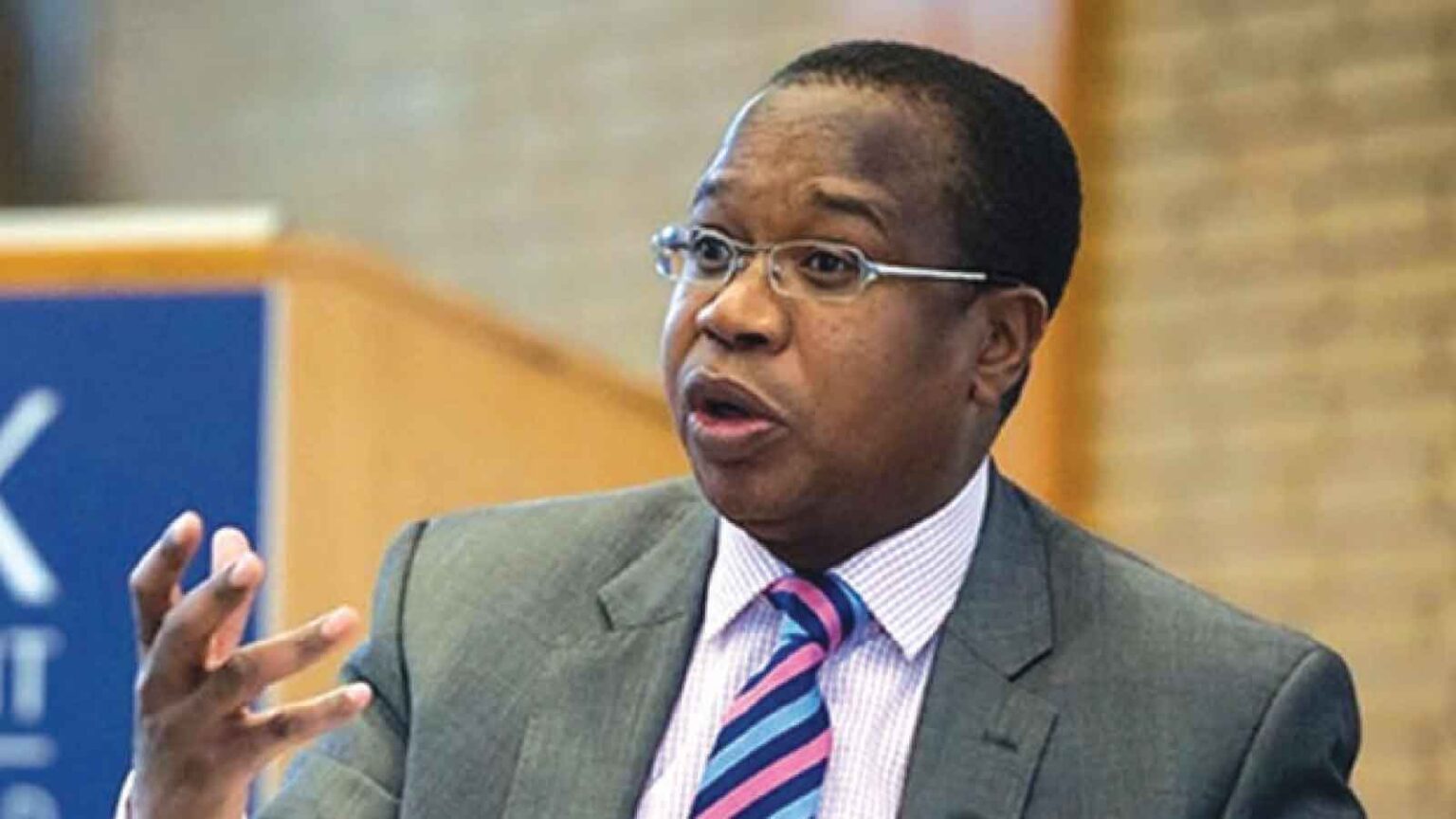
Speaking during a media briefing after the 2026 Post Mid-Term Budget Breakfast in Harare, Finance, Economic Development and Investment Promotion Minister Professor Mthuli Ncube and Finance Secretary George Guvamatanga said disciplined debt repayments were strengthening confidence among international lenders and development finance institutions, while laying the groundwork for renewed capital inflows.
This follows a recent presentation of the 2026 Mid-Term Budget Review, which highlighted improved revenue performance, continued fiscal surpluses and the Government’s commitment to maintaining macroeconomic stability.
Secretary Guvamatanga said the Government had already demonstrated its commitment to honouring its obligations through substantial debt repayments across several categories.
“Between January and June, we have actually, on an aggregate basis, paid US$600 million in debt. That includes payments to multilateral lenders, token payments to bilateral creditors, servicing of the effective loans that we currently have, as well as payments to domestic suppliers.
“The surplus in revenue has been utilised in these areas and we can clearly demonstrate where those resources have gone,” he said.
He noted that the repayments were sending a strong signal to Zimbabwe’s international creditors and development partners that the Government remained committed to resolving its debt burden through a structured and transparent process.
“The international and bilateral partners are seeing that commitment from the Government of Zimbabwe to settle these debts. That is why there is strong confidence that we will have a successful Staff Monitored Programme (SMP),” said Mr Guvamatanga.
He said successful implementation of the programme would position Zimbabwe to move to the next stage of its arrears clearance and debt resolution process, eventually restoring access to affordable long-term development finance.
“One of the critical aspects of our economic development is being able to access long-term and cheaper concessional funding for key infrastructure projects. That remains our objective.”
Professor Ncube said the Government’s renewed borrowing strategy would be fundamentally different from previous approaches, with future loans tied directly to productive infrastructure capable of generating cash flows to service the debt.
“We are very clear that we are not going to be borrowing simply for balance of payments support. We are borrowing to support transport infrastructure, border posts, roads, rail, irrigation and dams because these projects generate economic activity and revenue that can support repayment,” he said.
He noted that the Government had learnt valuable lessons from previous borrowing practices.
“In the past we borrowed without always having projects that generated the cash flows needed to repay the loans. We have learnt from those experiences. Now, whenever we borrow, we ensure there is a supporting cash flow,” he said.
The minister said investments in transport corridors, irrigation infrastructure and border modernisation would strengthen productivity while improving Zimbabwe’s competitiveness as a regional trade hub.
“There is a road that generates toll fees. There is a border post where activities generate revenue. There is a dam that supports irrigation and agricultural production. These are productive assets that strengthen our repayment capacity,” he said.
Mr Guvamatanga said Zimbabwe’s debt servicing record on performing loans continued to improve despite widespread misconceptions.
“Our payment record is actually very favourable, contrary to some popular but inaccurate perceptions. In about two months, we expect to clear the well-known Development Bank of Southern Africa loan that financed sections of the Harare–Bulawayo–Mutare highway rehabilitation programme. We have been servicing that loan consistently every month without fail,” he said.
He added that the Government was already considering additional infrastructure financing once existing obligations were retired.
The Finance Secretary also revealed that Zimbabwe had significantly reduced its outstanding obligations to one of its bilateral lenders through consistent repayments over the past decade.
“We borrowed around US$12 billion over the last 10 years and the outstanding balance is now about US$3 billion. That shows we have consistently honoured our obligations. The willingness, the capacity and the ability to pay are there.”
He said this improving repayment record was encouraging greater interest from international financiers seeking to support Zimbabwe’s infrastructure development agenda.
“There is significant interest from the international financial sector and private investors. That is simply a reflection of an economy that is stable, growing and increasingly attracting confidence.”
Mr Guvamatanga said officials from the African Finance Corporation were already engaging Zimbabwe on potential investments, particularly within the mining sector, while discussions were expanding to cover broader infrastructure opportunities.
He said the Government also expected stronger engagement with the New BRICS Development Bank following Zimbabwe’s admission into the institution, opening opportunities to finance strategic projects such as railway modernisation.
“In China, where the bank is headquartered, they have extensive expertise in railway systems. We hope that is one of the areas we can pursue using resources from the New Development Bank.”
Professor Ncube said modernising border infrastructure formed part of the Government’s strategy to transform Zimbabwe from a landlocked country into a land-linked economy by improving trade efficiency and logistics across Southern Africa.-herald