ZIMBABWE must address persistent challenges in its road network, the high cost of air access and power supply constraints if it is to improve the ease of doing business and unlock the full potential of its tourism industry, business leaders have said.
The concerns were raised during the Competitiveness Summit held in Bulawayo on Thursday, where industry players noted that while Government had made progress on regulatory reforms, weaknesses in physical and digital infrastructure continued to undermine competitiveness.
Tourism Business Council of Zimbabwe acting chief executive Mr Christopher Sithole said Zimbabwe’s competitiveness as a tourism destination could be measured through two key indicators, average length of stay and tourist expenditure, where the country continues to lag behind regional competitors.
“Currently in Zimbabwe we are doing two to three nights as a destination, which translates to US$500 spent. If you compare regionally, South Africa does 11 nights, Kenya seven nights, Ghana nine nights,” Mr Sithole said.
He said the short average stay reflected weaknesses across tourism value chains, including transport, accommodation, food production and internal travel systems.
“Flying into Zimbabwe today, we are on 23 percent [in taxes/charges], that makes the destination very expensive. Regardless of how many levies we slash from a Government (regulatory reform) side, this is not the elephant in the room.
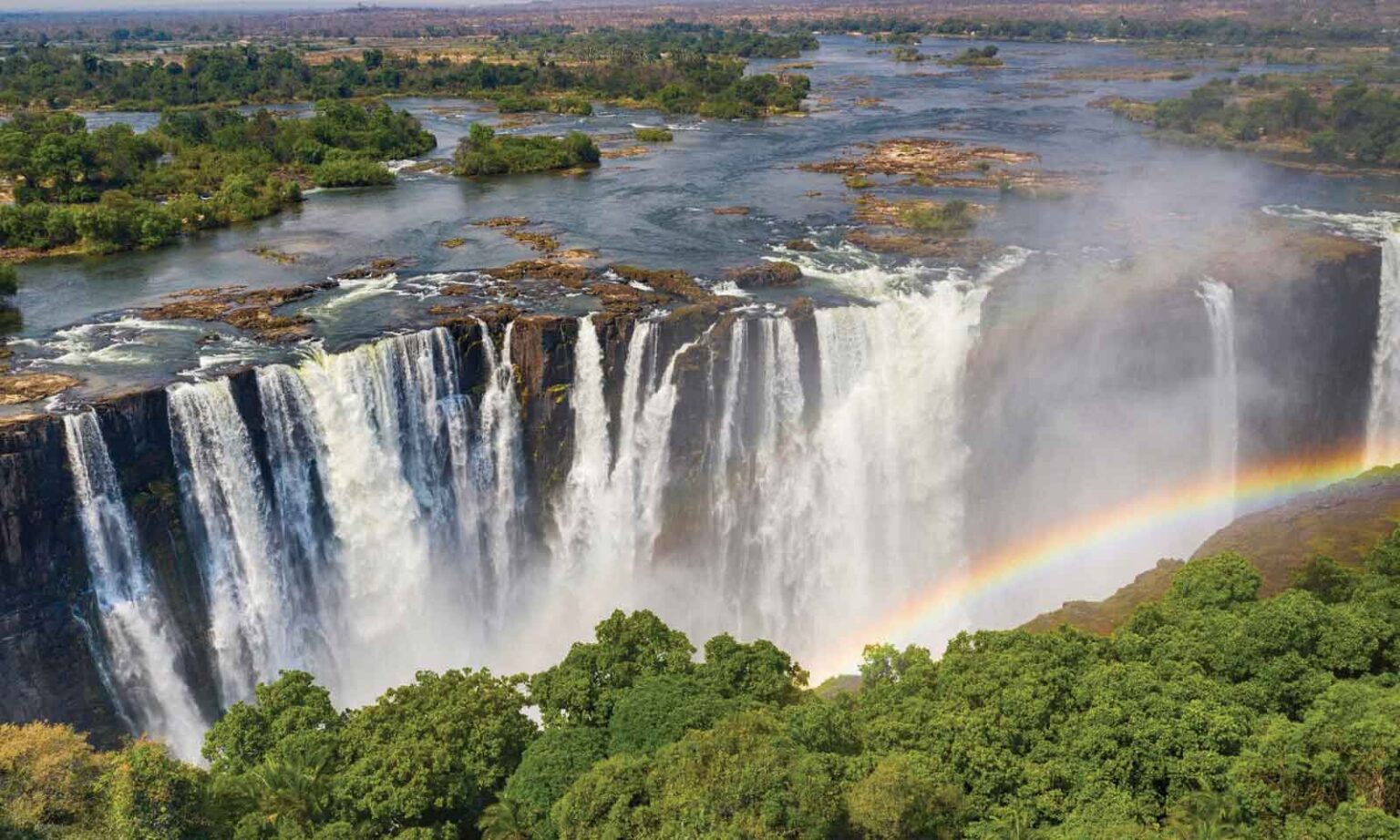
“The elephant in the room is what is the cost of flying into Zimbabwe and when you get into Zimbabwe, how easy is it for the tourist to travel from Harare to Victoria Falls, from Harare to the Eastern Highlands, from Harare to Kariba? This is where the challenge is.”
Mr Sithole said the state of the country’s road network was discouraging both international and domestic tourism.
“We look at our road network; no international traveller is comfortable driving from Bulawayo to Victoria Falls. That is a huge cost. Even local tourists, our domestic tourists, are not comfortable travelling from
Harare to Victoria Falls or Harare to Kariba because of the state of our roads,” he said.
He said transport challenges were contributing significantly to Zimbabwe’s competitiveness deficit as a tourism destination.
Mr Sithole also highlighted supply-side constraints affecting local industries, noting that domestic milk production remained below national demand. He said Zimbabwe produced about 155 million litres of milk annually against a national demand of more than 220 million litres, leaving producers with narrow profit margins.
“As the tourism industry, we want to have our breakfast driven by local suppliers. We are not comfortable with breakfast being imported. What that means basically is we are not competitive,” he said.
He also raised concerns over inadequate digital infrastructure, pointing out that only 12 of the country’s 25 Government ministries had functional websites.
“How is Zimbabwe going to be discovered as a destination? What it means is we are in the ICU as a destination,” he said.
Zimbabwe National Chamber of Commerce (ZNCC) chief executive officer Advocate Christopher Mugaga echoed the concerns, saying poor transport infrastructure and energy costs remained major obstacles to doing business.
“In terms of roads and railways, I think we still have a lot of work. Power supply members in the room will tell you that it’s not just the availability of power which we celebrate, it’s also the affordability of it. Once the bill is eaten by the costs, the cost per unit kilowatt is still too high,” said Adv Mugaga.
While much of his presentation focused on the impact of tight monetary policy, including a Bank Policy Rate of 30 percent, statutory reserves of 30 percent for demand deposits and significant reserve money held in Non-Negotiable Certificates of Deposit (NCDs), Adv Mugaga said infrastructure deficiencies and other hidden costs further worsened the business environment.
He said corruption remained a major burden on business, acting as a shadow cost capable of increasing expenses by as much as 200 percent, even where official charges had been reduced. He also cited bureaucracy, labour market rigidities and information asymmetry, which ZNCC’s 2025 study identified as accounting for 30 percent of ease-of-doing-business challenges.
Mr Mugaga said Zimbabwe needed to urgently improve both the quality and affordability of infrastructure if it was to attract longer tourist stays, increase visitor spending and stimulate private sector investment.
The panel concluded that without affordable air travel, rehabilitated roads, reliable electricity and effective digital platforms, efforts to reduce levies and promote the Buy Zimbabwe campaign would have limited impact on the country’s overall competitiveness.-herald