Under the new dispensation, a season of peace, political stability and purposeful governance has descended upon the nation like long-awaited rain.
The streets of Harare hum with renewed confidence. Investors are listening.
The world is watching. And right at the intersection of opportunity and identity lies a transformative idea whose time has come: Sports Tourism.
Zimbabwe has long been celebrated as a heritage tourism giant. Victoria Falls, Great Zimbabwe, Hwange National Park and the Matobo Hills draw hundreds of thousands of visitors annually, generating hundreds of millions of dollars and anchoring the nation’s tourism brand with pride.
These pillars are bearing great fruit and must be celebrated and sustained. But the bold question now facing tourism policymakers, investors and visionaries is this: What is the next baby that Zimbabwe’s tourism industry must birth and nurse to maturity?
The answer is Sports Tourism, and it is already crying to be born.
Heritage tourism: The proud mother that has delivered
Let us first honour what has worked. Zimbabwe’s heritage tourism brand is a story of resilience and global magnetism.
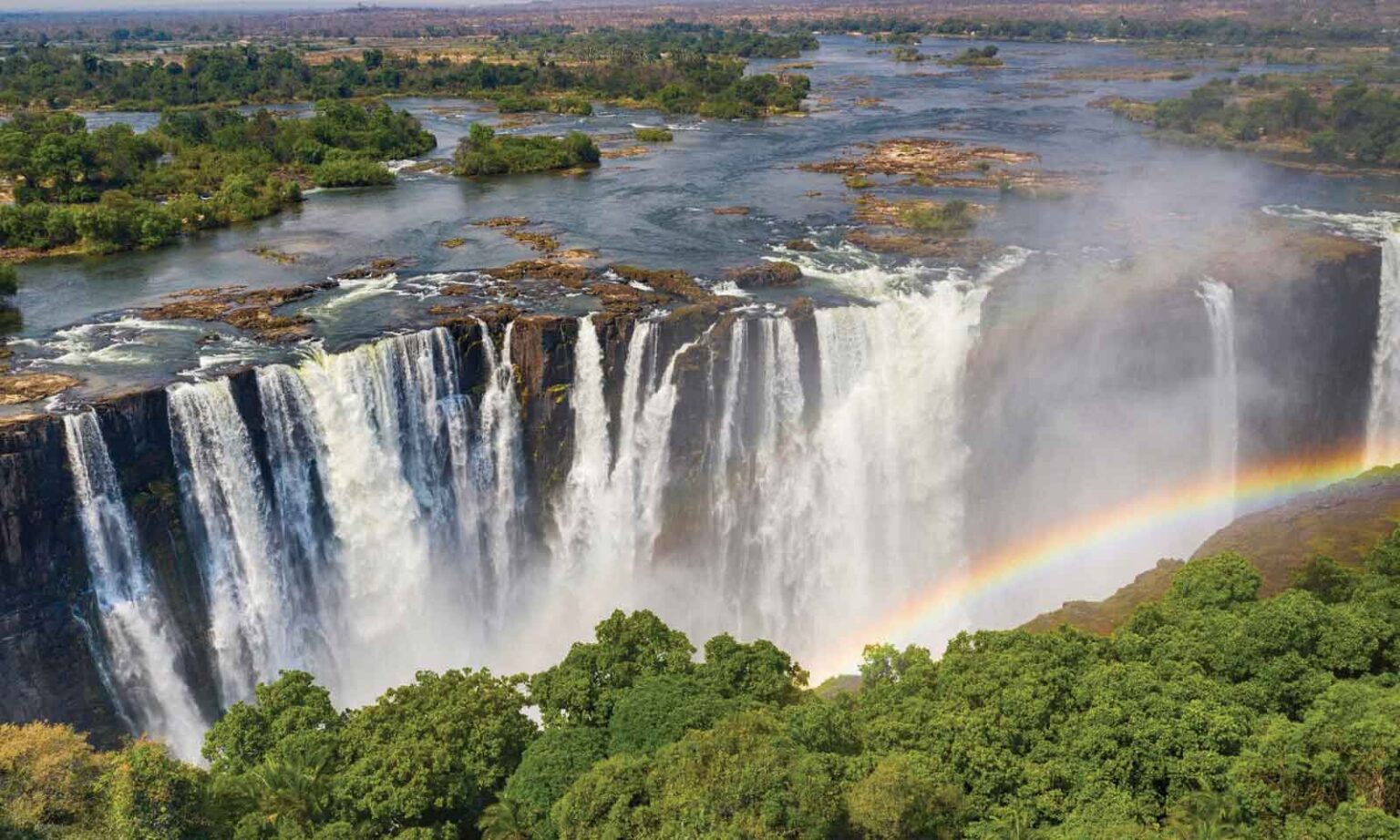
Victoria Falls: the smoke that thunders, remains one of the Seven Natural Wonders of the World, drawing adventurers, honeymooners and culture-seekers from every continent.
The ancient stone city of Great Zimbabwe: whispers of a sophisticated civilisation that pre-dates colonial imagination.
These sites are not merely tourist attractions; they are brand architecture: powerful, emotional and memorable.
The current Government’s commitment to infrastructure upgrades, road rehabilitation and destination marketing has positioned heritage tourism to reap even greater harvests in the coming years.
Zimbabwe is no longer merely surviving; it is thriving.
The billion-dollar baby: Why sports tourism now?
Globally, sports tourism is a US$800 billion industry growing at over 17 percent annually.
Major sporting events generate economic multipliers that dwarf ordinary tourism. The FIFA World Cup Qatar 2022 injected over US$6 billion into its host economy.
The Rugby World Cup in France attracted 2.4 million international visitors. Formula one races transform host cities into global broadcast stages seen by 500 million viewers.
Even smaller sporting events: marathons, cycling tours, golf opens: consistently drive hotel occupancies, retail spend and national brand visibility to extraordinary heights.
Zimbabwe possesses precisely the ingredients that make sports tourism thrive: natural landscapes ideal for adventure sports, growing urban infrastructure, a passionate sporting culture and now the most critical ingredient of all: peace and political stability.
Investors require certainty. Athletes require safety. Tourists require comfort. The new dispensation has delivered all three.
Bring the stars to Zimbabwe: The power of sporting icons
Imagine the roar of 60 000 Zimbabweans at the National Sports Stadium as Kylian Mbappé, the most electrifying footballer on earth, dribbles under African floodlights.
Imagine Jay-Jay Okocha, the Nigerian maestro whose feet told poetry, leading a Legends of Africa exhibition match against Zimbabwe’s finest.
Imagine FC Barcelona: the global footballing religion with 400 million fans worldwide, staging a pre-season tour in Harare, bringing with it an international media circus, millions in broadcast rights and thousands of travelling fans spending money across Zimbabwe’s hotels, restaurants and cultural sites.
This is not fantasy. South Africa used the 2010 FIFA World Cup to rebrand itself to the world.
Rwanda has positioned itself as an elite cycling destination and a major sponsorship player through its partnership with Team Qhubeka. Morocco is constructing an entire sports tourism economy around its 2030 World Cup co-hosting rights.
Zimbabwe can and must position itself on this same trajectory.
The Africa Cup of Nations, COSAFA tournaments, international athletics meets, and boxing world title fights hosted in Zimbabwe would generate billions in direct and indirect economic activity while broadcasting the nation’s new story to a global audience of hundreds of millions.
Peace as the foundation: The New Dispensation advantage
No stadium, no sporting event, and no tourism product can flourish in an environment of instability.
Zimbabwe’s new dispensation has wisely understood that peace is not merely a political achievement: it is an economic asset.
The stability currently enjoyed across Zimbabwe’s provinces, the improved relations with the international community and the Government’s deliberate investor-friendly posture collectively form the bedrock upon which a world-class sports tourism brand can be confidently constructed.
Global sporting bodies, franchise owners and event organisers choose destinations where diplomacy is predictable and security is guaranteed. Zimbabwe now qualifies.
The blueprint: Building the sports tourism brand
Zimbabwe must now pursue a deliberate national sports tourism strategy anchored on four pillars.
First, infrastructure investment in world-class stadia, sports academies and athlete hospitality facilities.
Second, an aggressive international event-bidding programme targeting AFCON, SADC games, Commonwealth events and international golf and athletics opens.
Third, strategic celebrity partnerships: bringing icons like Okocha, Mbappé, and global club brands like Barcelona not merely as guests, but as ambassadors who attach their global brand equity to Zimbabwe’s tourism narrative.
Fourth, an integrated packaging model that bundles sports events with heritage experiences: watch a football match in Harare on Saturday, tour Victoria Falls on Sunday. Sports tourism must not compete with heritage tourism; it must amplify it.
Conclusion
The whistle has blown
Heritage tourism has given Zimbabwe a proud and profitable foundation. Sports tourism is the next chapter: dynamic, global and capable of generating billions of dollars while repositioning Zimbabwe as a modern, progressive, and exciting destination in the eyes of the world.
The peace and stability delivered by the new dispensation have given the nation its greatest competitive advantage in a generation.
Let Mbappé score under the shadow of Great Zimbabwe.
Let Okocha’s magic echo across the Zambezi basin. Let Barcelona’s colours fly above Harare. The stadium is ready. The nation is stable. The brand is waiting.
Charles Mavhunga, co-author of textbooks in Business Enterprising Skills and current PhD candidate in Management at Bindura University, is the scholar behind the landmark publication Mbira Virtuosos: Stories of Zimbabwean Mbira Legends. For inquiries, he can be contacted at charles.mavhunga@ gmail.com or 0772989816.
-herald