ZIMBABWE’S drive to promote mineral beneficiation, local value addition and the participation of domestic businesses in the mining value chain is attracting interest from Namibia, with officials in the neighbouring country citing Harare’s policy approach as a model from which they can draw lessons.
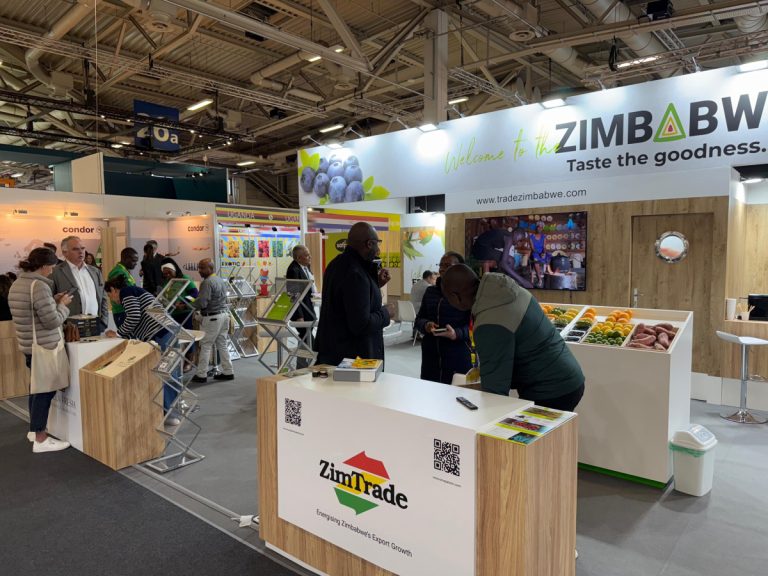
The issue came under the spotlight during a recent business forum hosted by ZimTrade in Windhoek as part of an outward trade mission bringing together Zimbabwean businesses and their Namibian counterparts to explore trade, investment and partnership opportunities.
Speaking during a plenary session following a presentation on Namibia’s trade and investment environment, opportunities for Zimbabwean companies and the general requirements for doing business, Peter Shivute, a board executive responsible for market access and export promotion at the Namibia Investment Promotion and Development Board (NIPDB), said Namibia was closely following Zimbabwe’s efforts to ensure that more value is retained from its mineral resources.
“Namibia needs to learn from Zimbabwe. I have been stressing that. Namibia needs to learn from Zimbabwe. The first country in Africa to say, ‘We are going to beneficiate, particularly our lithium,’ which is part of the battery value chain driving the global adoption of electric vehicles, is Zimbabwe,” he said.
Shivute said Zimbabwe’s policy direction had influenced Namibia’s own approach to mineral beneficiation, particularly in the lithium sector, as African countries increasingly seek to move beyond exporting raw materials.
“Both from a legislative and a policy perspective, the decision to put a moratorium on the exportation of raw lithium from Namibia was because of Zimbabwe. We are saying we need to leverage that experience and technology,” he said.
He added that Zimbabwe’s approach to supporting local businesses and increasing domestic participation in economic activities linked to natural resources offered lessons for countries seeking to capture a greater share of the value generated by their mineral wealth.
“A lot of the support businesses within the indigenisation framework in Zimbabwe are being leveraged as we speak, to be able to keep a lot more value on the land,” Shivute said.
His remarks underscore the growing regional significance of Zimbabwe’s beneficiation agenda, which seeks to ensure that mineral wealth generates opportunities beyond extraction and exports, including industrial development, employment, skills transfer and business growth.
Zimbabwe has restricted the export of lithium ore, requiring the mineral to undergo processing before export, subject to applicable permits. The measures have been strengthened through additional regulations governing lithium mining, processing and exports. The policy objective is to encourage investment in domestic processing capacity and retain a greater share of the mineral’s economic value within the country.
The Government subsequently announced a further measure in June 2025: a ban on lithium concentrate exports effective January 2027, with exports expected to be restricted to lithium sulphates and higher-value products. The move is intended to push the industry further along the processing chain rather than rely primarily on the export of ore and concentrates.
The policy direction reflects the strategic importance of lithium, a critical mineral used in rechargeable batteries for electric vehicles and energy storage systems. As demand for battery materials grows, countries endowed with such resources face an opportunity to build industries around them instead of limiting their participation to mining and the supply of raw materials.
For Zimbabwe, the drive towards value addition and beneficiation is closely linked to President Mnangagwa’s Vision 2030 ambition of transforming the country into an upper-middle-income economy.
Achieving that goal requires more than increasing mineral output and export receipts. It also calls for stronger domestic industries, investment in processing and manufacturing, expanded employment opportunities, improved productivity and greater participation by Zimbabwean businesses in economic activity.
Mining remains central to this ambition because of its contribution to export earnings, investment and government revenue. However, the longer-term benefits will depend partly on how effectively the country converts its mineral endowment into local industrial capacity and sustainable economic opportunities.
Shivute said Zimbabwe’s experience has demonstrated the importance of making difficult policy decisions with a long-term development perspective, particularly where countries risk losing potential economic benefits by exporting their natural resources without sufficient local processing.
“There is a reason why Zimbabwe is doing well from a geopolitical perspective and a gross domestic product perspective today. Tough decisions are made, but this translates and we sometimes also have to have a longer-term vision. That decision was also made in Namibia,” he said.
“We cannot just outsource our mineral resources. Therefore, we need to build those [capabilities] and that is what we have been working on.”
His comments highlight a shared challenge for Zimbabwe and Namibia: how to attract investment and participate in global mineral markets while building the domestic capabilities needed to capture more value from their resources.
The three-day Windhoek trade engagement ended on Friday and provided an opportunity for Zimbabwean companies to explore partnerships with Namibian counterparts in manufacturing, mining services, logistics and other supporting industries.-herald