THE horticulture sector is set for a boost that will improve farmer incomes, reduce post-harvest losses and strengthen climate resilience, following the launch of a US$4 million programme targeting smallholder farmers, women and youth.
The Agroecological Transitions for Horticulture in Arid Zones (ATHAZ) programme will establish three Agroecological Innovation Hubs to test and validate climate-smart practices, develop commercially viable models for crop storage, preservation and value addition and stimulate private-sector participation across the value chain.
Funded by the European Union through its Development Smart Innovation through Research in Agriculture (DeSIRA) programme, and implemented jointly with the International Fund for Agricultural Development (IFAD) and the Government, this initiative delivers practical solutions to improve productivity, reduce risks, increase incomes, and ensure the sustainable use of natural resources.
It will work through the existing Horticulture Enterprise Enhancement Project (HEEP) platform, including farmers, production sites, Village Business Units, Agricultural Producer Groups and coordination structures, to avoid duplication and maximise the value of ongoing investments in irrigation infrastructure, farmer organisation and market-oriented horticulture.
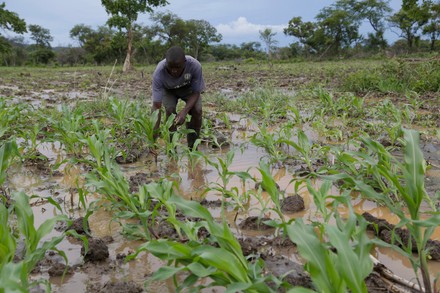
The programme responds directly to challenges confronting farmers such as recurrent droughts and erratic rainfall, declining soil fertility, rising pest and disease pressure, water scarcity, reliance on chemicals, limited access to quality planting material, informal markets, costly certification and overburdened extension services.
In a speech delivered on his behalf by the Director for Strategic Policy Planning, Monitoring and Evaluation, Mrs Mildred Mapani, at the inception workshop recently, Lands, Agriculture, Fisheries, Water and Rural Development Permanent Secretary Professor Obert Jiri said horticulture was a critical pillar of agricultural transformation.
“Our target is to increase horticulture production from 7,6 million tonnes in 2025 to 12,9 million tonnes by 2030, a 70 percent increase.
This is not merely an aspiration; it is a measurable commitment that will require innovation, collaboration and climate-smart approaches,” he said.
Prof Jiri said horticulture was one of the dynamic and high-potential sectors in Zimbabwe’s agricultural economy.
“Our horticulture exports have rebounded from a low of US$20m in the early 2000s to over US$120 million annually since 2023. Blueberry exports alone have surged from US$1 million in 2018 to US$50 million in 2024, a testament to what is possible when we invest strategically,” he said.
He said the sector still faced significant constraints including water scarcity, high pest pressure, reliance on chemicals, weak market linkages and limited access to quality planting material, which ATHAZ was designed to address.
EU Delegation head of cooperation Ms Ania Cichocka said ATHAZ was important in bringing research and innovation closer to farmers, markets and investment.
“ATHAZ comes to Zimbabwe through Development Smart Innovation through Research in Agriculture (DeSIRA), the European Union’s programme for research and innovation in agriculture. Research is most useful when it helps farmers, businesses and public institutions solve practical problems and when successful solutions can be taken to scale. This is particularly relevant for Zimbabwe,” she said.-herald