
Solar installers will need to be licensed by the Zimbabwe Energy Regulatory Authority (ZERA) under sweeping new regulations that also empower the regulator to enforce strict quality checks on solar products and order the destruction of substandard goods at the trader’s expense.
Issued by the Energy and Power Development Minister after consulting ZERA under Statutory Instrument 187 of 2026 (Energy Regulatory (Solar Products and Installation) Regulations, 2026), published on November 20, 2026, the regulations take effect six months after publication.
Over the past few years, persistent grid deficits have driven rapid solar adoption across households and commercial enterprises, with anecdotal evidence suggesting unrecorded off-grid generation—particularly from residential rooftops—now contributes significantly to the national energy mix.
That surge in demand has also triggered an influx of substandard equipment flooding retail outlets across the country. Against this backdrop, regulators have given the sector six months to comply with strict licensing, pre-shipment inspection, safety and warranty standards.
ZERA chief executive Mr Edington Mazambani said the new regulations were meant to ensure that solar products coming into the country are of good quality and conform to stated ratings.
The regulations apply to everyone involved in supplying or installing solar power or solar heating equipment—including importers, makers, distributors, shops, engineers, contractors and installers.
Under the regulations, solar products, ready-to-use solar kits and solar water heaters must meet approved quality and safety standards.
Makers and importers must register their products online through ZERA’s website before selling them.
Each model costs US$10 to register and requires company and product details, warranty terms, test reports, independent approval or verification papers and a pre-shipment Consignment-Based
Conformity Assessment (CBCA) certificate. ZERA must decide on a registration application within 21 days and keep an online list of approved products for the public to check.
Once the six-month grace period ends, it will be a crime to import, make, sell, store, display, give away or even hold unapproved solar goods—or covered solar imports without a CBCA certificate.
Breaking these rules can bring a fine of up to Level 14, up to one year in jail, or both, the regulations say.
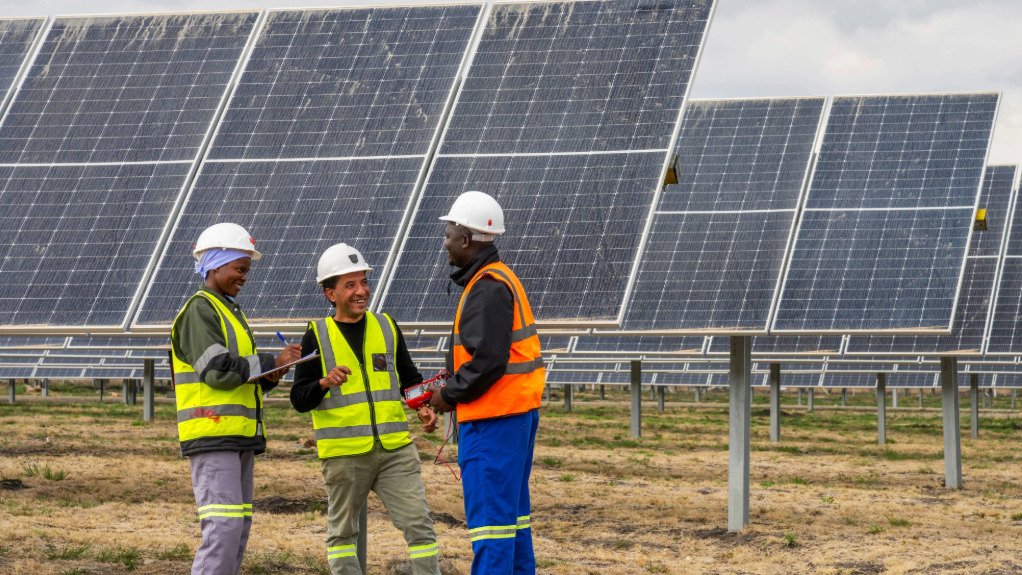
Only installers licensed by ZERA will be allowed to install solar systems, and installing a system without a licence carries a penalty of up to a Level 14 fine, up to one year in prison, or both.
Technicians must apply for licences valid for 24 months across four skill levels, known as ST1 to ST4, and file yearly reports of the systems they install. The skill level a technician receives depends on their schooling, approved solar training, past work or system designs and any test set by ZERA.
All four levels cost US$20 to apply, while the licence or renewal fee is US$10 for ST1, US$15 for ST2, US$20 for ST3 and US$25 for ST4. Installers must also work safely, follow maker instructions and keep separate grounding for the direct current side of a solar setup and the alternating current or grid connection. When a job is finished, the installer must give the customer a signed Completion of Works Certificate and alert both ZERA and the power distributor.
Sellers of solar products will now be required to give buyers minimum warranty periods of at least 10 years on solar panels and at least five years on lithium batteries and solar water heaters. The sellers must also provide at least two years of warranty cover on charge controllers, inverters, small solar lamps and home solar kits, and at least one year on lead-acid batteries.
Paying a fine does not excuse a seller or installer from paying compensation to a customer.
Disagreements between buyers and sellers or installers go to ZERA to be handled under its complaints rules.
ZERA and electricity inspectors can check business and storage sites and seize non-compliant solar items, vehicles or gear used to move or store them, and paper or digital records. Refusing to cooperate with inspections or seizures can bring up to a Level 14 fine, up to one year in prison, or both.
Seized, used or faulty solar goods must be disposed of safely as hazardous waste under environmental rules and international standards. The trader or installer behind substandard goods must pay for destroying them, or face up to a Level 11 fine, up to six months in jail, or both.
Mr Mazambani said ZERA is ready to carry out the mandate, noting that the authority already has testing equipment and has been running tests, but lacked legal enforcement powers until now.
“We have been conducting tests but we could not enforce them in the absence of the law,” he said.
“Now that we have the regulation out, we are going to start enforcing it. However, we have given retailers a six-month grace period.”
Mr Mazambani said curricula at local learning institutions align with ZERA’s ST1 to ST4 competency tiers because the regulators helped develop them. “We influenced the adoption of that training as a certification and had input in the curriculum,” he said.
Energy analysts say the new rules could clear out fly-by-night operators and lift consumer confidence, though compliance costs and technical bottlenecks will test smaller traders and rural installers during the six-month transition.
They note that strict pre-shipment checks, mandatory warranties and installer licensing should curb fire and safety hazards while protecting buyers from under-rated gear.
At the same time, analysts point out that clearing existing stock, securing CBCA certificates and certifying technicians across urban and rural areas before enforcement begins will require tight coordination by ZERA and clear guidance for small businesses.-herald