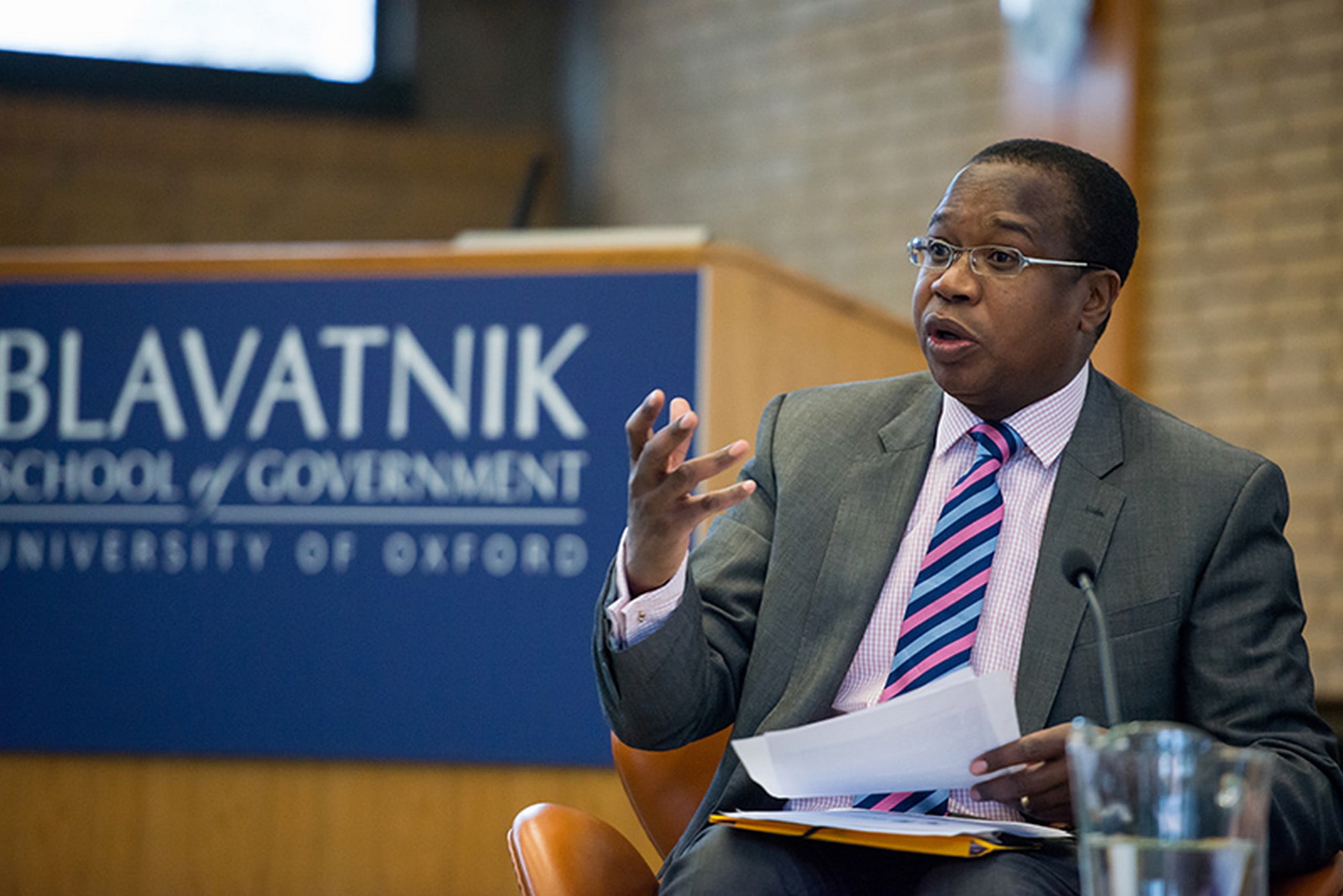
THE National Competitiveness Commission (NCC)’s second National Competitiveness Summit kicked off in Bulawayo today, with regulatory reforms, ease of doing business and measures to improve Zimbabwe’s economic competitiveness expected to dominate discussions.
Vice-President Dr Kembo Mohadi is expected to officially open the summit tomorrow and deliver the keynote address.
Vice-President Mohadi will also officially launch the National Competitiveness Strategy.
This year’s summit is being held under the theme: “Accelerating Regulatory Reforms and Ease of Doing Business for a Dynamic and Competitive Zimbabwean Economy.”
The high-level gathering brings together business leaders, policymakers, investors, entrepreneurs, researchers, development partners, academics, regulatory authorities, civil society, the media and exhibitors.
The summit provides a platform for Government and the private sector to assess progress in implementing reforms, identify bottlenecks affecting business and develop practical measures to strengthen Zimbabwe’s competitiveness.
Delegates will engage policymakers and regional and international experts while exchanging ideas expected to feed into the country’s broader competitiveness agenda.
Among the key issues on the agenda is an assessment of progress made on resolutions adopted at the inaugural 2025 summit, alongside the status of ease-of-doing-business reforms.
Discussions will also focus on macro-economic stability as an anchor for productivity, mining beneficiation and sustainable finance, including green bonds and carbon-credit markets.
Smart regulation for innovation and entrepreneurship, artificial intelligence and digitalisation in industry, as well as lessons from regional and international experiences, will also come under scrutiny.
The summit is expected to move beyond policy discussions and produce practical outputs to guide implementation.
These include an assessment of progress on the 2025 summit resolutions, the 2026 Competitiveness Call to Action, policy briefs and targeted recommendations for institutions, as well as an actionable roadmap for competitiveness and sustainability.
Delegates are also expected to develop recommendations aimed at reducing regulatory and compliance costs and strengthening collaboration among Government, business, academia and development partners.