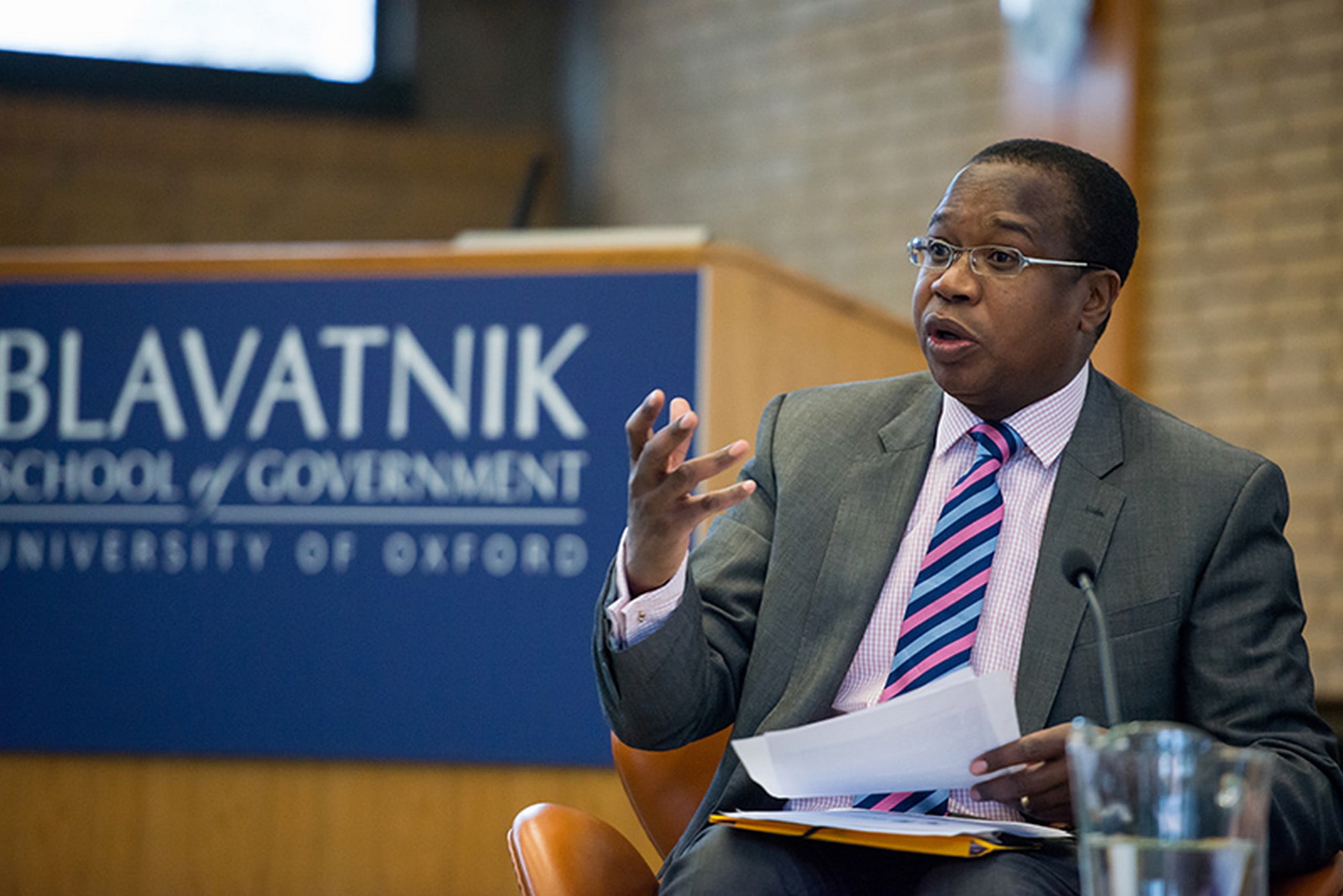
ZIMBABWE is exploring innovative mineral-backed financing arrangements to fund the rehabilitation of the national railway network and other critical infrastructure, Finance, Economic Development and Investment Promotion Minister Mthuli Ncube has said.
Minister Ncube revealed this during a media briefing after engagements with investors and infrastructure companies this afternoon at the World Economic Forum Annual Meeting of New Champions in Dalian, China.
He said discussions with China Railway had focused on upgrading Zimbabwe’s rail infrastructure through resource-linked financing models.
Zimbabwe’s railway system has battled decades of severe operational decline due to limited investment in recapitalising the operation of National Railways of Zimbabwe.
However, the NRZ is undergoing its most aggressive infrastructure overhauls and recapitalisation campaigns in years, although resources remain largely limited.
Notably, though, about 10 percent of the 2 760-kilometre network operates under strict speed restrictions (cautions) due to aging steel sleepers and worn track beds.
Of its 168 locomotives, fewer than half remain in active service.
At its late-1990s peak, the NRZ moved 18 million tonnes of cargo annually. Capacity recently plummeted to roughly 2 million tonnes.
Backed by the sovereign wealth fund, the Government of Zimbabwe is working on a US$400 million recapitalisation and rehabilitation programme.
“I…had conversations with China Rail, who have been keen to support us on the redevelopment and upgrade of our railway network, but also generally want to support us in infrastructure development,” he said.
According to Minister Ncube, the Government is considering resource-linked debt instruments that would combine infrastructure financing with investments in mining projects.
“We spoke to them about resource-linked debt instruments that we want to explore going forward to support our infrastructure development, especially roads and rail,” he said.
Under the proposed model, a financier would help fund rail or road projects while jointly investing with the Government in a mining venture.
Revenues generated from the mine and infrastructure assets would then be used to repay the financing.
“Government could… co-invest in a mine with a company that is extending the loan in the first place,” Minister Ncube said.
The Treasury chief reaffirmed the Government’s commitment to mineral beneficiation, particularly in the lithium sector.
He said companies are required to process lithium locally to higher-value products such as lithium sulphate and lithium carbonate before export, adding that firms, including Prospect Lithium Zimbabwe, were making progress towards meeting beneficiation targets.
The push forms part of Zimbabwe’s broader strategy to maximise value from its mineral wealth while attracting investment into critical infrastructure.
Minister Ncube said the mineral-linked financing proposal was receiving positive attention during discussions with potential investors and infrastructure developers, although talks were still at a preliminary stage and had not yet advanced to specific projects or financing values.
The latest engagements come as the Government intensifies efforts to modernise the country’s transport infrastructure, which is viewed as critical to supporting industrialisation, mining expansion and regional trade.
Minister Ncube used the visit to China to highlight progress being made in mineral beneficiation, which remains a key pillar of the Government’s strategy to maximise value from the country’s natural resources.
He said Zimbabwe’s policy requiring lithium producers to process minerals locally before export was yielding results, with some investors already moving beyond producing concentrates towards higher value products.
“Companies cannot export non beneficiated lithium and they should beneficiate to the level of lithium sulphate and lithium carbonate, which can go directly into battery manufacturing,” he said.-herald