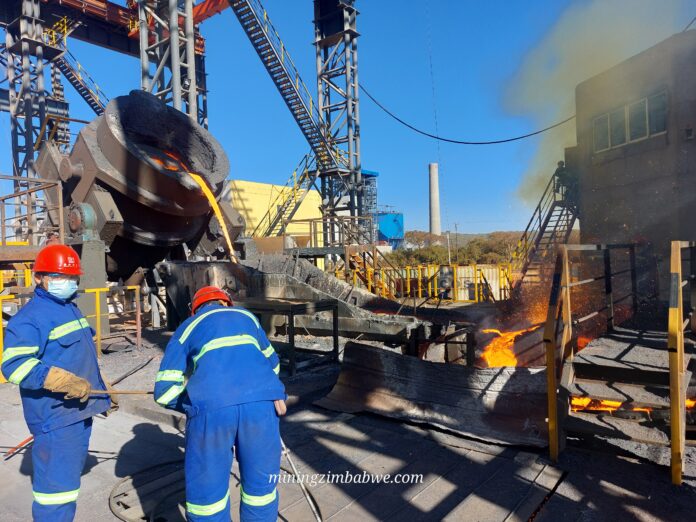
Interview by Evans Mathanda: THE development of the Manhize Steel Company has brought new economic opportunities to Zimbabwe and the wider southern Africa region, but it has also altered the livelihoods of communities that have traditionally depended on agriculture and natural resources. For rural communities, particularly women, land is not only an economic asset but

THE development of the Manhize Steel Company has brought new economic opportunities to Zimbabwe and the wider southern Africa region, but it has also altered the livelihoods of communities that have traditionally depended on agriculture and natural resources.
For rural communities, particularly women, land is not only an economic asset but a fundamental source of food security, income and resilience to climate shocks.
NewsDay journalist Evans Mathanda (ND) spoke to ActionAid Zimbabwe country director Selina Pasirayi (SP) to discuss the implications of the Manhize development for land access, compensation, relocation, women’s livelihoods and climate resilience. Below are excerpts from the interview.
ND: How does ActionAid view the link between land access and climate resilience as Manhize shifts from agriculture to mining?
SP: ActionAid Zimbabwe recognises that while the development brought by the Manhize Steel Company is a welcome catalyst for economic growth, maintaining access to productive land is fundamental to rural households’ climate resilience. Land is central to food security, income and a community’s ability to adapt to climate shocks.

As land use shifts from agriculture to mining, it is important to consider that communities also transition away from traditional farming strategies, indigenous knowledge and crop diversification — key tools that historically help them to cope with droughts, floods and economic stress.
Monthly stipends provided by the company are a valuable support mechanism during this transition. However, to ensure long-term stability, they should be complemented by strategies that create alternative productive assets.
ND: What are the long-term implications for women and youth moving away from agriculture and what alternatives should be prioritised?
SP: For women, farming is not just a livelihood; it is food security, school fees and a voice in household decisions. As women and youth step away from farming, we must acknowledge that their traditional safety nets are shifting.
The transition away from farming means families are losing the ability to grow drought-tolerant small grains, legumes and vegetables — the very crops that build resilience against erratic rainfall. As communities shift to purchasing food, they lose their traditional buffer against climate shocks such as drought.
For youth, this transition cuts off a critical pathway to economic independence. Without access to land for climate-resilient farming or innovation in sustainable agriculture, young people face limited options, such as migration or informal work. To prevent this, the transition must include skills transfer and the creation of decent green jobs.
ND: How critical are reliable water sources and renewable energy to building climate resilience?
SP: Integrating reliable water and renewable energy is absolutely fundamental to building long-term climate resilience. Boreholes reduce dependence on increasingly erratic rainfall, supporting household consumption, livestock and small-scale food production.
Similarly, solar energy powers lighting, communication, education and health services, while creating new livelihood opportunities without relying on costly or polluting fuels.
To ensure long-term success, communities should be active partners in the design, location, ownership and monitoring of these services. Establishing clear timelines, maintenance arrangements and accountability mechanisms will ensure this modern infrastructure remains functional and accessible.
ND: How should compensation frameworks evolve to reflect the long-term value of land and natural resources?
SP: Compensation frameworks must evolve to reflect a holistic, human-rights-based approach to development. They should go beyond the immediate market value of land or crops, accounting instead for the long-term contribution of farmland, fruit trees, water sources and indigenous knowledge to household food security, income generation and climate resilience.
For women, these natural resources provide continuous, diversified benefits over many years. Therefore, compensation models should accurately reflect replacement value, future income streams, inflation, the time required to restore productive livelihoods and the broader social and environmental value of these resources.
A once-off payment is insufficient where a transition permanently alters women’s ability to produce food and withstand future economic or climate shocks.
ND: How important is it that alternative land is fully prepared before communities relocate?
SP: Ensuring that alternative land is fully prepared and capable of supporting sustainable livelihoods before communities relocate is absolutely critical. Governments and mining companies should view resettlement not merely as a housing exercise, but as a comprehensive livelihood-restoration project.
Relocation sites must be fully cleared and ready for immediate use. This includes assessing soil quality, securing reliable and climate-resilient water sources, such as solar-powered boreholes and constructing access roads.
Planning must also include rigorous climate-risk assessment to ensure the new land is not vulnerable to drought, flooding, erosion or declining soil fertility. Relocation should never move a community from one climate risk to another.
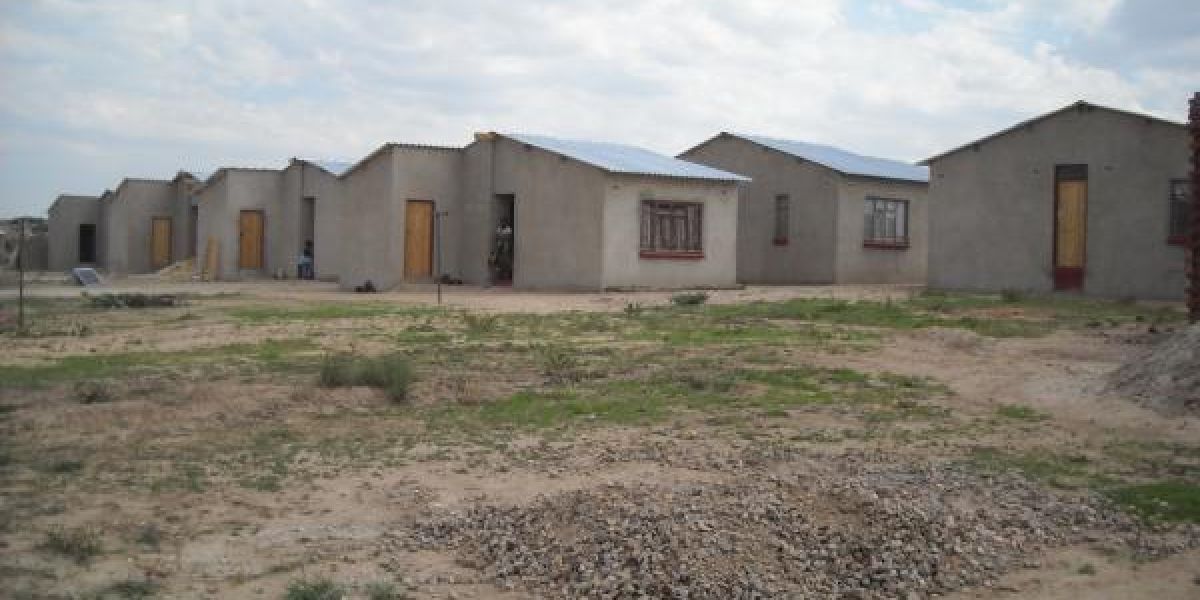
ND: The community recently experienced a destructive storm but says it cannot repair damaged homes because relocation has not taken place. What does this say about climate vulnerability?
SP: This situation demonstrates how unresolved displacement significantly increases communities’ vulnerability to climate-related disasters. When families are uncertain about whether they will remain or be relocated, they may be unable or unwilling to invest in repairing and strengthening their homes.
Governments and mining companies must, therefore, resolve relocation processes promptly and transparently, while ensuring immediate support to repair damaged homes and reduce disaster risks. Planned relocation should never be used as a reason to delay essential assistance.
ND: Would you consider the situation in Manhize a climate justice issue?
SP: Yes, the situation in Manhize is a climate justice issue because communities that have contributed least to the climate crisis are being deprived of the land, water, livelihoods and decision-making power they need to withstand its impacts.
Climate justice requires that the costs of development and the energy transition are not transferred to already vulnerable communities. It demands meaningful participation, protection of land and environmental rights, fair and gender-responsive compensation, restored livelihoods, access to renewable energy and water, and effective accountability on the party of both government and companies.
ND: What policies should Zimbabwe adopt to ensure mining-affected communities become more resilient?
SP: Zimbabwe needs an integrated mining, climate-resilience and community-rights framework that makes the restoration and strengthening of affected communities a legally-enforceable condition of mining investment.
This should include a comprehensive mining-induced displacement and resettlement policy; climate-responsive compensation and livelihood-restoration standards; mandatory climate-risk assessments; stronger protection of agricultural land and community water resources; gender-responsive land, compensation and benefit-sharing policies; enforceable community development and climate-resilience agreements; and independent monitoring, disclosure and access to
remedy.
The central policy test should be whether mining leaves communities with stronger livelihoods, safer housing, reliable water, secure land rights and greater capacity to withstand climate shocks. Mining cannot be regarded as sustainable development where communities lose the productive and natural resources on which their climate resilience depends.
ND: Women in Manhize say they lost fruit trees, wells and productive land. Should these assets receive greater value in environmental and social impact assessments?
SP: Yes. Environmental and social impact assessments should recognise fruit trees, wells, productive land, grazing areas and other natural resources as essential livelihood and climate-resilience assets — not merely as secondary items attached to physical property.
These resources often provide food, income, water, shade, nutrition and protection against drought and economic shocks over many years. Their loss can, therefore, have deeper and longer-lasting consequences than the loss of a structure alone, particularly for women.
ND: What role can civil society organisations such as ActionAid play in helping affected women to recover?
SP: Civil society organisations such as ActionAid can play a critical role in ensuring that displaced women are not treated only as compensation recipients, but as rights holders whose livelihoods, dignity and climate resilience must be fully restored.
ActionAid can support women to organise, document their losses and participate meaningfully in compensation, relocation and livelihood-restoration decisions. Civil society can also provide legal awareness, referral services and support for grievances where compensation is inadequate or commitments are not fulfilled.
The overall objective should be to restore women’s economic independence and ensure that displacement does not leave them more exposed to poverty, food insecurity and future climate shocks.