The Government has accelerated public debt management reforms in 2026 following the release of the 2025 Annual Public Debt Bulletin, which shows that Zimbabwe’s public and publicly guaranteed debt stood at US$21,8 billion at the end of December last year.
According to Treasury, the debt stock was equivalent to 37,4 percent of gross domestic product (GDP), up marginally from US$21,5 billion in 2024. Authorities said the increase largely reflected improved recognition of domestic expenditure arrears rather than significant new borrowing.
The bulletin states that the Government is implementing a series of reforms aimed at lowering borrowing costs, reducing refinancing risks and strengthening fiscal sustainability as part of the country’s Arrears Clearance and Debt Resolution Roadmap.
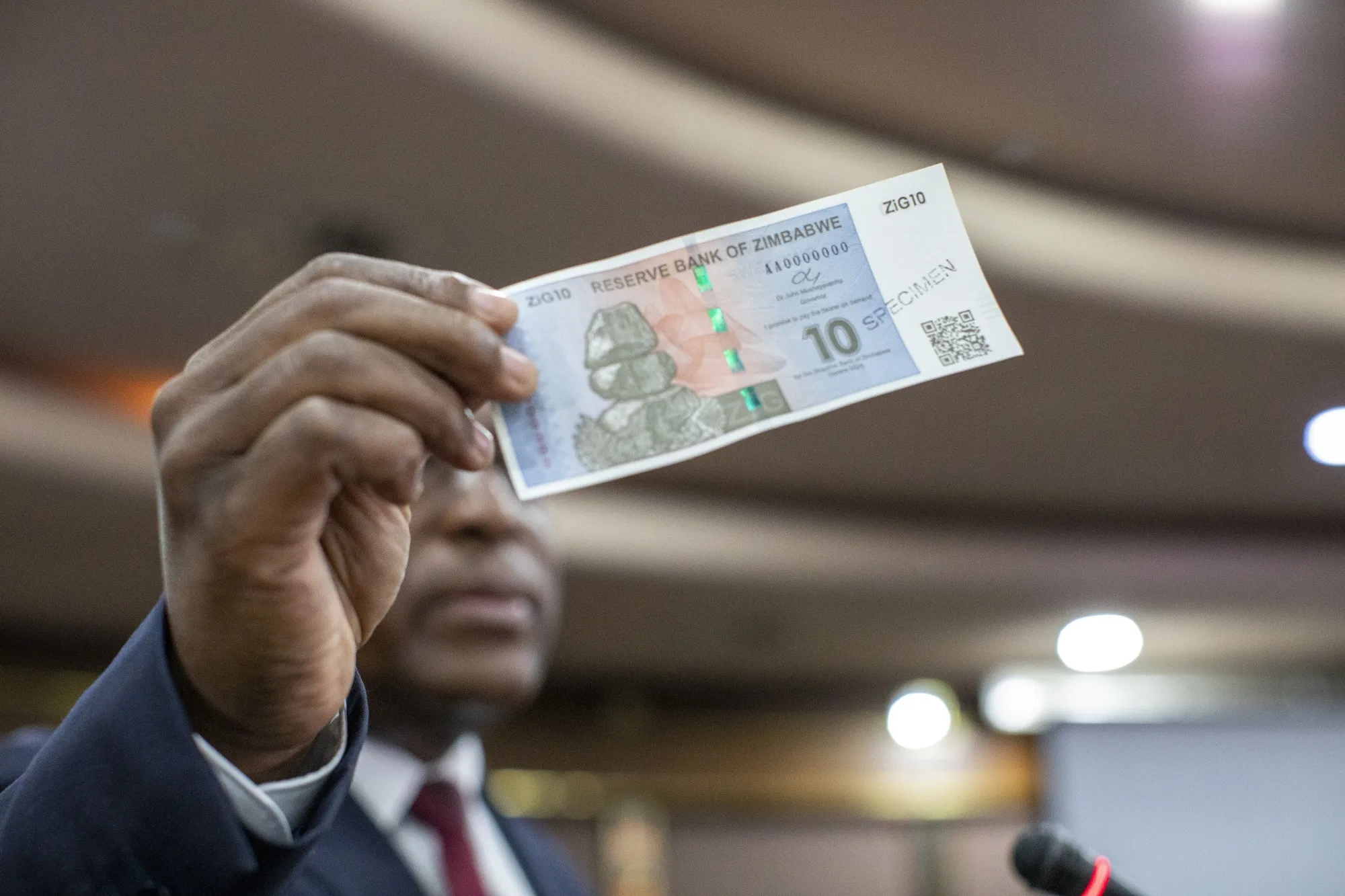
Measures include reintroducing competitive Treasury Bill auctions, lengthening the maturity profile of domestic debt, issuing more ZiG-denominated securities, and exploring alternative financing instruments such as diaspora bonds, asset recycling and public-private partnerships.
Economic analyst Gladys Shumbambiri-Mutsopotsi said the focus should be on improving debt management rather than on the size of the debt stock.
“Debt, on its own, is not necessarily a problem. What matters is whether it remains sustainable, whether borrowed resources are channelled towards productive investments, and whether the Government has the capacity to meet its obligations without compromising macroeconomic stability,” she said.
She added that improved debt reporting and transparency would strengthen policy credibility and boost investor confidence.
The bulletin shows that external debt accounted for about 54 percent of total public debt, while domestic debt represented 46 percent. Treasury estimates total arrears at about US$10,3 billion, comprising US$8,1 billion in external arrears and US$2,1 billion in domestic arrears.
Economic analyst Namatai Maeresera said the reforms signalled a shift towards proactive debt management.
“Lengthening debt maturities, diversifying financing instruments and strengthening domestic capital markets all reduce refinancing risks over time,” he said.
The Government is continuing to engage bilateral and multilateral creditors under the Arrears Clearance and Debt Resolution Process as it seeks to restore access to concessional financing and strengthen long-term fiscal sustainability.-heralf