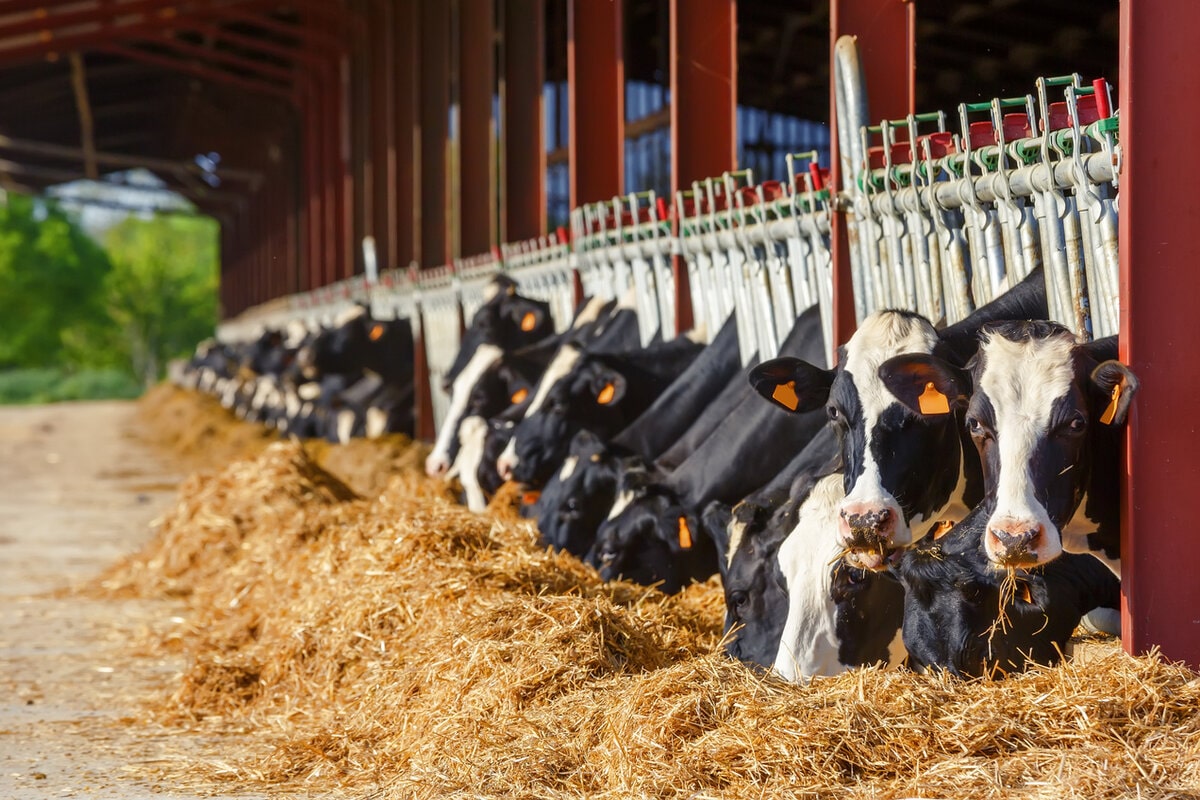
A LIVESTOCK management training programme targeting farmers in Makoni District has equipped 140 participants with practical skills to improve animal health, boost productivity and enhance household incomes.
The training programme equipped farmers with practical skills in livestock nutrition, disease prevention and control, breeding, housing and general herd management.
Participants were also encouraged to adopt modern production techniques to reduce losses and improve the quality of their livestock.
The programme covered key areas such as vaccination, proper feeding practices, record keeping and timely veterinary interventions to minimise disease outbreaks and increase productivity.
Manicaland Provincial Affairs and Devolution Minister, Advocate Misheck Mugadza, said improved livestock management was critical in enhancing productivity and building resilience among smallholder farmers.
He urged farmers to apply the knowledge gained to improve the health and performance of their livestock.
“Livestock production has a key role in the social, cultural and economic environment of our country,” he said.
“National Development Strategy 2 prioritises animal health and production through strengthening farmer knowledge and skills in livestock health and production so as to enhance productivity.
“As at June 2026 the country had 5,7 million, Manicaland Province 639 789 and Makoni District 173 530 cattle. The livestock condition is fair to good depending on the area due to declining pasture quality and quantity.”
Adv Mugadza said farmer training improves skills and knowledge, helps them mitigate weather-related shocks, enables them to improve productivity, smoothens their income all-year round, increase profitability, ensure food security and poverty alleviation.
Some of the participating farmers welcomed the initiative, saying it had enhanced their understanding of best livestock management practices.
Mrs Edith Makoni of St Faith’s area said the training had equipped farmers with practical skills that would improve productivity and profitability.
“The training was an eye opener for me and other farmers as we acquired vital livestock management skills,” she said.
“We are going to adopt all that we learnt into practice so that we improve the way we are doing business. Poultry farmers used to experience a lot of mortality cases and some had to stop broiler and egg production due to losses.
“We were keeping cattle and goats for the sake of pride, but we have been trained on pen fattening and market timing so that we get the best out of our products,” she said.
Livestock production remains a key source of income and food security for many households in Makoni District, making capacity-building initiatives an important component of efforts to strengthen rural livelihoods.
Similar training programmes are expected to be rolled out in other communities to ensure more farmers have access to knowledge and skills that promote sustainable livestock production.-herald