THE government is considering a further reduction in the Intermediated Money Transfer Tax (IMTT), a move that could lower the cost of digital payments.
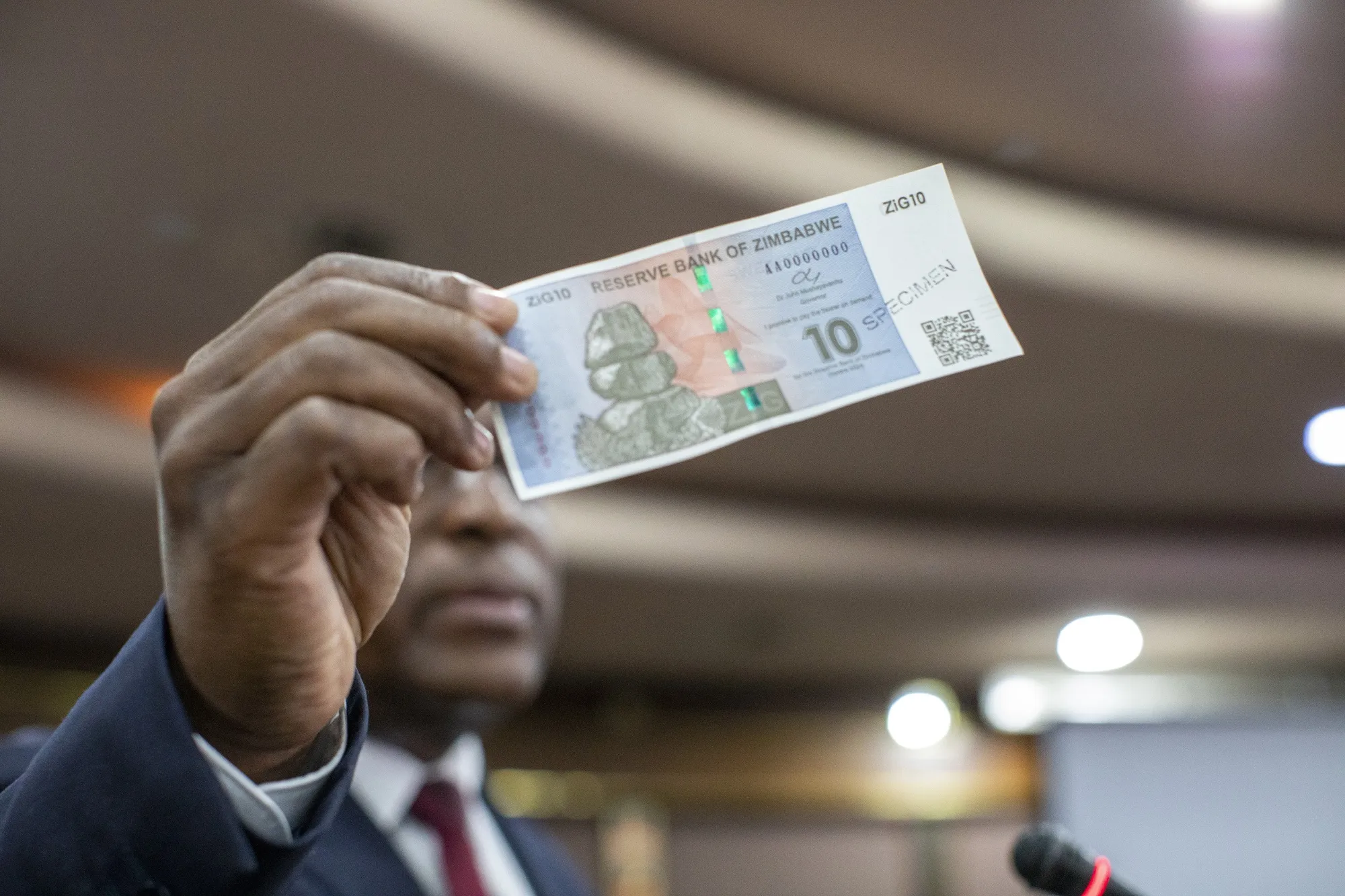
Treasury data shows the Zimbabwe Gold (ZiG)-backed payment system has continued to grow, with 43% of all transactions processed through the national payments platform by August this year settled in ZiG.
In January, authorities reduced the IMTT rate on ZiG transactions from 2% to 1.5%, while payments made in foreign currency continue to attract the 2% levy.
Follow us on WhatsApp | LinkedIn for the latest headlines
The tax, first introduced in October 2018, was among several economic resolutions adopted at last year’s ZANU PF Annual National People’s Conference in Mutare. The measures were aimed at encouraging formal banking, reducing transaction costs and promoting ZiG use in everyday transactions, while supporting financial inclusion and monetary stability.
Addressing delegates at the 23rd ZANU PF Annual National People’s Conference in Chinhoyi last week, Finance, Economic Development and Investment Promotion Minister Professor Mthuli Ncube said the Government was exploring alternative revenue streams to offset potential losses from a further reduction in IMTT.
Ncube said banks had complied with earlier directives to reduce charges, adding that the tax-deductible nature of IMTT meant the effective burden on companies was lower than the headline rates.
“Currently, consideration is in progress to further reduce IMTT while identifying alternative revenue sources that can close the revenue gap,” he said.
Treasury data indicates that more than 70% of IMTT collections have been earmarked for infrastructure, health, education and social protection programmes, in line with the Government’s pledge to ring-fence the funds for service delivery.
Ncube also said the Financial Intelligence Unit (FIU) would maintain close surveillance of the financial system to curb practices contributing to inflation and exchange rate volatility.
He said the FIU had been analysing transactions to identify illicit foreign currency trading, corruption and other financial crimes.
Ncube revealed that 13 companies were penalised for illegal foreign currency dealings between April and June 2026 after a whistleblower alerted the FIU.
He added that contractors and other recipients of Government payments were also being monitored to ensure the funds were not diverted to the parallel market.
Read the original article on New Zimbabwe.