FOR Grace Dudzai Musa, farming is not simply a business venture. It is a calling.
Every greenhouse she builds, every crop she plants and every mushroom room she expands is driven by a conviction that agriculture is about more than making money — it is about feeding people.
That conviction has helped the Melfort-based agripreneur to build a thriving horticultural enterprise and recently earned her national recognition when she scooped the Women in Agribusiness Leadership Award at the Agribusiness Excellence Awards 2026 held in Harare.
The awards, organised by the Global Agribusiness Professionals Institute under the theme Celebrating Excellence, Inspiring Impact, celebrate visionary leaders who are driving innovation, empowering communities and transforming the future of agribusiness.
Yet, despite the recognition, Musa remains focused on a challenge she believes continues to hold back many women in agriculture: access to finance.
“As women farmers, we want our efforts to be fully supported. Access to affordable and adequate financing is one of the biggest challenges facing women in agriculture. Sometimes we need substantial funding to scale up our projects, but we do not have the collateral required by financial institutions,” she says.
Advertisements
“Funders should appreciate the work already being done on the ground by women in agriculture and support projects that have demonstrated potential and continuity.”
Her remarks speak to a reality faced by many women farmers across Zimbabwe. While women are increasingly active throughout the agricultural value chain, many continue to encounter barriers in accessing capital, acquiring land and securing positions of influence within the sector.
Keep Reading
Musa: The woman cultivating a green revolution in Melfort
Why Grace Musa believes women farmers matter
For Musa, addressing those challenges is not just about fairness. It is about unlocking the full potential of Zimbabwe’s agricultural economy.
“As Zimbabwe continues to modernise and strengthen its agricultural sector, we must be given opportunities to participate and contribute our ideas within the agricultural value chain,” she says.
“We have thoughts and solutions that can complement existing efforts and produce strong results. We need platforms where we can be heard and listened to.”
Her own journey demonstrates what can be achieved when determination meets opportunity.
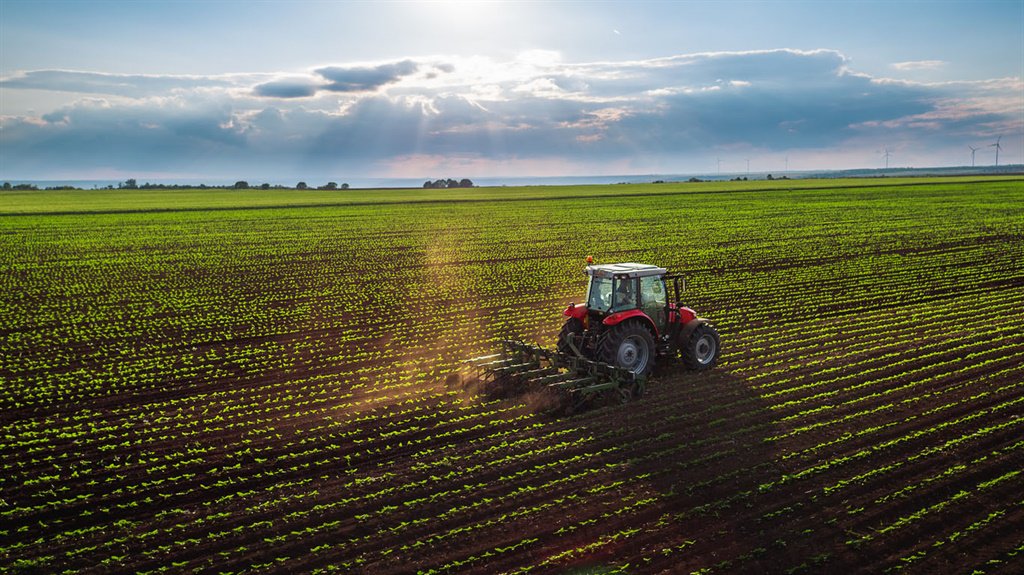
On more than 13 hectares of farmland, Musa developed a diversified operation that combines greenhouse production with open-field horticulture.
Three hectares are dedicated to greenhouse crops, producing cucumbers, tomatoes and peppers, while the open fields yield leafy vegetables such as covo, spinach and tsunga, alongside lettuce, carrots and other produce.
The enterprise has also established a significant mushroom-growing operation, with 12 rooms producing button mushrooms and six dedicated to oyster mushrooms.
Growth remains firmly on the agenda.
An additional 14 hectares is under development, with plans to increase production of watermelons, butternuts, potatoes and other high-value crops.
The scale of the operation reflects years of hard work and persistence, qualities Musa believes are essential for success in agriculture.
Reflecting on her award, she says the recognition has strengthened her resolve to continue pushing boundaries.
“This award represents more than personal achievement. It has professionally fuelled my energy because it shows that my efforts are being recognised. It gives me confidence that the future will be bright if I continue working hard,” she says.
“The recognition, which is a testimony to the power of faith, resilience and consistency, has taught me the power of waiting, doing the right things and remaining faithful in your post of duty because God’s time always arrives.”
While many entrepreneurs are motivated primarily by profit, Musa views agriculture through a different lens.
“My journey into agriculture is rooted in a sense of purpose rather than financial gain. As we get into entrepreneurship, there is a difference between loving money and creating value. For me, farming is about understanding that people must eat,” she says.
“I am not pushed or forced to go into the fields. I go because I understand that feeding people is a need. That is why I say farming is in my DNA and is my calling.”
It is a philosophy that has guided her throughout her career and shaped her ambitions for the future.
Her inspiration comes from South African agricultural giant ZZ2, one of the continent’s largest fresh produce companies and a leading tomato producer.
“In horticulture, my biggest inspiration is ZZ2. It is not only feeding South Africa, but Africa. That is where I see myself in the future, farming large estates of tomatoes and horticultural crops and making a significant contribution to food security,” she says.
The dream is ambitious, but Musa believes every success story begins with a single step.
That is the message she shares with aspiring female farmers seeking to establish themselves in the sector.
“If you feel it in your heart, if you have the drive and your vision is clear, start small. Understand the trends, understand what the market requires and what your community needs,” she says.
“Feed the people in your lane first and understand the statistics, resources and opportunities available. Eventually, that journey will take you to a place where no one can stop you.”
Despite her growing profile, Musa remains guided by a leadership philosophy rooted in humility and continuous learning.
“The main leadership principle that guides me is obedience. There are people above us, people beside us and people below us. We must learn from all of them,” she says.
“When you listen and understand those around you, there is continuity and growth.”
As Zimbabwe seeks to modernise its agricultural sector and strengthen food security, entrepreneurs like Musa are proving that innovation, resilience and purpose can produce results far beyond the farm gate.
For the award-winning agripreneur, however, the journey is far from over. The fields continue to expand, the ambitions continue to grow and the mission remains unchanged — feeding people while creating opportunities for the next generation of women in agriculture.-newsday