The 2026 sesame marketing season has commenced, with buyers offering prices ranging between US$0,60 and US$0,90 per kilogramme. This comes after the industry held stakeholder meetings in sesame-producing areas to outline buying modalities and anti-smuggling mechanisms to be implemented in partnership with the Zimbabwe Republic Police (ZRP) and Rural District Councils (RDCs) to reduce side marketing.
The Agricultural Marketing Authority (AMA) market update report dated May 11 revealed measures were being taken to curb side marketing.
AMA organised the Sesame Indaba last year to address challenges in the sector, such as unlawful contracting, side marketing, limited certified seed and weak research investment, insufficient financing, weak traceability and export documentation and lack of infrastructure for value-addition and aggregation.
Last year, the Government published the Agricultural Marketing Authority (Regulatory Circular on the Sesame Production and Marketing Modalities) Regulatory Circular Number 1 of 2025, which applies to all registered sesame contractors, traders, processors and growers.
AMA said a better 2025 agricultural season and improved regulation by the authority limited the smuggling of the product and drove an increase in export of the crop through the formal channel.
Sesame prices are market-driven and most buyers are price takers.
“This underscores the need to pursue the China protocol to enable direct exports. Fast-tracking of the China trade protocol will directly accelerate the growth of this sub-sector,” said AMA.
The Chinese market is lucrative, but currently, there is no Zimbabwe/China sesame trade protocol.
Sesame marketing runs from May to September.
According to the second Crop, Livestock and Fisheries Assessment 2 (CLAFA 2) report, sesame production is expected to rise 42 percent to 29 252 tonnes this year from 20 667 last year.
Sesame farming grew 264 percent from 17 110 hectares in the 2018/19 season to 62 259 in the 2024/25 season.
Statistics from the Zimbabwe National Statistics Agency (ZimStats) show the country earned US$3 835 891 from sesame exports last year, from US$1 524 766 in 2024, registering an increase of 152 percent.
In volume terms, sesame production rose 188 percent from 1,3 million kilogrammes to 3,8 million kilogrammes.
The average price, however, declined 13 percent from US$1,17 to US$1,02 per kilogramme.
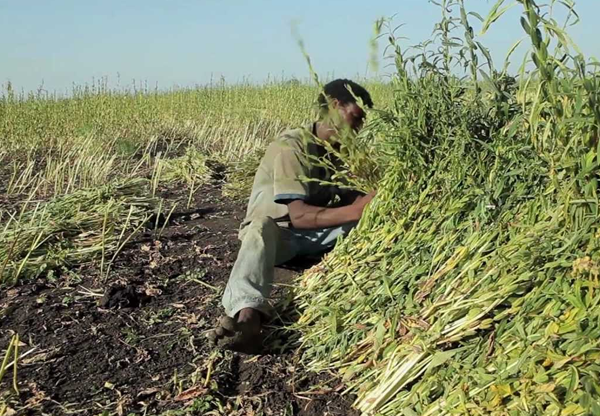
Sesame is a small, seed-bearing plant that is widely grown in the country’s small-scale farming sector, especially in low-lying areas with high temperatures.
The crop is primarily grown for its seeds, which are used in various industries, including food, pharmaceuticals and cosmetics.
Sesame seeds are used for several purposes, primarily as a culinary ingredient to add flavour and texture to dishes and as a source of nutrients and health benefits.
The seeds can be eaten whole, ground, or toasted and are often used in baking, stir-fries, salads and various other recipes.
Additionally, sesame oil is extracted from the seeds and used in cooking and some traditional remedies.
Contractors are advocating expanded cultivation to meet the robust demand from international markets, including Turkey, India and China.
Sesame is increasingly recognised as a key export commodity with the potential to generate substantial foreign currency for Zimbabwe.
The crop’s appeal is further enhanced by its low input costs and minimal need for chemical treatments, making it an attractive option for agricultural expansion, with some financial institutions funding its production.-herald