“The MPC’s decision to reduce the Bank Policy rate does not entail easing monetary policy at this stage, but a realignment of the Policy Rate to the structural shift in inflation dynamics,” Governor Dr John Mushayavanhu said in the MPC’s post-meeting statement.
THE Reserve Bank of Zimbabwe’s decision to slash the Bank Policy Rate by 5 percentage points, from 35 percent to 30 percent, signals a structural shift in inflation and growing confidence in the domestic currency.
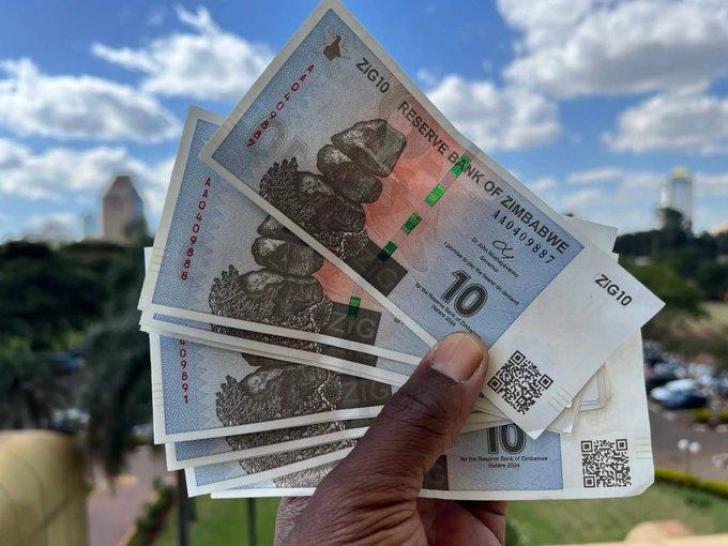
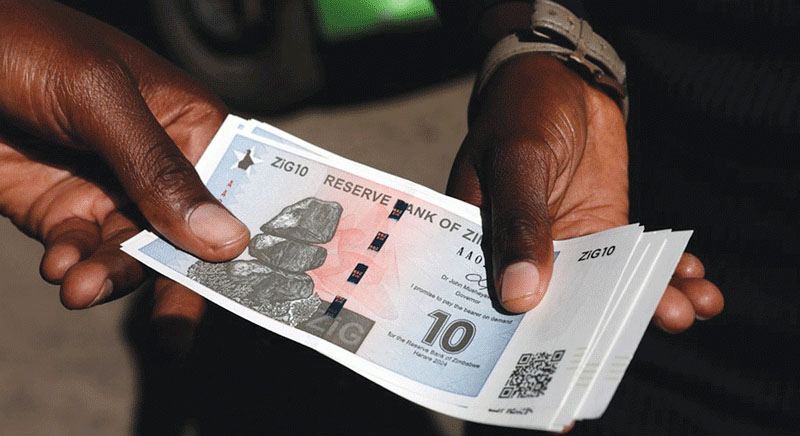
The cut marked the first such interest rate reduction since the apex bank introduced the ZiG currency in April 2024, following a long battle to stabilise the previous local currency, the Zimbabwe dollar.
The Bank Policy Rate was raised to 35 percent from 20 percent in September 2024, as part of the monetary policy tools deployed to keep the ZiG stable, following a 43 percent devaluation of the currency.
The bank policy rate (or benchmark interest rate) is the primary tool central banks globally use to steer their national economies, manage inflation and influence monetary policy.
By setting this baseline rate, a central bank dictates the minimum cost at which commercial banks can borrow or lend funds.
The central bank’s Monetary Policy Committee (MPC), which met on June 15, 2026, decided to cut the benchmark rate, citing a decisive structural break in inflation dynamics.
Zimbabwe’s annual inflation rate has declined from a peak of 95.8 percent in July 2025 to below 5 percent every month since its drop to a record low in January this year.
After dropping to a three-decade low of 4.1 percent in January, the rate increased to a 2026 high of 4.8 percent in April, amid cost pressures from the Middle East war and global economic uncertainties, and went down to 4.4 percent in May 2026.
“The MPC’s decision to reduce the Bank Policy rate does not entail easing monetary policy at this stage, but a realignment of the Policy Rate to the structural shift in inflation dynamics,” Governor Dr John Mushayavanhu said in the MPC’s post-meeting statement.
“Going forward, the MPC will continue to calibrate the monetary policy stance on a meeting-by-meeting basis, based on the evolution of macroeconomic fundamentals.
“The bank remains vigilant to emerging risks and stands ready to make appropriate policy decisions to support the country’s inflation and growth objectives”, Dr Mushayavanhu said in what is a reminder that Monday’s cut reflects a measured approach to the future direction.
Alongside the bank policy rate cut, the MPC reduced the interest rate on the Targeted Finance Facility (TFF), a concessional lending window designed to channel affordable credit to key productive sectors.
The TFF interest rate has been cut from 20 percent to 15 percent, a proportional 500bps (5 percentage points) reduction, mirroring the benchmark policy rate move.
Critically, the RBZ capped banks’ on-lending rates to the productive sector at an all-inclusive rate of 25 percent, providing a concrete ceiling on what businesses will actually pay to access funds.
The TFF has been a key plank of the RBZ’s supply-side support strategy, channelling lower-cost funding to agriculture, manufacturing, and export-oriented industries.
At 15 percent, the facility becomes meaningfully more attractive to productive sector borrowers who have faced an acute credit squeeze in the high-rate environment for the past two years.
Mr Malone Gwadu, an economist, said the rate cut demonstrated that the central bank was finally responding to what has been a persistent cry from industry over the punishing cost of credit.
“The central bank is listening to industry concerns, particularly with the cost of credit for industry, which has been a loud cry from the market,” he said.
He argued that with inflation now tamed and the exchange rate premium between the official and parallel markets within internationally accepted thresholds, the policy focus must evolve.
“There is no time to move for policy to move beyond just stability to sustainable economic growth and development,” Mr Gwadu said.
“The key to that is affordable credit that doesn’t pose a threat to the stability that has been achieved so far.”
While welcoming the 5 percentage point (500 basis points) reduction, he urged caution.
“It is a step in the right direction, but cautiously, in the sense that we don’t want to do it in a way that jeopardises the pain that has been enjoyed so far,” he said.
Another economist, Mr Enoch Rukarwa, described the decision as a confidence signal from monetary authorities.
“The rate cut is a welcoming development and it is a vote of confidence by the authorities in the developments that we have observed in the foreign exchange market and also on the inflation side of things,” he said.
He drew attention to the relief the cut would bring to ordinary workers.
“The bulk of participants who have been taking ZiG loans from banks at these rates have been your civil servants and workers within the formal employment,” Mr Rukarwa said.
“A cut from 35 percent to 30 percent will create some money in liquidity on their residual income and also an expenditure burden.”
Mr Dion Takawira, an investment analyst, said the move carried a clear message from the RBZ to markets.
“The RBZ’s decision to cut the interest rate from 35 percent to 30 percent signals growing confidence that inflation and exchange rate stability are being maintained under the current monetary framework,” he said.
He noted the practical benefits for both businesses and individuals, but was careful to temper expectations.
“For businesses, the cut should gradually lower borrowing costs, improve access to credit, and support investment and expansion, while individuals may benefit from slightly cheaper loans, although savings rates are likely to decline,” Mr Takawira said.
However, he cautioned that the work was far from done.
“Despite the reduction, monetary policy remains highly restrictive in real terms, indicating that the RBZ is still prioritising price and currency stability,” Mr Takawira said.
“Sustaining the gains would depend on continued exchange rate stability, prudent credit growth and strong fiscal discipline from the Government.”
Statutory reserve requirements were left unchanged, at 30 percent for demand deposits and 15 percent for savings and time deposits across both local and foreign currency accounts.
GDP growth is projected at 5 percent for 2026, from 8.2 percent in 2025, a conservative figure in light of disruptions to global supply chain logistics stemming from ongoing Middle East tensions.
The MPC expressed measured optimism that the US-Iran peace deal, which has pushed Brent crude prices lower, would provide an additional disinflationary tailwind.
The MPC also noted early traction on the newly launched ZiG Denominated Term Deposit Facility (ZiGDTDF), which drew ZiG367.2 million at the 90-day tenor and ZiG110 million at 30-days, at yields of 11 percent and 8 percent, respectively.
The committee expects that the instruments will anchor minimum savings rates and deepen domestic capital markets under the National Development Strategy 2 framework.-herald