ZIMBABWE stands at a critical moment in its development journey, needing stronger partnerships between the public sector, private capital markets, development finance institutions, and entrepreneurs, too achieve Vision 2030.Zimbabwe Economic Reports
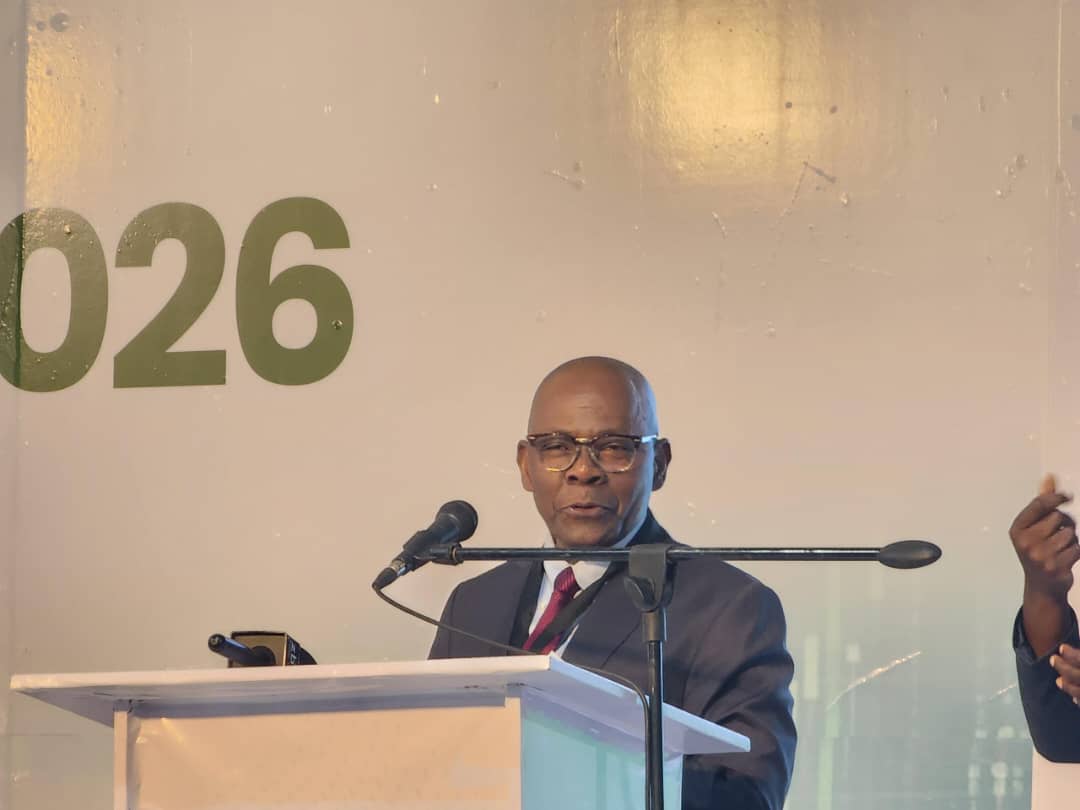
Speaking at the Zimbabwe Impact Investment dialogue held on the sidelines of the Zimbabwe International Trade Fair on Tuesday, Reserve Bank of Zimbabwe Deputy Governor Dr Innocent Matshe said public resources alone will not be sufficient to finance the scale of transformation required as the country pursues its agenda of attaining an upper middle income economy by 2030.
Dr Matshe said the dialogue was not meant simply to attract any capital but instead it was meant to attract the right kind of capital that is patient, purposeful, aligned with Zimbabwe’s development priorities and that achieves development impacts.
“From the perspective of the RBZ, impact investment is highly relevant because it sits at the intersection of three priorities: Financial sector deepening; broadening the range of instruments, investors, and financing solutions available in our market.
“Productive investment which means directing capital toward sectors that generate jobs, exports, productivity, and resilience as well as Macroeconomic stability and confidence creating credible investment channels that support sustainable growth,” said Dr Matshe.
He said capital that targets both financial returns and measurable development outcomes can help strengthen sectors such as renewable energy, agriculture, infrastructure, Small and Medium Enterprises (SMEs), housing and climate resilience.
No investor, said Dr Matshe, impact-oriented or otherwise, will commit long-term capital into an economy where the value of that capital is uncertain.
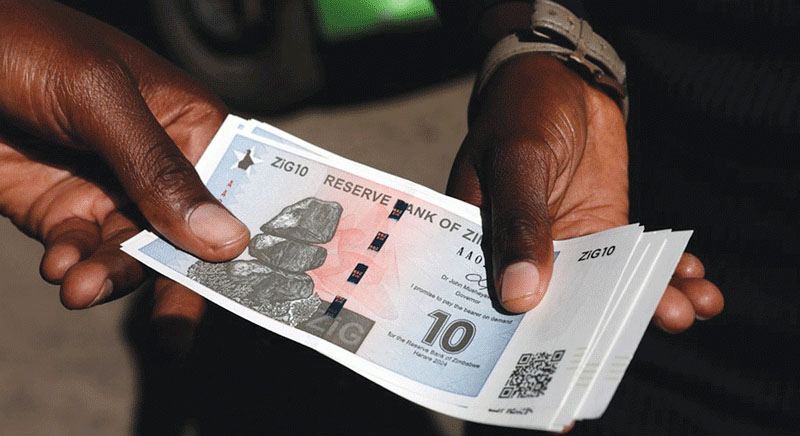
“The RBZ’s work on monetary and exchange rate stability is therefore a precondition, not just a background condition, for the ambitions we are discussing today. Over the past two years, Zimbabwe has made significant strides in this area. The introduction of the Zimbabwe Gold (ZiG) currency represents a structural commitment to anchoring monetary policy in hard assets, a framework designed precisely to provide the kind of predictability that long-horizon investors require,” said Dr Matshe, adding that the financial sector must be a conduit, not a barrier.-herald