NEW investments in Bulawayo’s manufacturing sector have surpassed US$100 million in the past two years, with capacity utilisation rising to 51,2 percent as new industrial projects signal renewed confidence in the city’s manufacturing base.
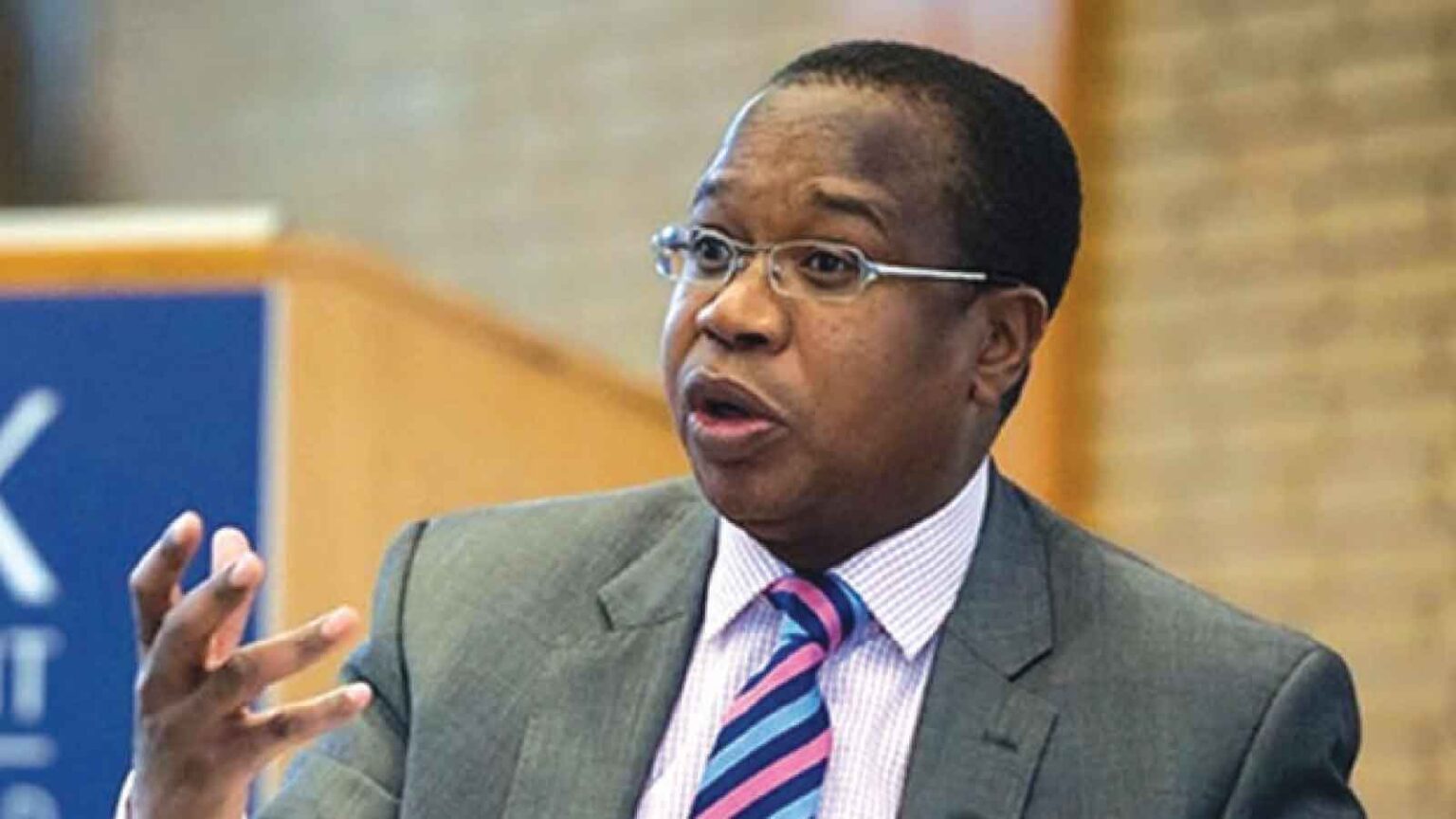
Industry and Commerce Minister Nqobizitha Mangaliso Ndlovu said the improvement in industrial performance reflected steady progress in Bulawayo’s revival, although significant spare capacity remained across the sector.
Speaking during the 2027 Pre-Budget Seminar in Bulawayo, the minister said capacity utilisation had increased from 45 percent in 2024 to 51,2 percent between 2025 and July 2026.
“Bulawayo, while it can do better, we are seeing steady progress. Capacity utilisation in 2024 in Bulawayo was sitting at 45 percent.
“The report we have is that from the 2025 forecast to July 2026, capacity utilisation is now sitting at 51,2 percent. It’s still almost half the capacity, but we are seeing progress,” he said.
The improvement comes as Bulawayo seeks to reclaim its position as one of Zimbabwe’s major industrial centres, with fresh investments expected to support manufacturing activity, employment creation and economic growth.
Minister Ndlovu said the investments recorded in the past two years were not primarily focused on resuscitating old factories, but represented new capital entering the city’s manufacturing sector.
“In the last two years alone, investment in the manufacturing sector here in Bulawayo has surpassed US$100 million. Several companies are coming to Bulawayo. These are not reviving old factories, but these are new investments coming here,” he said.
The developments point to renewed investor interest in Bulawayo’s industrial economy, which has historically been anchored by manufacturing activities spanning engineering, metal fabrication, textiles, food processing and other value-added industries.
The city has, however, faced industrial decline over the years, with factory closures, reduced production and underutilised industrial infrastructure undermining its traditional manufacturing base.
The current investment drive offers an opportunity to rebuild industrial capacity, although sustained recovery will depend on the ability of manufacturers to secure markets, access affordable financing and reliable utilities while strengthening domestic supply chains.
A key priority for the Government is to improve linkages between Bulawayo’s manufacturing industries and the country’s emerging steel production capacity at Manhize.
Minister Ndlovu said the foundry industry in Bulawayo had potential to benefit from closer cooperation with the Manhize Steel Plant, which could provide opportunities for local manufacturers to access raw materials and expand production.
“Where we have a challenge is to deepen the linkage between the foundry sector of Bulawayo and Manhize Steel Plant.
“I had a tour of Manhize with the foundry industry of Bulawayo two months ago, and they are already working on areas of strategic cooperation. So we are working on making sure that these are strengthened,” he said.
The proposed cooperation could support the development of a stronger domestic metal-processing value chain, enabling local foundries to manufacture products and components for mining, construction, agriculture and other productive sectors.
Stronger linkages between steel production and downstream manufacturing would also help retain more value within the domestic economy while reducing reliance on imported industrial products.
The Government has identified industrialisation and value addition as key pillars of economic transformation, with the manufacturing sector expected to play a central role in creating jobs, increasing exports and broadening the country’s productive base.
The combination of new investments, rising capacity utilisation and potential access to locally produced steel presents an opportunity to accelerate the city’s industrial recovery.
However, the minister’s figures indicate that the sector remains far from operating at full capacity, underscoring the need for continued investment and policies that support production, competitiveness and deeper industrial integration.-herald