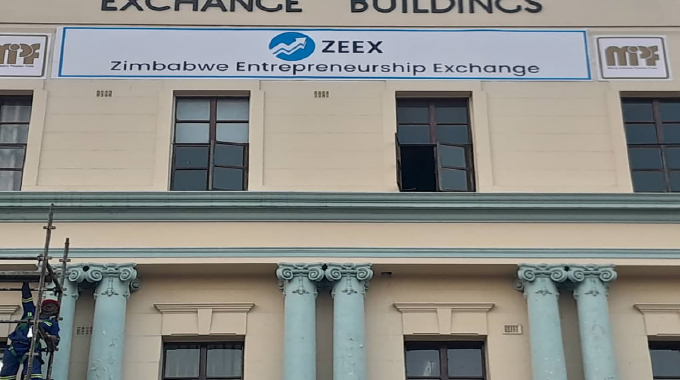
FOR many entrepreneurs, the biggest challenge is not finding a good business idea. It is finding the capital to turn that idea into a growing enterprise. The Zimbabwe Entrepreneurship Exchange (ZEEX) was created to bridge that gap by connecting businesses with investors through a regulated marketplace.
But unlike applying for a bank loan, raising capital on ZEEX follows a structured investment process designed to prepare businesses before they meet potential investors.
So, what happens after an entrepreneur decides to use ZEEX?
Step 1: Decide which capital-raising route fits your business
Before approaching investors, entrepreneurs must determine how they want to raise capital.
ZEEX has been built around three main financing pathways, recognising that businesses have different funding needs at different stages of their growth.
Private Markets are designed for businesses that want to raise capital without becoming publicly listed.
Entrepreneurs can raise funds through structured private placements, allowing them to access investors while remaining privately owned.
For example, a food processing company seeking US$300 000 to buy new machinery may decide to raise capital from a select group of investors rather than offer shares to the public.
Invoice Discounting is aimed at businesses that already have customers, but are waiting to be paid.
Instead of waiting 30, 60 or even 90 days for invoices to be settled, suppliers can convert unpaid invoices into immediate working capital by selling or pledging them to investors or financiers on the platform.
For instance, a furniture manufacturer that supplies office desks worth US$50 000 to a supermarket chain could use invoice discounting to access most of that money immediately, allowing it to pay employees, buy raw materials and fulfil new orders while waiting for the customer to settle the invoice.
Lastly, there are the Public Markets intended for businesses that are ready to raise capital through a public listing.
Companies issue securities to a broader pool of retail and institutional investors and, once listed, their securities can be traded in the secondary market.
A technology company looking to expand into regional markets, for example, may choose this route to raise several million dollars from a wide range of investors while building its public profile.
Step 2: Appoint a sponsor
Once an entrepreneur has chosen the appropriate route, the next step is appointing a Sponsor.
Sponsors are licensed advisory firms accredited by ZEEX to originate, structure and package investment opportunities before they are introduced to the market.
“When you come onto the platform, you need a sponsor,” ZSE Holdings chief executive officer Justin Bgoni said.
Their role extends well beyond administration.
Sponsors assess whether a business is investment-ready, help entrepreneurs refine their proposals, determine the most suitable financing instrument and ensure investors receive complete and credible information.
In many ways, they act as the quality gatekeepers of the market, protecting investors while improving an entrepreneur’s chances of successfully raising capital.
Step 3: Build an investment proposal
Working closely with the sponsor, entrepreneurs then develop a proposal explaining their business, the amount of capital they want to raise and how the funds will be used.
“They help you develop your idea,” Bgoni said.
Depending on the business’s objectives, the proposal may involve issuing equity, raising debt, using invoice discounting or another suitable financing structure.
The emphasis is on presenting an investment opportunity rather than simply asking for funding.
Step 4: Pitch to investors —not ZEEX
Once the proposal has been completed, it is submitted to ZEEX for review.
If it satisfies the platform’s admission requirements, it is approved and published in the ZEEX Deal Room, where investment opportunities become visible to potential investors.
Entrepreneurs then present their businesses to investors.
“You then come onto the platform and pitch your idea,” Bgoni said.
This is an important distinction.
Businesses are not pitching to the exchange.
ZEEX operates the marketplace and oversees the process, but it does not decide which companies receive funding.
Investors evaluate each proposal independently and decide whether it matches their investment objectives.
Step 5: Investors decide
Once a proposal appears in the Deal Room, investors assess factors such as the company’s management, business model, financial performance, governance standards and growth prospects before deciding whether to commit capital.
Unlike a bank loan, where one institution makes the lending decision, multiple investors can evaluate the same opportunity, creating a competitive marketplace for capital.
Step 6: Raise capital and grow
If investors support the proposal, the business receives the funding needed to expand.
That capital can be used to purchase equipment, increase production, hire staff, enter new markets or strengthen working capital.
Ultimately, ZEEX shifts the question entrepreneurs ask.
Instead of asking, “Which bank will lend to me?”, they begin asking, “How do I build a business that investors want to back?”
That is the philosophy underpinning ZEEX: preparing entrepreneurs to become investment-ready and connecting them with the capital needed to grow.-newsday