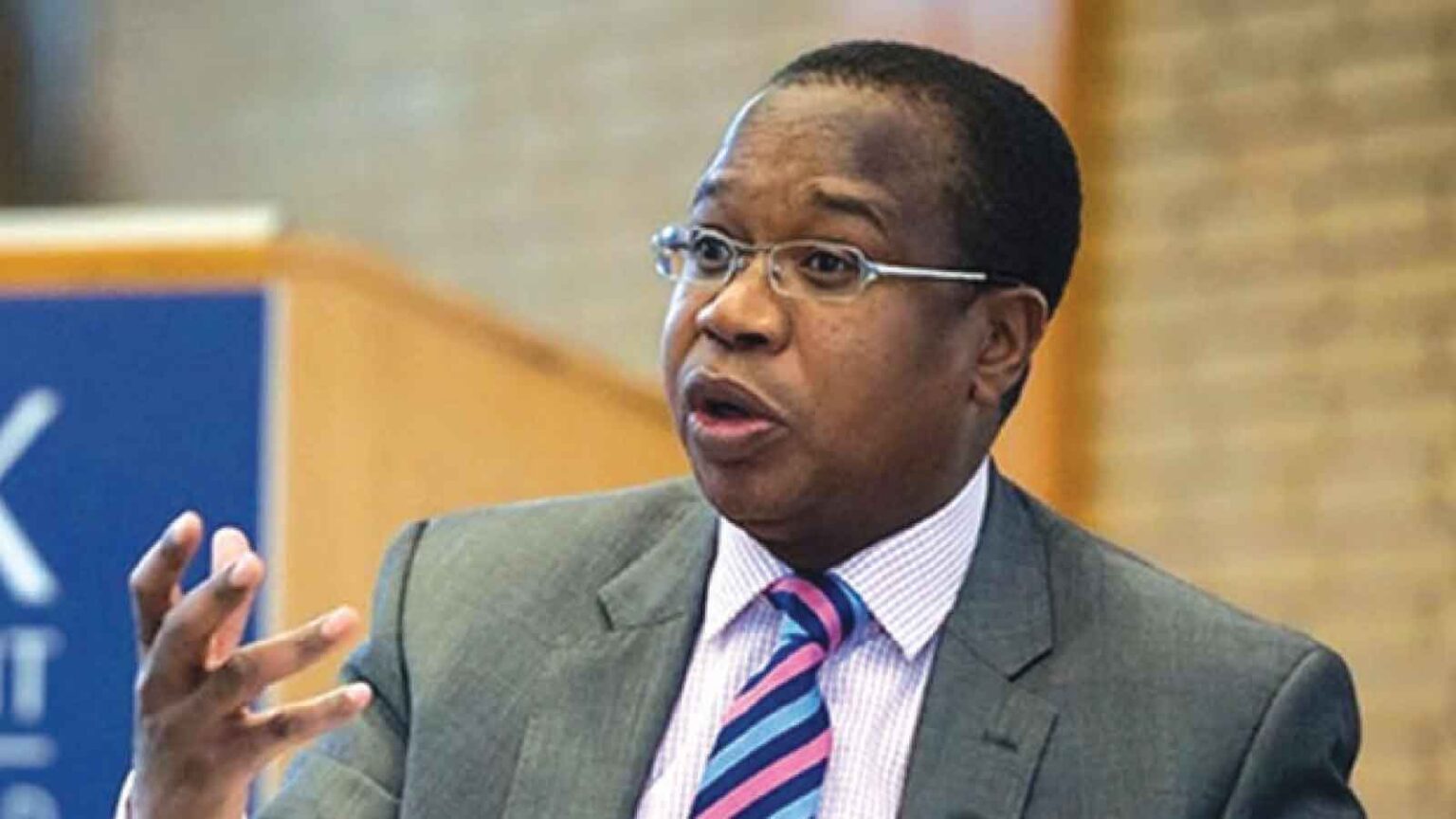
ZIMBABWE’S economic recovery has received a positive reception from global financial institutions, with Finance Minister Professor Mthuli Ncube reporting a growing recognition of the country’s improved economic performance and macroeconomic stability.
Prof Ncube, who is leading a high-level Zimbabwean delegation to the 2026 International Monetary Fund (IMF)/World Bank Annual Meetings in Bangkok, Thailand, said engagements with senior officials from the IMF, World Bank and International Finance Corporation (IFC) had provided an opportunity to update the institutions on the country’s economic progress and policy direction.
“General, there was a positive and congratulatory mood for Zimbabwe in terms of economic performance and progress made so far,” he said during an online briefing with journalists.
The positive reception comes as Zimbabwe consolidates its recovery through fiscal discipline, tighter monetary management and improved coordination between the two policy arms, which the Treasury chief said were helping businesses plan, invest and meet their tax obligations.
“Let me start with our one-on-one conversations where we are trying to update the institutions on what is happening. So basically, our update with all these meetings was that, look, Zimbabwe’s economy is growing robustly.
“Last year we had a growth of 8,3 percent. This year, 2026, we expect a growth rate of 5 percent and going into next year, we still expect a growth rate of 3,5 percent, which is even higher than what we experienced in 2024 when we had a similar climate shock.
“So our growth recovery is robust and the economy is doing well.”
Prof Ncube said the Government’s focus on macroeconomic stability was beginning to yield tangible benefits across the economy, particularly through improved business confidence and stronger revenue collection.
He said the combination of prudent fiscal and monetary policies, supported by effective coordination, had created a more predictable operating environment for companies.
He said: “Companies are finding it easier to plan, to invest and even to pay their taxes.
“Where they would pay the Government last, now they are able to pay the Government on time. So even our tax revenues are responding positively.”
The minister said the Government expected to close the year with a positive fiscal balance, while continuing to meet debt obligations and build reserves to cushion the economy against potential external shocks.
“So as I speak, we expect to end the year with a positive balance, but of course, as you know, we have got debts to pay, so we have to clear some debts. But we are trying hard to even build a buffer that will help us to deal with the middle shock next year,” he said.
On the monetary front, Prof Ncube said the country was maintaining prudent policies, including positive real interest rates and exchange-rate stability, as authorities worked to sustain confidence in the domestic economy.
“When you look at the monetary front, we are able to report that monetary policy is prudent or running a regime of positive real interest rates. We introduce open market operations. The exchange rate is stable. The exchange rate premium between the parallel and official rate is now 15 percent.”
The Bangkok engagements also provided an opportunity for Zimbabwe to press for greater international support for African economies, particularly in accessing affordable, long-term financing for infrastructure and strengthening resilience against climate-related shocks.
Prof Ncube said Zimbabwe wanted the IMF to increase its support for African countries facing climate vulnerabilities and financing constraints.
“We were able to really say that we need the IMF to double down on supporting African countries on various funding needs to deal with climate shocks, to deal with resilience, but also to have access to cheaper capital, longer-term capital, to finance infrastructure,” he said.
The minister said the delegation had held bilateral engagements with senior IMF and World Bank officials, including IMF Deputy Managing Director Nigel Clarke, the World Bank’s Vice President for Eastern and Southern Africa, and IFC Managing Director Makhtar Diop, alongside the IMF’s Director for Africa and other senior officials.
The discussions are significant for Zimbabwe as it pursues debt resolution and arrears clearance, seeks to rebuild relations with international financial institutions and works to attract investment to support infrastructure development and private-sector-led growth.
Meanwhile, the country is pursuing expanded private-sector financing, trade infrastructure investment and export-oriented agriculture under renewed cooperation with the International Finance Corporation (IFC), as the Government seeks to convert macroeconomic stability into productive investment and job creation.
The proposed cooperation prioritises expanding credit lines for small and medium-sized enterprises (SMEs), upgrading trade infrastructure at Chirundu border post, developing regional corridors supporting critical minerals and boosting investment in high-value agricultural exports, including blueberries and coffee.
Prof Ncube and his delegation met IFC managing director Mr Makhtar Diop on Tuesday to discuss strengthening support for Zimbabwe’s private sector.
The engagement follows a scoping mission in August 2026 to assess opportunities for renewed cooperation in investment, job creation, private sector development and advisory services.
A follow-up mission, led by the corporation’s regional vice-president, will visit Zimbabwe to consolidate partnerships across infrastructure, agriculture, energy, tourism and other productive sectors.
Expanding SME credit lines is a key priority, with improved access to finance expected to help businesses increase production, invest in operations and create employment.
The proposed support for Chirundu trade infrastructure and regional trade corridors could strengthen cross-border connectivity, improve the movement of goods and support Zimbabwe’s participation in regional commerce.
Critical minerals corridors are particularly important as the country seeks to strengthen mining-related investment and connect producers to processing facilities and export markets.
Agriculture offers further opportunities, with investment in blueberry and coffee production expected to strengthen value chains and expand export opportunities.
As a member of the World Bank Group, the IFC supports economic development and poverty reduction through private-sector investment and advisory services.
The forthcoming mission is expected to advance discussions towards partnerships that can unlock investment, strengthen exports and support sustainable private-sector growth.-herald