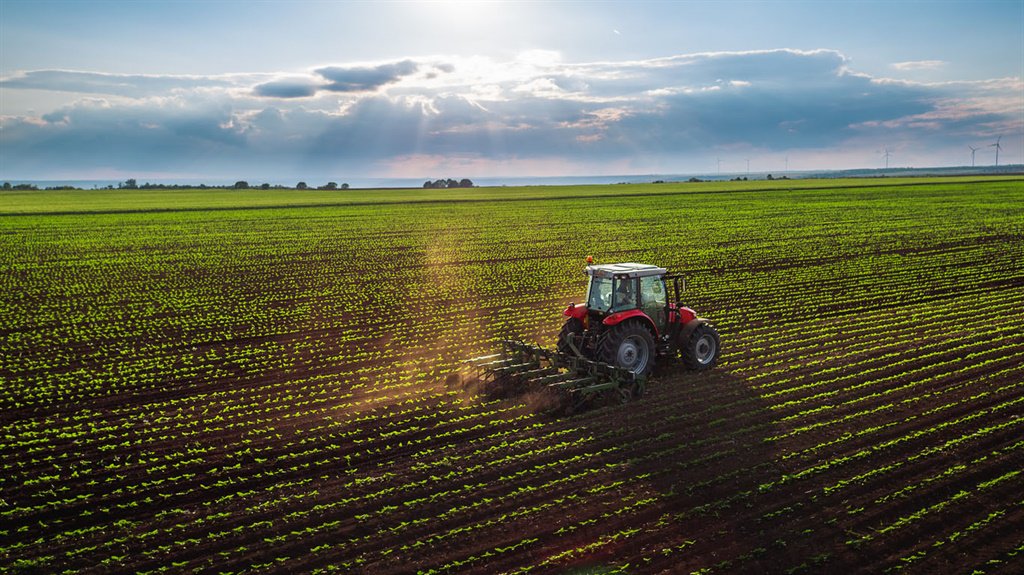
CBZ has set aside US$18 million under the National Enhanced Agriculture Productivity (NEAP) programme to finance seasonal production during the 2026/27 agricultural season, with farmer contracting and input collection already underway.
This comes as the bank has urged farmers to develop commercially viable business plans anchored on realistic production costs, assured markets and clear repayment strategies.
Presenting at the Zimbabwe 2026/27 Agricultural Season Whole Value Chain Preparedness Summit organised by Zimpapers, CBZ Agro Yield head of credit, Mr Wisdom Mukaro, said the bank was ready to fund farmers.
“For the 2026/27 facility, we have set aside a budget for US$18 million to fund the season and farmers have started collecting inputs,” he said.
Mr Mukaro said although funding was available, farmers should come up with proper business plans to benefit.
He said the changing agricultural landscape demanded a fundamental shift in the way farmers plan, finance and manage their enterprises.
According to Mr Mukaro, rising input costs, increasingly sophisticated markets, climate change and rapid technological advancement meant farming could no longer be approached simply as production, but as a business.
“When it comes to spraying our crops, we used to use knapsacks and boom sprayers. Now some drones can do the spraying within a few minutes,” he said.
“Markets are becoming sophisticated. Input costs are increasing in terms of fertiliser and fuel prices, while climate change is also introducing new uncertainties. We therefore need to start looking at farming differently.”
Mr Mukaro said agriculture remained a major pillar of Zimbabwe’s economy, contributing to economic growth, food security, employment and rural livelihoods.
He said farmers seeking financing should first establish what they intend to produce, the hectarage, realistic production costs, expected revenue and the market for their produce before approaching financial institutions.
“When we talk about finance in farming, the conversation is not about how much I can get, or how much I can apply for through my bank.
“If you want to go into maize, wheat or soyabean production, come up with a budget before going to the bank to make an application,” he said.
A credible business plan, he said, should clearly spell out production costs, expected yields, cash flows, production calendars, labour requirements, markets and the timing of expected payments.
These factors allow banks to assess commercial viability, determine appropriate lending limits and align loan maturity periods with farmers’ production and marketing cycles.
Farmers should also identify production and market risks and demonstrate how these will be managed, while carefully establishing their break-even point to determine whether projected sales can sustainably cover costs.
Mr Mukaro cautioned farmers against inflating production costs, saying realistic budgets and cash-flow projections were critical in determining repayment capacity.
CBZ is offering several financing instruments, including seasonal input facilities covering requirements such as seed and fertiliser, working capital facilities to bridge operational financing gaps, and asset financing.
Under asset financing, farmers can access equipment including Belarus tractors through a land tenure-linked facility at an interest rate of 7,5 percent.
Mr Mukaro said mechanisation was critical to ensuring farmers completed time-sensitive operations without delays caused by inadequate machinery.
“Farmers, equip yourselves so that you do not miss your planting time because you do not have a tractor,” he said.
He also encouraged farmers to take advantage of the Government’s farm title deeds programme, saying CBZ was among participating financial institutions supporting the initiative.
He said mortgage financing linked to title deeds could run for up to 20 years at an interest rate of 7,5 percent, with annual instalments.
Access to secure tenure and long-term financing, Mr Mukaro said, would enable farmers to invest confidently in permanent infrastructure and other productivity-enhancing assets.
The financing push comes as stakeholders across the agricultural value chain intensify preparations for the 2026/27 season, with emphasis on timely financing, mechanisation, climate resilience and treating agriculture as a commercially sustainable enterprise.-herald