

INVESTMENT in Zimbabwe is rising fast and a lot of this is now coming from Zimbabwean-owned companies, firms with both local and foreign investors, and foreign-owned entities that have become over the years stalwarts of local industry and are quite prepared to recycle a large slice of their profits into expansion.
With a strong ZiG, stable exchange rates, growing reserves and high net inflows of foreign currency from trade and non-trade sources, the Zimbabwean banking sector is seeing rising real growth in deposits and is able to fill that fundamental and vital role of a bank, able to lend money to fill that gap between the start of an expansion programme and the flow of new revenue once it is complete.
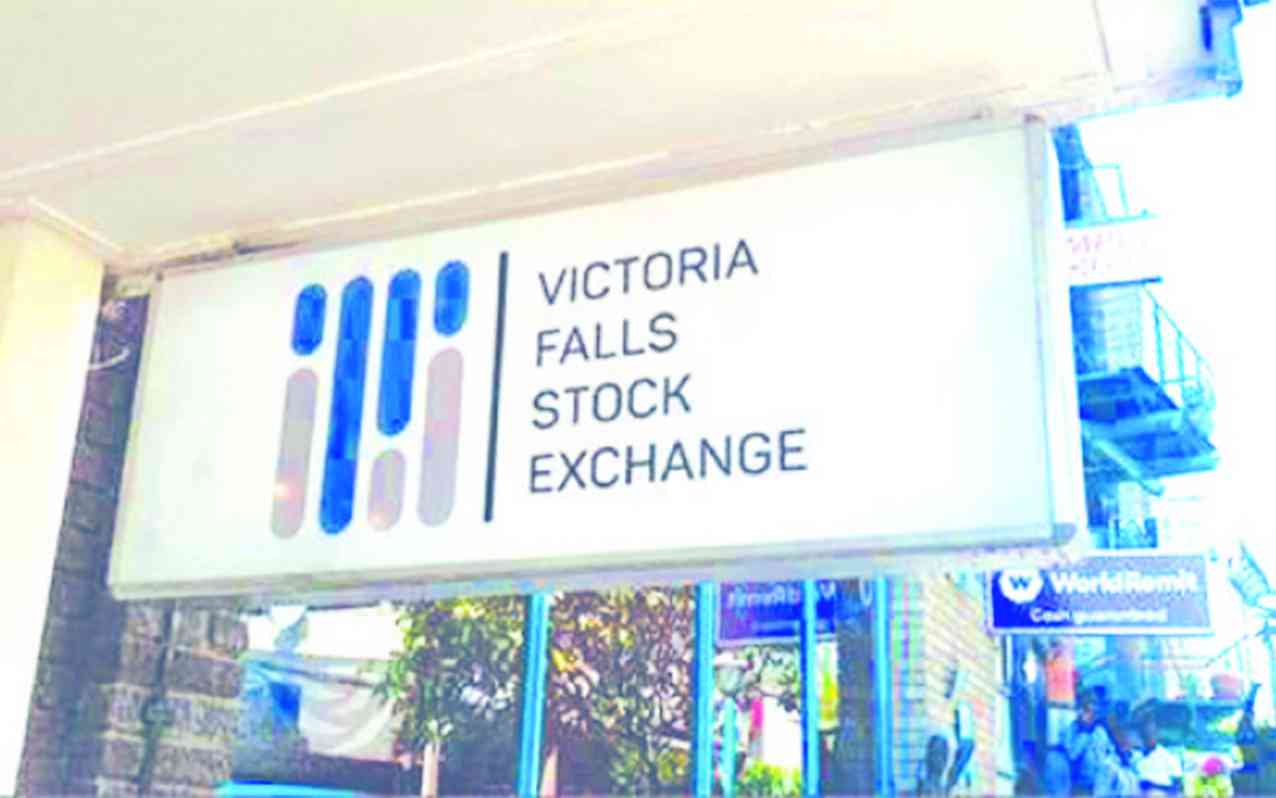
The latest two announcements of expanded investment come from Dairibord, a Zimbabwean company, and Caledonia Mining Corporation, a gold-mining company whose shares are quoted on the New York, London and Victoria Falls Stock Exchanges and which brings together foreign and local investors, with one of its larger investors being an indigenous Zimbabwean family.
Dairibord has just commissioned a US$500 000 extension to its ice-cream factory, doubling output of its snack ice-creams on a stick, as it continues its steady progress as one of Zimbabwe’s main agro-industrial processors.
Caledonia has just secured a US$150 million facility from a consortium of Zimbabwean banks to develop its second major gold mine at Bilboes, to complement its majority stake in the long-established Blanket Gold Mine. The new mine is expected to be shipping gold by late 2028, but the mine development is now in progress, hence the need for financing.
These investments are far from unique. Recently Delta, possibly the oldest manufacturer in Zimbabwe, announced its investment into yet more new bottling lines so it can resume offering all its products in all desired sizes to its expanding market. Delta is another of those companies quoted on a local stock exchange but with significant external investment.
A pure foreign-owned company, in fact, the other major maker of soft drinks, Varun Beverages, is adding another two bottling lines to the six already operating, in a market where the initial investment was just one line a few years ago. But the owner of that company is keen on building the business rather than just shipping out all profits as dividends.
Mutapa Investment Fund, the largest local investor, has hardly been quiet. After cleaning up a lot of its portfolio and sorting out financial and management needs, it has started expanding gold mines, rebuilding air, rail and road public transport concerns and generally adding its weight to our total viable and profitable investment.
There are many other examples, and a drive around industrial sites and through mining areas will show that many concerns are not just keen to build up their Zimbabwean investments, but are actively doing so.
While all are investing more because they think it is a smart way to go, that just maintaining market share in a fast-growing economy means adding ever more value and production, it is also noticeable that the biggest investment is usually into mining, adding value to what is mined and manufacturing that is built around processing Zimbabwean raw materials, what Zimbabwean farmers grow and what our miners dig up.
Almost all the additional investment means additional jobs, and regardless of whether the investors are local or foreign, everyone tries to hire Zimbabweans, or at least train up Zimbabweans, to fill the new posts since this helps ensure a lot more labour stability, as well as eliminating the costs of home leave and foreign schools for children.
The pro-investment environment of the Second Republic does allow setting off investment against profit for tax purposes, and capital equipment comes into Zimbabwe duty-free. But from the very beginning VAT on sales and PAYE on the salaries of the new employees is taxed, and paid monthly, and mining royalties are paid from the first sale. As profits exceed investment, another flow of taxes is started.
The high level of local investment by established Zimbabwean concerns is also a good indication to potential new foreign investors that they should take a good look at doing business in Zimbabwe. When the established companies, locally and foreign owned, are that confident it sends out a message that we are doing things right.-herald