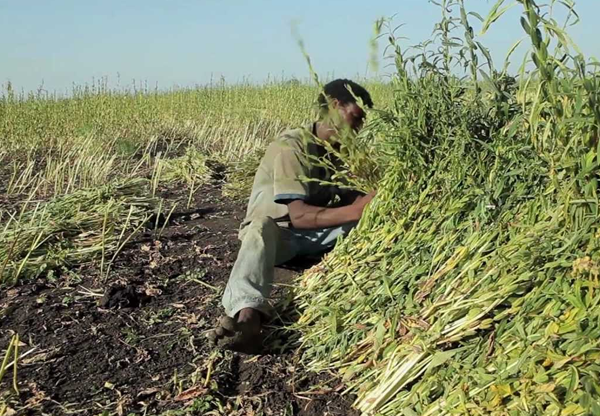
Farmers earned US$2 million from sesame sales during the 2026 marketing season, the Agricultural Marketing Authority has revealed. This comes as the authority is calling on registered and prospective sesame contractors to submit their contracting plans for the 2026/27 production season in line with the prescribed requirements and timelines.
In a notice to sesame value chain stakeholders recently, AMA said that the 2026 sesame selling season ended on August 14, with farmers delivering 2,3 million kilogrammes of the crop valued at US$1,84 million to registered buyers.
Producer prices ranged between US$0,60 and US$1 per kg.
This year’s total sesame intake was 20 percent below last year’s 2,9 million kg.
“A total of seven compliance tickets valued at US$7 000 were issued for identified violations.
‘‘In addition, 26 096 kg of sesame valued at approximately US$18 631 was confiscated and auctioned during compliance operations,” said AMA.
AMA introduced the Agricultural Marketing Authority [Regulatory Circular on the Sesame Production and Marketing Modalities] Regulatory Circular Number 1 of 2025. The circular applies to all registered sesame contractors, traders, processors and growers.
Late last year, the authority conducted an inaugural Sesame Indaba with all stakeholders aimed at building a structured, transparent and sustainable sesame industry that uplifts farmers, attracts investment and positions Zimbabwe as a competitive global player.
Meanwhile, the Zimbabwe National Statistics Agency (ZimStats) latest statistics indicate that the country’s first half sesame export earnings dropped 62 percent from US$2 325 720 last year to US$873 006.
In volume terms, exports declined 39 percent from 2,2 million kg to 1,3 million kg, while the average price also took a 38 percent knock to US$0,65 per kg from US$1,05.
Zimbabwe exported sesame seed worth US$3,8 million last year, against US$1,3 million in 2024, a 152 percent surge.
The volume of sesame exported also rose 188 percent from 1,3 to 3,8 million kg, while the price took a 13 percent dip to US$1,02 from US$1,17 per kg.
The International Trade Centre (ITC) managed Trade Map online database also substantiated this when it revealed that Zimbabwe exported sesame worth US$3 556 000 to Mozambique last year.
The country also earned US$160 000 and US$120 000 from sesame exports to South Africa (SA) and Zambia, respectively.
Globally, demand for sesame is rising, driven by health-conscious consumers, the cosmetic industry and a growing appetite for plant-based oils and protein.
Reports state that Africa already supplies over 60 percent of the world’s sesame exports, with Zimbabwe contributing only a fraction of that.
The country last year hosted a high-level Danish business delegation to explore investment opportunities in food systems, agriculture and clean energy sectors with local players.
According to agriculture experts, Zimbabwe could earn more from the export of value-added organic sesame.
Denmark is one of the ready markets for the niche organic sesame produced by Zimbabwe, but the country must stop exporting in raw form to get more value.
According to the Second-Round Crop, Livestock and Fisheries Assessment reports (CLAFAs), sesame farming grew 264 percent from 17 110 hectares in the 2018/19 season to 62 259 hectares in the 2024/25 season.
Sesame seeds are used in a variety of ways, primarily as a culinary ingredient to add flavour and texture to dishes and as a source of nutrients and health benefits.
The seeds can also be eaten whole, ground or toasted and are often used in baking, stir-fries, salads and various other recipes.
Sesame oil is extracted from the seeds and used in cooking and some traditional remedies.-herald