BULAWAYO and Harare-based companies have emerged as the biggest beneficiaries of the Government’s Industrial Development Fund, as authorities accelerate support for manufacturers with strong potential to drive industrialisation, create jobs and deepen local value chains.
Latest figures presented in the 2026 Mid-Term Budget and Economic Review also show that engineering and construction companies account for the largest share of beneficiaries, highlighting the Government’s focus on industries with strong linkages to infrastructure development, manufacturing and value addition.
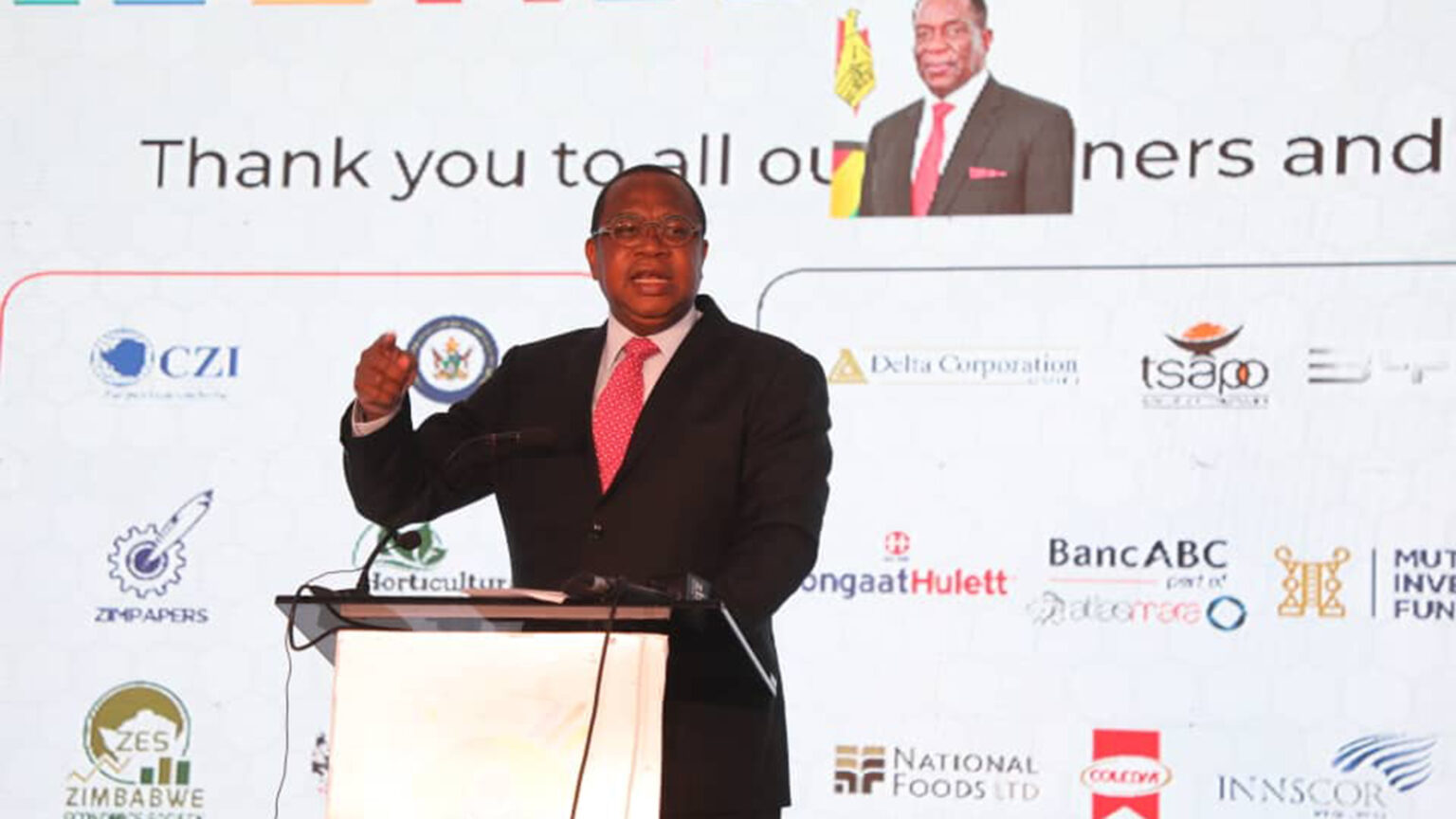
Finance, Economic Development and Investment Promotion Minister, Professor Mthuli Ncube, said ZiG85 million had so far been approved for 15 companies under the Industrial Development Fund, with ZiG33,1 million already disbursed. The fund is being administered by the National Venture Capital Company of Zimbabwe (NVCC), following the signing of a Memorandum of
Understanding between the Ministry of Industry and Commerce and the Ministry of Finance, Economic Development and Investment Promotion in 2025.
Professor Ncube made the remarks on Thursday while presenting the 2026 Mid-Term Budget and Economic Review under the theme, “Enhancing Drivers of Economic Growth and Transformation Towards Vision 2030”.
The Industrial Development Fund is one of the Government’s key interventions to stimulate industrial growth by providing financing to viable enterprises capable of supporting import substitution, value addition and employment creation, in line with the National Development Strategy 2 (NDS2).
Professor Ncube said that, of the ZiG101 million budgeted for the programme, ZiG85 million had already been approved for qualifying firms.
“Subsequent to the signing of a Memorandum of Understanding between the two Ministries – Industry and Commerce, and Finance, Economic Development and Investment Promotion – designating the National Venture Capital Company (NVCC) in 2025 as the administrator of the Industrial Development Fund, ZiG85 million has been approved for 15 companies, of which ZiG33,1 million (40 percent) has already been disbursed out of the budgeted ZiG101 million.”
He said the financing had been channelled towards productive enterprises with the capacity to contribute meaningfully to Zimbabwe’s industrial transformation agenda.
“These resources were disbursed towards support for viable businesses with strong potential for job creation, import substitution, value addition, and integration into domestic value chains, in line with the objectives of National Development Strategy 2 (NDS2). A total of 15 companies benefited across five sectors.”
An analysis of the sectoral distribution of beneficiary companies shows that engineering and construction accounted for the largest share, at 34 percent, underscoring the Government’s priority of supporting industries that stimulate broader economic activity through infrastructure development and industrial expansion.
The agro-processing sector was the second-largest beneficiary, accounting for 20 percent of funded companies, reflecting continued efforts to strengthen agricultural value addition, improve food processing capacity and reduce reliance on imported processed products.
Pharmaceutical production represented 17 percent of the beneficiaries, demonstrating the Government’s intention to enhance local manufacturing of essential medicines and reduce import dependence in the health sector.
The motor industry accounted for 15 percent, while chemical production comprised 14 percent of the beneficiary companies, illustrating the broad-based nature of the fund across strategic manufacturing sectors that support domestic production and industrial value chains.
The beneficiaries are spread across five provinces, although Bulawayo and Harare received the largest shares of the allocations, reflecting the concentration of manufacturing activity in the country’s two major industrial centres.
“The beneficiary companies are distributed across five provinces, namely Bulawayo, Harare, Midlands, Mashonaland West and Matabeleland North (Tsholotsho), with Bulawayo and Harare absorbing the larger portions, at 33 percent and 44 percent respectively.”
The Government expects more qualifying companies to receive funding during the second half of the year, as the remaining approved resources are released.
Professor Ncube said the initial impact of the fund on the manufacturing sector had been encouraging, prompting the Government to consider expanding the financing facility.
“The balance is set to be distributed during the second half of 2026 to companies meeting the selection criteria. The resources have had a positive impact on the manufacturing industries; therefore, the Government will explore opportunities to increase the Fund through both fiscal resources and by exploring partnerships with the private sector and development partners,” he said.
The Industrial Development Fund forms part of broader Government efforts to strengthen domestic industrial capacity, enhance competitiveness, stimulate value addition and beneficiation, and support the country’s drive towards achieving Vision 2030 through accelerated industrialisation.-herald