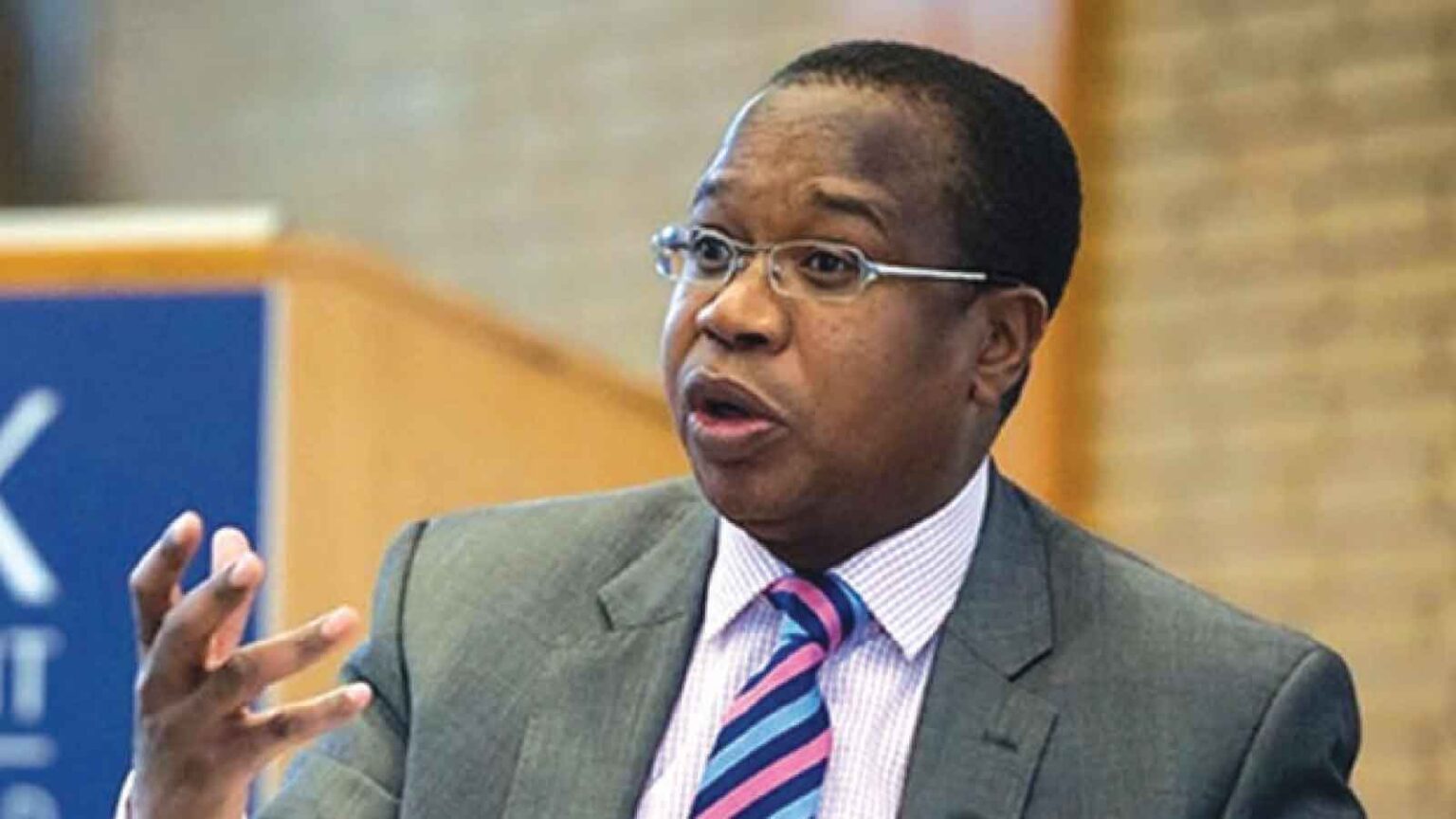
FINANCE, Economic Development and Investment Promotion Minister Professor Mthuli Ncube is today expected to present the 2026 Mid-Term Budget Review and the 2027 Budget Strategy Paper, with businesses, investors and households looking for policy measures to sustain the prevailing macroeconomic stability.
Minister Ncube is also expected to pronounce measures to support ZiG stability, promote its wider use in the economy and consolidate Government’s ease of doing business reform momentum.
Market watchers anticipate the Treasury chief to maintain the current policy direction rather than introduce sweeping reforms, arguing that the economy has shown encouraging resilience during the first -half of the year despite global uncertainty and geopolitical tensions.
Today’s review comes against a backdrop of stable inflation, a firmer ZiG exchange rate, improving fiscal revenues, rising foreign currency inflows and solid performances in agriculture and mining, developments that have strengthened confidence in Zimbabwe’s ongoing macroeconomic reform programme.
Unlike the annual National Budget, the mid-term budget review primarily assesses economic performance during the first six months of the year, examining revenue collections, expenditure, budget execution and fiscal performance while updating economic projections for the remainder of 2026.
It also allows the Treasury to fine-tune policy and report progress on reforms under the National Development Strategy 2 (NDS2).
Key areas expected to dominate today’s statement include the outlook for the ZiG, inflation, Government fiscal performance, taxation, ease of doing business reforms, business licensing rationalisation, industrial incentives and progress towards the planned transition to a mono-currency system.
Economic analyst Mr Persistence Gwanyanya said the prevailing macroeconomic environment provides little justification for major policy shifts.
“The 2026 Mid-Term Fiscal Policy Review occurs against a backdrop of macroeconomic stability and renewed growth momentum, notwithstanding adverse external shocks.
“This resilience underscores the effectiveness of current policy frameworks, suggesting that the upcoming review will prioritise policy continuity over structural deviations,” he said.
Mr Gwanyanya said the market would also be looking for clarity on how improved fiscal revenues would be utilised to strengthen productivity, enhance competitiveness and build resilience against future external shocks.
Persistence Gwanyanya
He added that businesses also expected progress on regulatory reforms, including Government’s ongoing rationalisation of licences, permits, levies and regulatory fees aimed at reducing the cost of doing business.
Investment analyst at Trigrams Investments, Mr Wafa Kuchera, said tax policy would remain one of the most closely watched issues in today’s review.
“It is difficult to ask the minister to do more in some areas while simultaneously asking him to collect less in taxes, but that is exactly what we are asking him to do,” he said.
“The Government needs to become more efficient and fiscally creative with what it collects to make the impact of taxes go further.”
Mr Kuchera said businesses would be looking for measures that encourage growth rather than additional tax burdens, while also expecting policy support for exports, import substitution and greater use of the local currency ahead of the planned mono-currency transition.Markets will also be watching whether Treasury revises economic growth and revenue projections following stronger-than-expected first-half performance, while providing fresh guidance on inflation, exchange rate stability and fiscal discipline for the remainder of the year.
The statement is also expected to outline progress on broader structural reforms designed to improve the investment climate, deepen macroeconomic stability and sustain Zimbabwe’s economic growth trajectory through the second-half of 2026.-herald