The Famine Early Warning Systems Network (Fews Net) has warned of fertiliser shortages and price increases ahead of Zimbabwe’s 2026/27 summer cropping season, citing global supply disruptions linked to geopolitical tensions in the Middle East.
The warning comes amid volatility in global energy and commodity markets following disruptions to trade flows and production inputs tied to the wider Middle East energy corridor.
The region remains a key transit route for global crude shipments, particularly through the Strait of Hormuz, where a significant share of world oil exports passes. Disruptions or risks in the area typically result in higher shipping costs, rerouting of vessels, and increased insurance premiums.
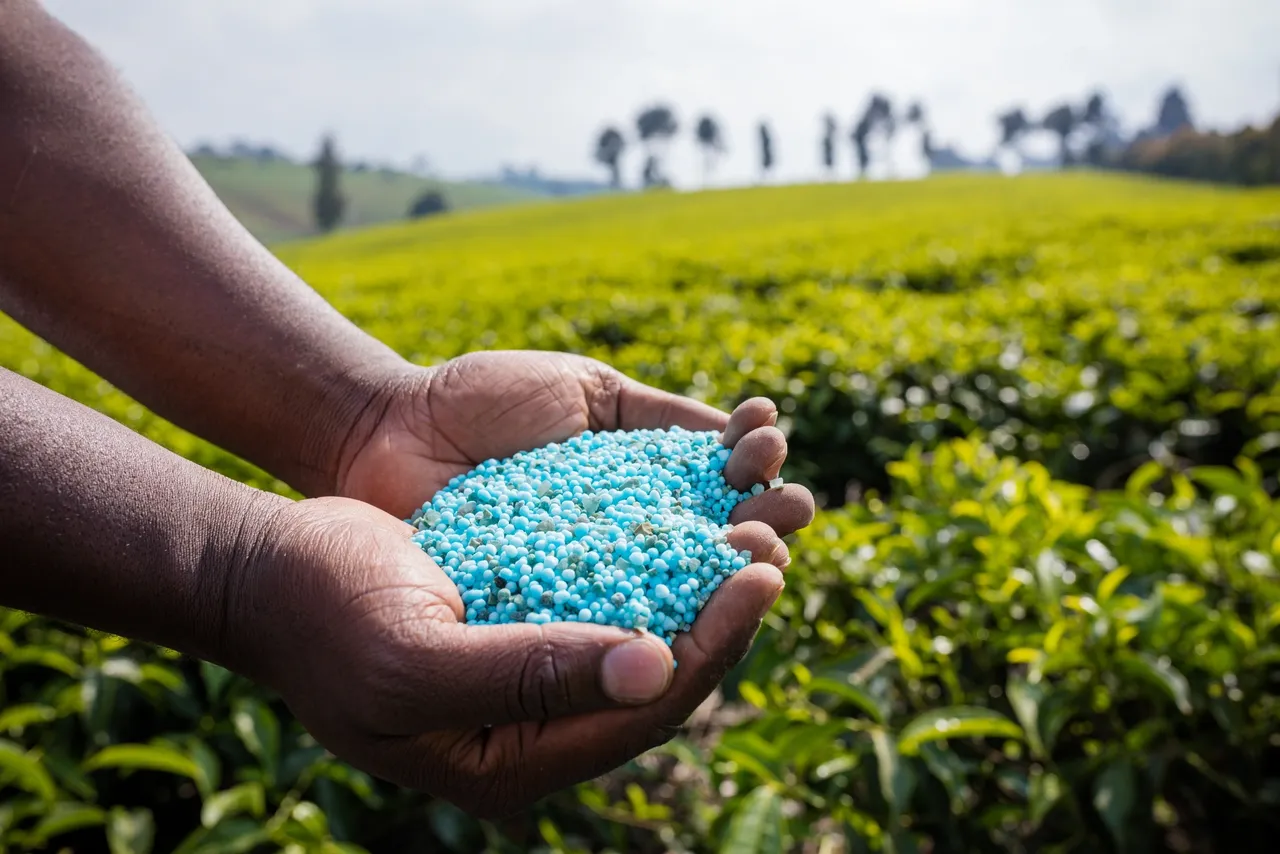
In its latest food security update, Fews Net said fertiliser shortages and rising prices were likely to reduce planted area and yields in the coming agricultural seasons, particularly the main October/November 2026/27 cropping period.
“Fertiliser shortages and price increases are likely due to global supply constraints,” Fews Net said.
“This will likely reduce the cropped area and yields during the coming agricultural production seasons, particularly the main summer cropping season from October/November.”
It said price pressures on fuel, fertiliser, and other commodities would likely feed into higher costs of basic goods and services, reducing household purchasing power in both rural and urban areas.
“Prices of basic food, other goods, and services are likely to increase through September due to higher fuel and fertiliser prices. This will further reduce poor households’ access to food and non-food needs in both rural and urban areas,” Fews Net said.
While authorities have assured farmers of adequate fertiliser supply for winter cropping due to prepositioned stocks, Fews Net said supply risks remained for the subsequent summer season.
The agency added that some areas already affected by weather shocks, including excessive rains and dry spells, could see below-average 2026 crop production, with household food stocks expected to deplete faster after harvest.
The warning comes as international climate forecasts indicate a high probability of an El Niño event developing from mid-2026, which could reduce rainfall during the November 2026 to March 2027 season.
The Meteorological Services Department has also issued a preliminary alert on the likelihood of an El Niño event, saying global forecasting centres estimate an 88% to 94% probability of its emergence during the 2026/27 rainy season.
The department said El Niño conditions are historically associated with a 65% chance of below-normal rainfall in Zimbabwe, posing risks to agriculture, water supply, and broader economic stability.
However, it cautioned that seasonal forecasts remain uncertain due to the “spring predictability barrier”, where atmospheric and oceanic conditions can shift significantly before the rainy season begins.
It said it had not yet issued an official seasonal forecast and advised stakeholders against making critical planning decisions based on preliminary projections.
The last El Niño event during the 2024/25 agricultural season contributed to weaker economic growth, with some estimates placing GDP growth at around 2%, amid one of the country’s most difficult recent production years.
“While the government has instituted measures to mitigate fuel price increases, existing fuel price and public transport fare increases will be compounded by anticipated production and transportation cost hikes.”-newsday