One hundred and forty years ago, the Berlin Conference of 1884-1885 redrew the map of Africa with chilling indifference.
Borders were carved not by African hands, but by European ambition and in the process, something far more devastating than land was seized: identity.
African culture was deliberately rendered invisible, its rhythms, languages, foods and fabrics dismissed as primitive obstacles to colonial progress.
Zimbabwe, like so many nations on the continent, inherited this wound.
May, Zimbabwe’s designated Culture Month, is no longer merely a calendar event.
Under the visionary patronage of the First Lady, Dr Auxillia Mnangagwa, rightly celebrated as the Architecture of Culture, it has become a national act of restoration.
It is Zimbabwe’s loudest, most colourful declaration that its stolen identity is being reclaimed, one initiative at a time and that the world is invited to witness the recovery.
The Patron of Culture: Building the Architecture of Identity
Dr Auxillia Mnangagwa has positioned herself not as a ceremonial figurehead but as the commanding force behind Zimbabwe’s cultural renaissance.
Supported faithfully by her lieutenant, Minister of Tourism and Hospitality, Barbra Rwodzi, the First Lady has championed a philosophy that echoes through every village and city square: leave no one and no space behind.
This principle is transformational. Culture Month is not a Harare affair. It cascades into rural homesteads, school grounds, border towns and market corners. Every Zimbabwean, from the grandmother grinding rapoko in Buhera to the fashion designer in Bulawayo, is a participant, a custodian and a beneficiary of this cultural awakening.
Traditional Food: Nourishing Identity from the Ground Up
Among the most grounding pillars of Culture Month is the celebration of traditional cuisine, personally championed by Dr Mnangagwa. Sadza rezviyo, muriwo unedovi, nyimo, matemba, and madora are no longer framed as humble subsistence meals.
They are repositioned as sophisticated expressions of agricultural wisdom, ecological balance and communal identity.
The annual Cookout Competitions have become a centrepiece of this culinary revolution.
Communities compete not merely for prizes but for pride, showcasing heirloom recipes that survived colonialism tucked inside the memories of grandmothers.
These events draw tourists, food journalists and cultural enthusiasts, transforming kitchen traditions into international conversation.
Zimbabwe’s table, once ignored on the global food tourism map, is now being set with intention and excellence.
The Doek Movement and the National Fabric: Dressing a Nation in Dignity
Perhaps no visual symbol of Zimbabwe`s cultural renaissance has commanded more attention than the Doek Movement: the public reclamation of the traditional head covering as a crown of African womanhood.
Under Dr Mnangagwa’s leadership, the doek has migrated from domestic spaces into boardrooms, state functions, and international stages, challenging decades of internalised colonial aesthetics that equated European dress with sophistication.
Equally significant is the introduction of Zimbabwe’s National Fabric: a bold, government-endorsed move that threads cultural identity directly into daily life.
The National Fabric does what flags and anthems alone cannot: it makes identity wearable, visible and intimate.
In a global era where fast fashion erases cultural distinction, Zimbabwe’s National Fabric is an act of sovereignty. It signals to the world, and to Zimbabweans themselves, that their aesthetic heritage is not folkloric nostalgia: it is living, contemporary and competitive.
The Ethics of Being Zimbabwean
Beneath the music and the meals lies the philosophical spine of Culture Month: Tsika nemagariro, the Shona framework of values, conduct and communal responsibility. These are the ethics that governed pre-colonial Zimbabwean society: respect for elders, communal labour (nhimbe), honest speech, hospitality to strangers and reverence for the land.
In an era of social media fragmentation and eroded civic culture, the intentional teaching and celebration of Tsika nemagariro is radical.
Schools, community centres and cultural villages are becoming classrooms for these values.
They do not merely look backward: they offer Zimbabwe a moral architecture for navigating modernity without losing itself.
The Mbira Festival: A Global Invitation to Zimbabwe’s Soul
No initiative better illustrates Zimbabwe’s cultural ambition on the world stage than the proposed Mbira Festival, founded and championed by the First Lady as a landmark platform to showcase, preserve, and elevate Zimbabwe’s heritage globally.
The mbira, often called the voice of the ancestors, is one of Africa’s oldest and most distinctive musical instruments.
UNESCO has recognised its cultural significance, yet Zimbabwe has underutilised this global asset in its tourism narrative.
The Mbira Festival, championed within the Culture Month framework, is designed to correct this.
Modelled on the global success of events like the Fes Festival of World Sacred Music in Morocco or the Rainforest World Music Festival in Malaysia, Zimbabwe’s Mbira Festival has the potential to draw ethnomusicologists, cultural tourists, diaspora communities and international artists.
It reframes Zimbabwe not as a safari stopover but as a profound destination for those seeking authentic spiritual and artistic experience.
A Global Scenario: Culture as the New Tourism Economy
Globally, cultural tourism is among the fastest-growing segments of the travel industry, accounting for nearly 40 percent of international tourism. Nations like Japan, India, Ghana and Senegal have built entire economic strategies around heritage, food, music and textile traditions.
Ghana’s Year of Return demonstrated how intentional cultural branding can generate hundreds of millions in tourism revenue while simultaneously healing historical wounds.
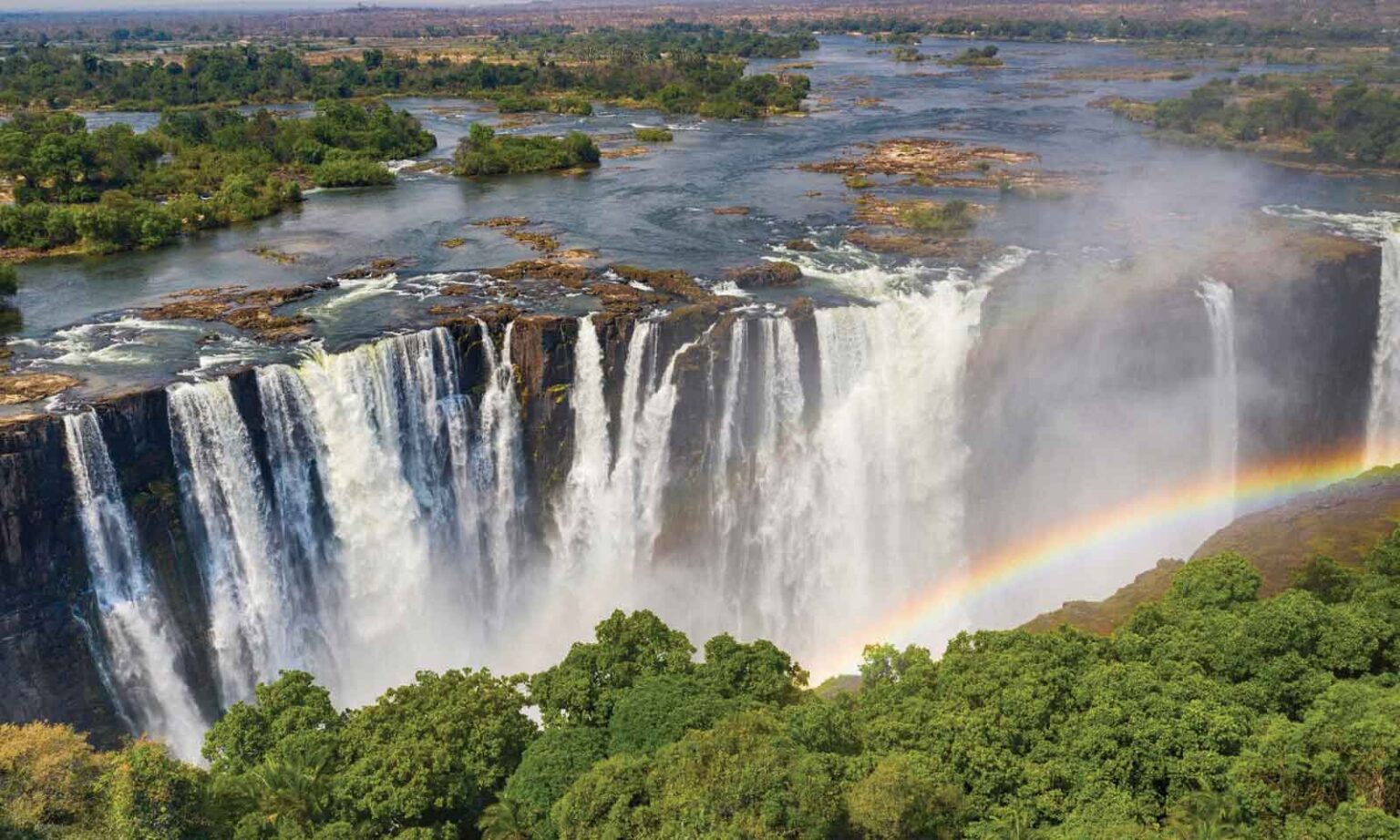
Zimbabwe stands at precisely this inflection point. With its unparalleled tapestry of Great Zimbabwe heritage, Matopo Hills, Victoria Falls, Karanga pottery traditions, Ndebele beadwork, and Shona sculpture — all now contextualised within a living, breathing Culture Month, the country possesses every ingredient for world-class cultural tourism.
The missing element has always been narrative and that narrative is now being written, deliberately and powerfully.
Conclusion
Culture Month 2026 marks far more than an annual celebration. It marks the formal beginning of a new era: one in which Zimbabwe’s 140-year-old wound of cultural erasure is treated not with silence but with song, not with shame but with the National Fabric worn boldly, not with hunger but with a table of traditional foods laid proudly before the world.
Under the stewardship of Dr. Auxillia Mnangagwa, Zimbabwe is not simply rebranding tourism.
It is reclaiming its soul. And in doing so, it extends an invitation to every visitor, every investor, and every Zimbabwean in the diaspora: Come. Taste it. Wear it. Hear it. This is who we have always been. The safari has its place. But Zimbabwe`s greatest wonder was never the lion in the grass. It was always the story told around the fire after dark.
Charles Mavhunga co-authored textbooks in Business Entrepreneurial Skills and is currently studying for a Ph.D. in Management at Bindura University. He can be contacted at charles.mavhunga @gmail.com. Cell:0772989816-herald