OVER 200 000 hectares have been placed under improved sustainable land and forest management across the country, driven by initiatives to combat deforestation and land degradation.
Key programmes, supported by the Food and Agriculture Organisation of the United Nations (FAO) and the Global Environment Facility (GEF)-7, focus on restoring landscapes and implementing sustainable practices in dryland areas to reduce environmental damage.
In an interview, National Project Coordinator for the Dryland Sustainable Landscapes Impact Programme (DSLIP), Mrs Precious Magwaza said under the programme, land and forest management was critical.
“The DSLIP demonstrates effective approaches to land and forest management, enhancing collaboration across sectors to ensure ecosystem resilience and improved community livelihoods.
“To date over 200 000 hectares has been placed under sustainable land and forest management, with 15 000 individuals directly benefitting from the project,” she said.
“The project places the farmer at the centre and through the Farmer Field School approach supports farmer led activities in sustainable or climate smart agriculture, catchment management, establishment of tree nurseries and forest management.”
She said there was support of production and/or preservation of climate resilient seeds, establishment of Village Savings and Lending Schemes as well as green value chains development in traditional grains, Non Timber Forest Products and small livestock.
Mrs Magwaza said the project has also supported the adoption of conservation agriculture by providing labour saving technologies, enhancing active participation of women in agriculture and changing their lives.
She added: “Communities have also been capacitated to improve their crop diversity and vulnerability to climate change through provision of Community seed banks and linking farmers to exchange knowledge. While best practices have been adopted widely in the Save, Runde catchments and beyond.”
Mrs Magwaza said more than 15 000 farmers, with over 60 percent being women are involved in the project and these have been arranged into 600 farmer groups across all the 44 wards of the eight districts of the project in Masvingo, Midlands and Manicaland provinces.
She said as part of this work, the project has supported meaningful capacity building of extension staff in the project area as well as peer-to-peer farmer learning.
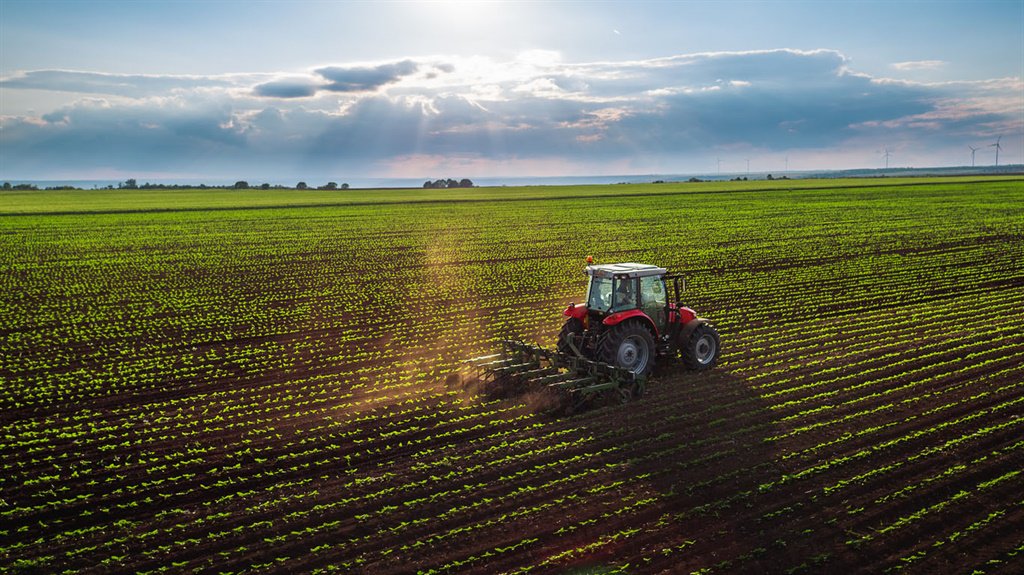
“Farmers have been supported with inputs for production in the form of seeds particularly sorghum, pearl millet, and fodder crops. As well as equipment which includes two-wheel tractors, double furrow ploughs, double row planters, five-row seeders, 1.5-ton trailers, multi-crop threshers, earth auger, grinding mills, deHullers and peanut butter processors,” she said.
Mrs Magwaza said the project has seen significant time saving in ploughing and traditional grain processing due to the equipment support.
While women are able to dedicate meaningful time to productive work and participate in developmental work that also improves their livelihoods.
She said: “The adoption of the Village Savings and Lending Schemes as well as the various enterprises supported under the project has seen women’s incomes and general welfare being improved.”
In terms of promoting drought-resistant crops and sustainable farming techniques, Mrs Magwaza said there was establishment of four community seed banks (CSBs) in Vanyoro Ward 17 in Zaka District, Dumisayi Ward 16 in Chipinge District, Mutiusinazita Ward 27 inBuhera District and Manyumbu Ward 8 in Chivi District.
Mrs Magwaza said the purpose of the CSBs was to conserve, store and distribute indigenous seeds, enhancing food security, climate resilience and biodiversity.
“Farmers also have access to traditional drought tolerant varieties through seed breeding and exchange among themselves. The DSLIP project is making frantic efforts to share the good practices adopted in the project area to national level,” she added.
“This is being done through various communication platforms and media, knowledge exchange, development of electronic and print media articles and the involvement of strategic personnel in project activities among others. Furthermore, the project is also focusing on the policy environment as an enabler towards land and forest management.”-herald