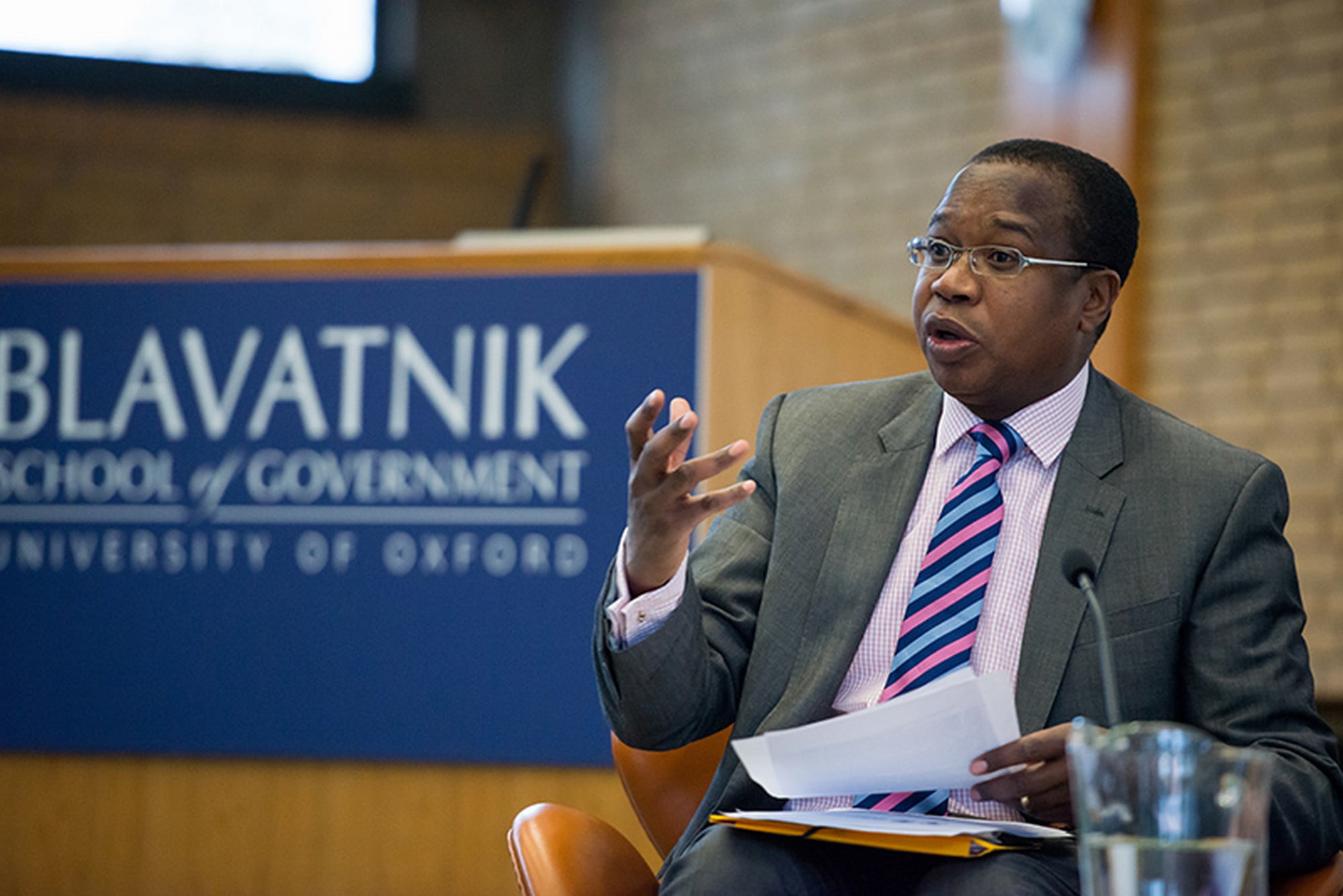
Reserve Bank of Zimbabwe (RBZ) Deputy Governor Dr Innocent Matshe has assured businesses and the public that Zimbabwe’s transition towards a mono-currency system will be gradual and market-driven, ruling out any rushed move to abandon the multicurrency framework.
Matshe said the central bank and Treasury would only advance towards a single-currency system when economic conditions support the transition, with eight publicly announced preconditions guiding the process.
He made the remarks during the Pre-Budget Seminar in Bulawayo, where he stressed that while a national currency was important for supporting domestic industry and the broader economy, the transition had to be handled cautiously.
“For an economy that effectively supports its industry, it needs to have its own currency. However, it is not prudent to rush into mono-currency,” Matshe said.
Keep up with the latest headlines on WhatsApp | LinkedIn
“The Reserve Bank is clear about that. There will be no rush into mono-currency. Everything that the Reserve Bank and Treasury will do will be driven by the market.”
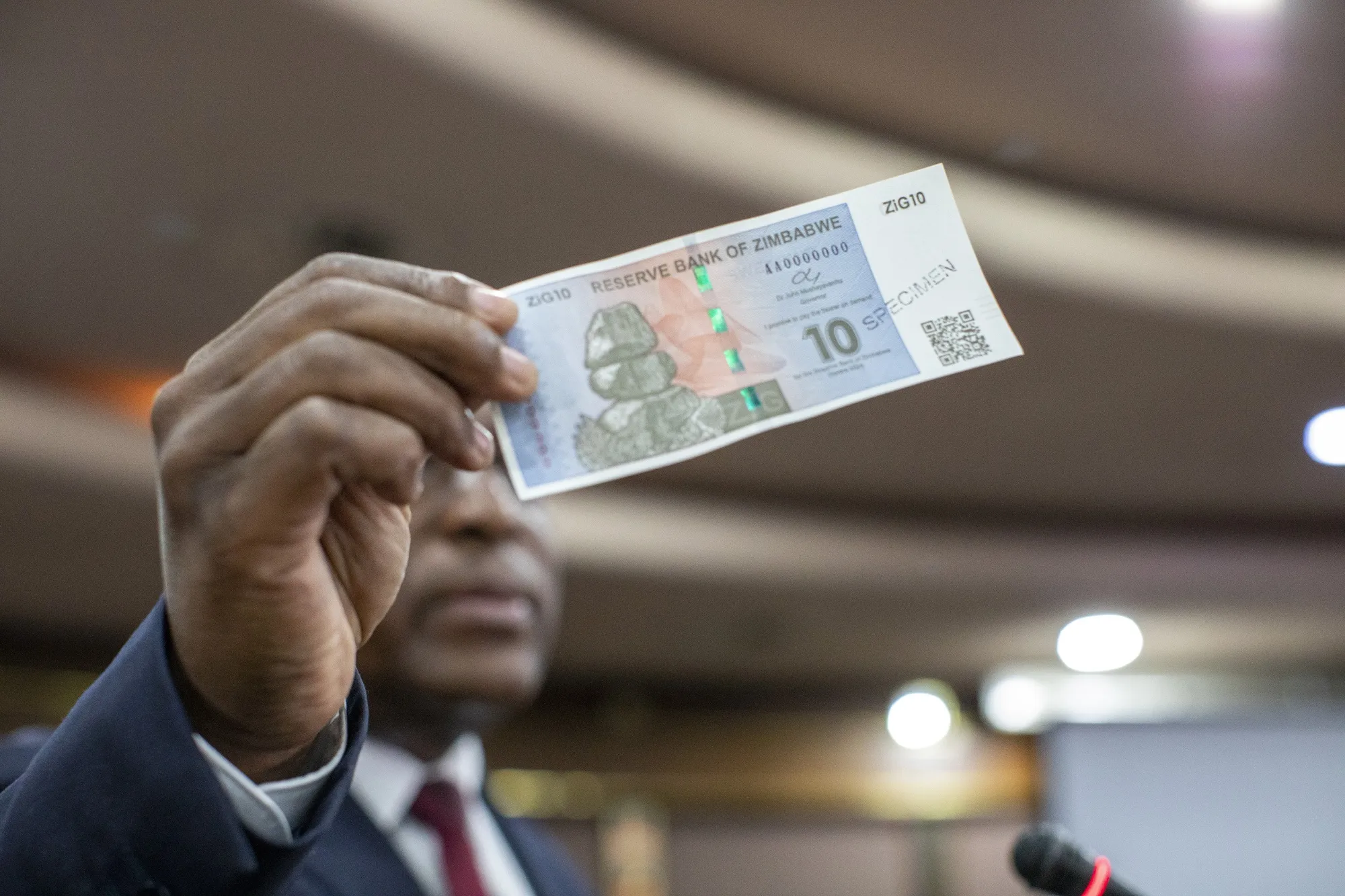
The government has been pursuing a transition towards a mono-currency system, with the Zimbabwe Gold (ZiG) expected to play a central role in the country’s monetary framework.
However, concerns have persisted among businesses and the public over the timing of the transition and the potential implications for foreign currency holdings, contracts and transactions.
Matshe sought to address some of these concerns, saying the eight preconditions announced by authorities would be monitored continuously to assess the country’s readiness for the shift.
He said regular monitoring was intended to keep both the public and market participants informed about progress towards the proposed monetary arrangement.
The RBZ deputy governor also clarified that adopting a mono-currency system would not mean forcibly converting existing foreign currency deposits into local currency.
“Mono-currency does not mean that your currency or the bank notes in your account are going to be forcibly changed to local currency,” he said.
“All contracts, all foreign currency accounts will be maintained and honoured going into mono-currency.”
The assurance is significant for businesses that rely on foreign currency for imports, payments and other commercial transactions, as well as individuals and companies holding foreign currency deposits.
Matshe further emphasised the importance of coordination between monetary and fiscal authorities, saying policy alignment had been central to efforts to stabilise the economy.
“Monetary policy and fiscal policy complementarity is key in everything that the Reserve Bank does in support of this economy,” he said.
He added that closer coordination between the two policy arms had helped support economic stabilisation, which authorities want to sustain as the country moves towards its longer-term monetary objectives.
Zimbabwe adopted a multicurrency system in 2009 following a period of hyperinflation that severely undermined confidence in the domestic currency. The country subsequently reintroduced local currencies while retaining foreign currencies, particularly the United States dollar, as important means of payment.
The planned transition to a mono-currency system therefore remains a significant economic policy undertaking, with its success dependent on market confidence, economic stability and the ability of the domestic currency to support business activity.
Read the original article on 263Chat.