Introduction
Zimbabwe is experiencing a transformative moment.
Through a methodical, brick-by-brick strategy, the Second Republic is systematically rebuilding the nations tourism infrastructure and cultural institutions, positioning the country to emerge as Africas premier destination for international visitors.
This comprehensive approach combines modern road networks, world-class border facilities, historical preservation, and cutting-edge cultural centres to create an unparalleled experience for travellers from across the globe.
What was once envisioned has now become reality: a nation consciously crafting its future as a continental tourism superpower.
The infrastructure revolution
The completion of the Trabablas Mbudzi Interchange has revolutionised motoring efficiency for tourists arriving in Harare via the Masvingo corridor.
This strategically engineered junction eliminates congestion and provides seamless connectivity to the capitals major destinations, allowing visitors to experience Zimbabwes capital without frustrating delays.
Simultaneously, the ongoing construction of the Mabvuku Road Interchange along the Mutare Road corridor ensures that visitors travelling to the eastern regions encounter world-class infrastructure comparable to international standards.
These engineering marvels demonstrate the Second Republic`s commitment to removing barriers to tourism enjoyment.
The renovated Beitbridge Border Post represents more than administrative efficiency: it symbolises Zimbabwe`s commitment to hospitality.
With the enhanced customs clearance procedures and the aesthetically transformed facilities, visitors immediately encounter a nation conscious of its image and welcoming of foreign investment and tourism.
International examples like Singapores Changi Airport and Portugals Cristiano Ronaldo International Airport have demonstrated that border facilities profoundly influence visitor perceptions. Zimbabwe`s investment in the Beitbridge Border Post sends a powerful message: this is a country that welcomes the world with dignity and efficiency.
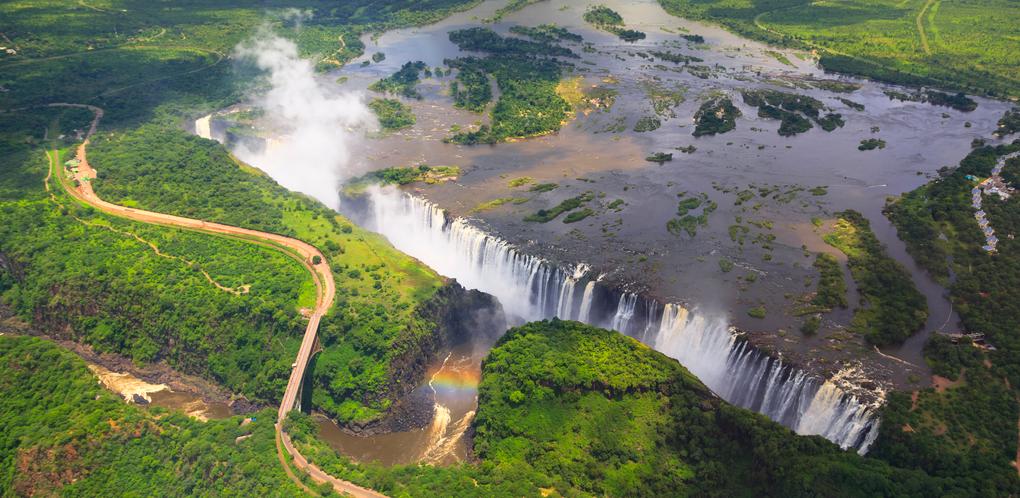
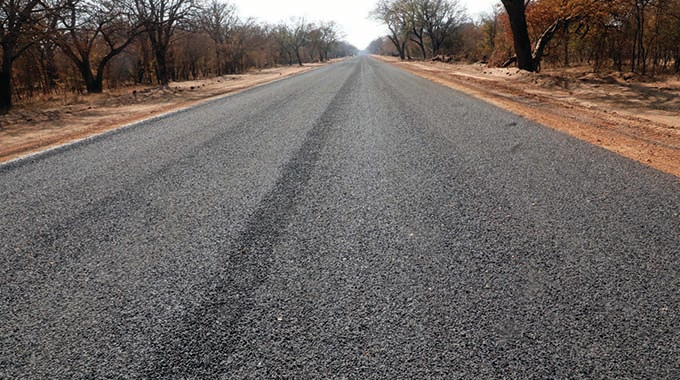
The Victoria Falls road project deserves particular attention. By creating a dedicated, premium-quality road network leading to one of the world`s natural wonders, Zimbabwe amplifies this incomparable asset.
The corridor facilitates self-drive tourism, a growing global trend exemplified by New Zealands success with its scenic highways and Australias Great Ocean Road.
Visitors will traverse beautifully maintained roads framed by the natural splendour of the Zimbabwean landscape, creating Instagram moments and lasting memories that will be shared across global social media platforms.
Water, development and natural wonders
The completion of Tokwe Mukosi Dam represents both practical development and tourism potential. Beyond providing water security for Zimbabwe`s communities and agricultural sectors, this engineering marvel introduces new tourism sites for adventure seekers and nature enthusiasts.
Dams worldwide have become leisure destinations: Turkey’s dams attract water sports tourists, while China’s Three Gorges Dam welcomes hundreds of thousands annually. Tokwe Mukosi will similarly position Zimbabwe as an adventure tourism destination, offering water-based activities including boating, fishing and water sports within a spectacular natural landscape.
Cultural heritage as tourism gold
The rehabilitation of Great Zimbabwe stands as a cornerstone of Zimbabwe`s tourism strategy.
This UNESCO World Heritage Site represents over a thousand years of African ingenuity and civilisation, predating European contact and showcasing sophisticated architectural and urban planning.
By restoring and enhancing accessibility to the ruins, Zimbabwe reclaims a narrative often marginalised in global consciousness. Similarly, the proposed Isizinda Cultural Village in Maphisa, Matobo District, exemplifies the nation`s commitment to preserving living heritage and empowering communities.
This ambitious project, set to debut on April 18, 2026 Independence Day celebrations in Matabeleland South Province, will showcase traditional Ndebele culture, craftsmanship, and hospitality.
The proposed Arts and Heritage Centre complements these initiatives by creating modern institutional spaces for cultural expression and education. Kenya`s Nairobi National Museum and
South Africa`s Apartheid Museum demonstrates how well-designed cultural facilities catalyse tourism growth and foster national pride.
Zimbabwe`s new centres will position local artists, historians and cultural practitioners as ambassadors to the world, while generating sustainable employment within the creative economy.
The Second Republic recognises that culture is economic capital.
Empowering creative industries
Fundamentally, this brick-by-brick strategy prioritises creative and cultural industries as engines of national development.
The construction of state-of-the-art cultural centres provides platforms for artists, musicians, sculptors, and craftspeople. By connecting these creators directly with international tourists, Zimbabwe transforms cultural heritage into economic opportunity.
Rwandas focus on cultural tourism has yielded remarkable returns; Zimbabwes approach mirrors this success formula, recognising that authenticity and cultural pride create profound visitor experiences that transcend mere sightseeing. Local artisans and performers become integral parts of Zimbabwe`s tourism brand.
Building momentum
The beauty of Zimbabwe`s brick-by-brick approach lies in its comprehensiveness. Rather than attempting massive, monolithic changes that strain resources, the nation is strategically implementing interconnected projects that reinforce one another.
Better roads lead to Great Zimbabwe; improved borders facilitate entry to Victoria Falls; cultural villages create reasons to stay longer. This integrated vision demonstrates sophisticated planning and execution. The Second Republic`s consistent delivery on these projects instils confidence both domestically and internationally.
A nation transformed
Zimbabwe`s brick-by-brick strategy represents nothing less than national reinvention. The Second Republic has recognised a fundamental truth: tourism prosperity depends on meticulous attention to infrastructure, cultural preservation, and international-standard hospitality.
From the Trabablas Mbudzi Interchange to the Isizinda Cultural Village, from the renovated Beitbridge to the Victoria Falls corridor, each initiative reinforces a cohesive vision.
Zimbabwe is no longer simply a destination with remarkable natural attractions; it is becoming a comprehensively developed tourism ecosystem where every element works harmoniously.
As these projects mature throughout 2026 and beyond, travellers worldwide will discover what Zimbabweans have always known: that this nation possesses unparalleled beauty, cultural richness, and warm-hearted hospitality. The Second Republic has not merely restarted the nation: it has repositioned it on the continental stage. The world is about to experience Africa`s newest superpower in tourism.
Charles Mavhunga co-authored textbooks in Business Entrepreneurial Skills and is currently studying for a Ph.D. in Management at Bindura University. He can be contacted at harles.mavhunga@gmail.com. Cell:0772989816