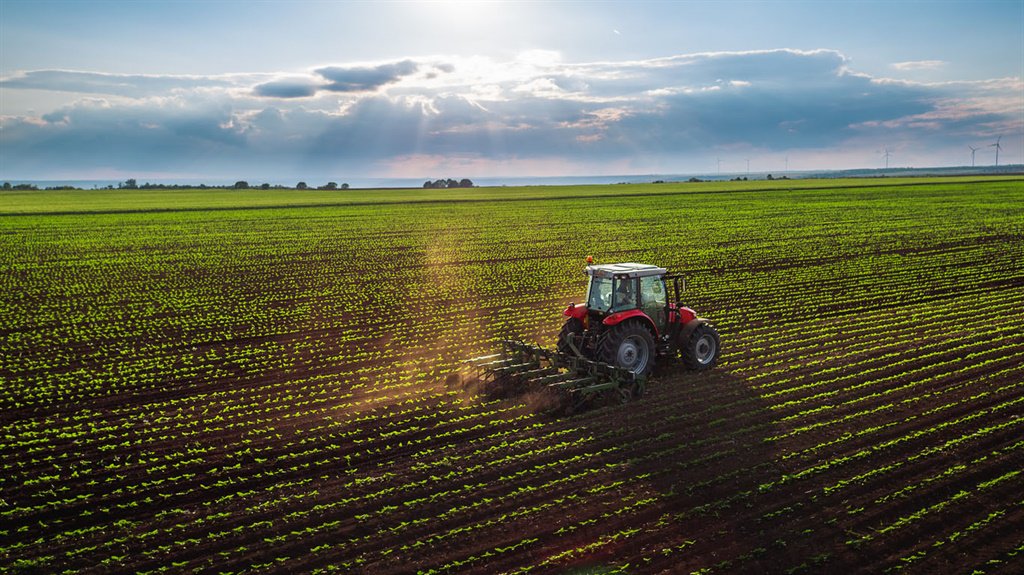
In many parts of Zimbabwe, mbanje has long been interwoven into traditional medicinal and spiritual practices. IN the rolling highlands and lowlands of Manicalandprovince, Tendai Mupfumi tends to his lush, vibrant cannabis crop, popularly known as mbanje across the country, a stark contrast to the poverty that once defined his life.
“This plant has given me a future,” he states boldly, his weathered hands tracing the delicate leaves.
“But the path here hasn’t been easy. It has been a long haul.”
Mupfumi’s story is just one thread in Zimbabwe’s complex cannabis tapestry — a narrative of economic transformation, social upheaval and a desperate quest for regulation amidst the green gold rush.
In many parts of Zimbabwe, mbanje has long been interwoven into traditional medicinal and spiritual practices.
So for smallholder farmers like Mupfumi, it’s not just an economic crop, but something with deep cultural roots and meaning.
As the country navigates the uncharted terrain of legalised cannabis, communities, law enforcement and policymakers grapple with weighty questions.
How do we ensure this burgeoning industry benefits those who need it most, rather than lining the pockets of the unscrupulous and greedy?
And what are the far-reaching social and public health implications of this crop’s rise to prominence?
This in-depth feature story delves into the heart of Zimbabwe’s cannabis conundrum, giving voice to local farmers, law enforcement agents, social workers and health experts shaping this critical national debate.
Through their stories, a nuanced portrait emerges — one that illuminates both the promise and the peril of this green revolution.
For Mupfumi and thousands of smallholder farmers like him, the legalisation of cannabis cultivation has been a game-changer.
“Before, I could barely feed my family,” he recounts.
“Now, I’m able to send my children to school and invest in my community.”
His co-operative, which pools resources and negotiates fair prices, has become a lifeline for marginalised growers.
But the rise of this “green gold” has also attracted the attention of powerful business interests and unscrupulous operators.
“We’re seeing an influx of big companies trying to monopolise the market,” warns Sikhanyiso Ndlovu, a social development expert.
“The small-scale farmers, the true backbone of this industry, are being pushed out.”
Law enforcement agents, tasked with navigating this delicate landscape, find themselves caught between economic realities and public health concerns.
“It’s a constant balancing act,” says a police inspector, speaking anonymously.
“We want to support the legitimate farmers, but also ensure the product is safe and the profits aren’t fuelling criminal enterprises.”
The public health implications loom large as well.
“Cannabis use, especially among youth, can have serious consequences,” cautions Chiedza Maponga, a leading psychiatrist.
“We’re seeing a rise in addiction, psychosis and other mental health issues.
“But we also know the plant has medicinal properties that could benefit our healthcare system.”
Amid these complex dynamics, policy experts are grappling with how to strike the right balance.
“It’s a delicate dance,” admitted Jacob Mutasa, a policy analyst based in Manicaland.
“We want to harness the economic potential of this crop, but not at the expense of our communities’ wellbeing,” he pointed out.
The Lands, Agriculture, Fisheries, Water and Rural Development ministry has implemented a robust licensing system, requiring farmers to undergo training and adhere to strict quality control measures.
But critics argue that the bureaucratic hurdles and high fees put small-scale growers at a disadvantage.
“The government needs to do more to protect the vulnerable farmers,” observes Mupfumi.
“We’re the ones who have been growing this plant for generations, but now we’re being marginalised in our own backyard.”
The government has approved the establishment of the Green Industry Fund to promote local beneficiation to such crops, skills transfer and development of the local pharmaceutical industry.
The operational framework is administered through Zimbabwe Investment and Development Agency (Zida)’s One Stop Investment Services Centre, according to a recent Zida statement.
This initiative provides loans and technical support to smallholder farmers and offers a glimmer of hope.
Yet Ndlovu believes that a more holistic approach is needed.
“While the Green Industry Fund is a step in the right direction, we need a more comprehensive strategy to truly empower smallholder farmers and address the systemic inequities they face,” he asserted.
Further, experts note that Zimbabwe is offering international cannabis investors the option of owning 100% of their operations and the right to choose where in the country they would like to invest.
“This is a major departure from the country’s existing foreign investment regime which requires significant local shareholding in any such venture,” said Mutasa.
“We have to address the systemic inequities that have kept these communities in poverty.
“Otherwise, we risk perpetuating a cycle of exploitation, no matter how well-intentioned the policies may be.”
As the sun sets over the rolling highlands and lowlands of Manicaland, Mupfumi reflects on his journey.
“This plant has the power to transform lives, but only if we do it the right way — with compassion, justice and a commitment to the people who have nurtured it for centuries.”
It’s a sentiment that echoes across Zimbabwe’s cannabis landscape, a rallying cry for a future where opportunity and responsibility coexist, and the “green gold rush” benefits those who need it most. -newsda