ECONOMIC analysts believe Zimbabwe is poised for its strongest consecutive two-year growth cycle in recent years, as it looks to begin the next five-year economic development plan, the National Development Strategy 2 (NDS2).
Zimbabwe’s other two outstanding two-year growth cycles in the country’s economic history include 1980 (10,7 percent and 1981 (9,7 percent), as well as 2021 (8,5 percent) and 2022 (6,5 percent).
This comes as the economy is expected to register a 6,6 percent expansion, after growing by more than eight percent in the first- half, following a strong rebound from the impact of the El Niño-induced drought in 2024, when growth slowed down from 5 to 2 percent.
Presenting the 2026 national budget on Thursday, Finance, Economic Development, and Investment Promotion Minister Mthuli Ncube projected economic growth to come in at a solid 5 percent next year.
The strong growth, the minister said, would be underpinned by manufacturing, agriculture, mining, electricity generation, infrastructure and wholesale and retail trade.
Further economic stability, amid the tight fiscal and monetary policy stance and good rains to support one of the strategically key sectors, agriculture, will also anchor strong economic performance next year.
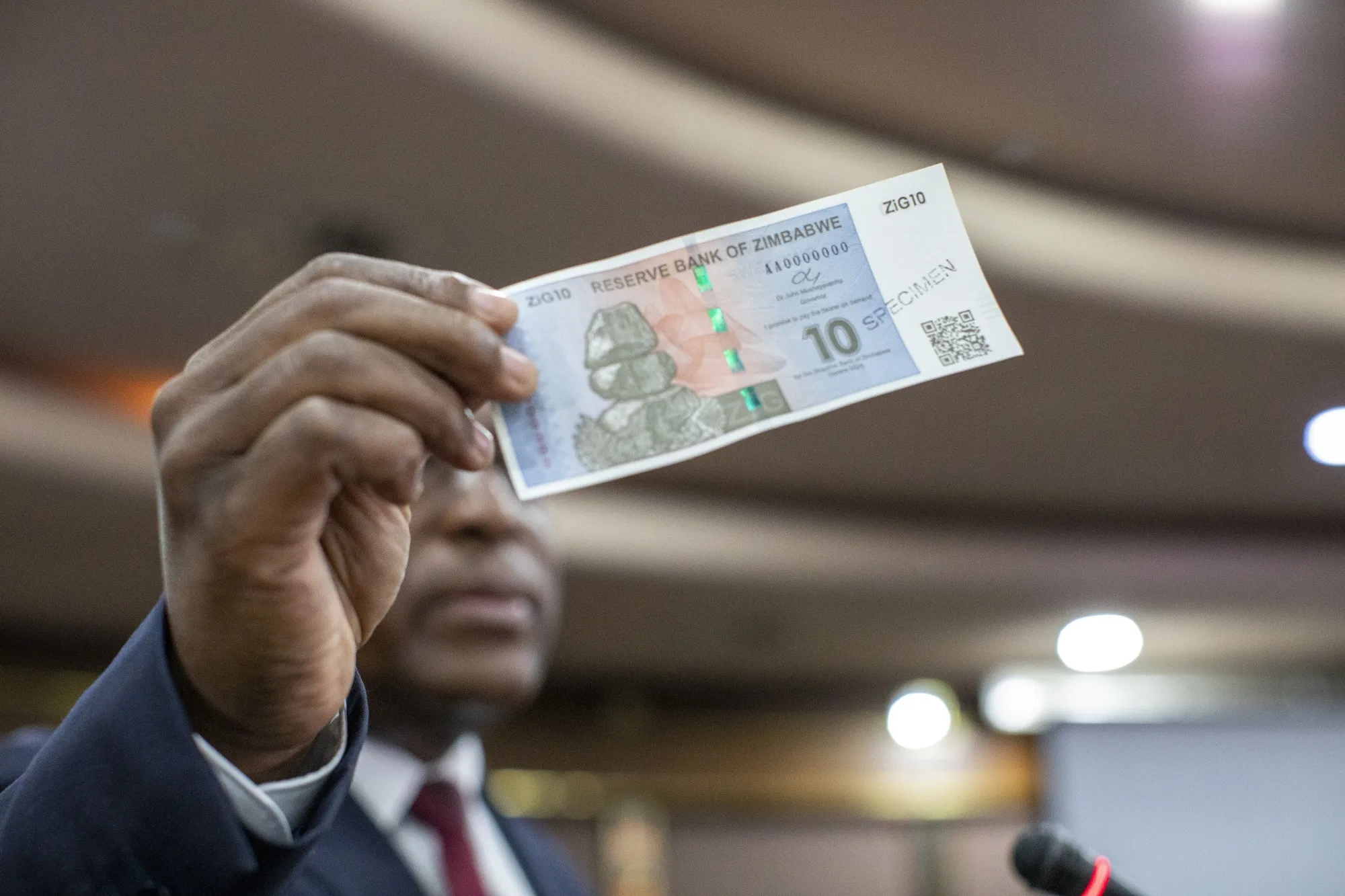
This comes as the country has enjoyed prolonged stability since introducing a new domestic currency in April last year, following several intermittent periods of volatility due to high inflation and exchange rate instability.
Minister Ncube stressed that the 2026 national budget plan was crafted with a view to balancing the gains achieved under the National Development Strategy 1 (NDS1).
The Treasury chief also said the national budget sought to safeguard fiscal sustainability and anchor long-term macroeconomic stability.
He said the forthcoming fiscal blueprint arrives at a pivotal moment in Zimbabwe’s economic journey, marking the beginning of NDS2, which will guide economic policy for the remainder of the decade.
NDS2 will usher Zimbabwe towards its Vision 2030 target of transforming the country into an upper-middle-income society.
Economist Mr Tinevimbo Shava said the revised growth forecasts signal continued economic resilience, although risks such as climate variability, global commodity price fluctuations, and tight external financing conditions remain.
“If current momentum holds, Zimbabwe is on course to record one of its strongest two-year growth cycles in recent years, as it pivots toward the implementation of National Development Strategy 2 and continues its march toward Vision 2030,” said Mr Shava.
Grant Thornton Head of Tax and Advisory Cynthia Mutasah said the budget showed the Government’s commitment to macroeconomic stability.
“The budget highlights the realignment of policies and programmes as we transition towards National Development Strategy 2.
The 2026 national budget seeks a balance between expanding on the gains of National Development Strategy 1, safeguarding fiscal sustainability, and underscoring the Government’s commitment to promote macroeconomic stability,” she said.
In its 2026 Zimbabwe National Budget Review, Axcentium Tax Advisory and Consulting Company said the budget came at a pivotal moment for Zimbabwe’s economy, acting as a strategic bridge between stabilisation and the accelerated growth needed for Vision 2030.
“The 2026 National Budget arrives at a definitive juncture in Zimbabwe’s economic trajectory. This fiscal policy statement is more than a mere balancing of books; it is the strategic bridge between stabilisation and the accelerated growth required to realise Vision 2030,” said Axcentium.
The 2026 budget outlined several fiscal and regulatory reforms to stimulate investment, support productive sectors, and strengthen the structural transformation required for the attainment of Vision 2030, Zimbabwe’s target of becoming an upper-middle-income society.
Minister Ncube said the budget was not merely a statement of expenditures and revenues but a strategic tool that links the stabilisation efforts of recent years to the growth momentum expected under NDS2.
“The 2026 National Budget revenue measures seek to consolidate the gains achieved under the National Development Strategy 1 (NDS1) and lay the foundation for the transition to NDS2.
“The proposed measures are targeted at supporting productive sectors, providing relief to taxpayers, and minimising avoidance and evasion, whilst ensuring fairness, efficiency, and simplicity in the tax system,” said Minister Ncube.
He added that while the path to an upper-middle-income society is steep, prudent fiscal management, sustained reforms, and stronger productivity across economic sectors provide a credible foundation for progress.
The 2026 budget includes measures aimed at strengthening revenue mobilisation, enhancing the competitiveness of local industry, supporting investment in key sectors such as mining, agriculture, energy, and manufacturing, and improving social service delivery.
As NDS2 comes into focus, analysts say successful implementation of fiscal reforms, continued macroeconomic stability, and strong coordination across the Government will be critical to ensuring that the aspirations of Vision 2030 remain within reach.The 2026 National Budget arrives at a definitive time in Zimbabwe’s economic trajectory as NDS1 comes to an end, and the pivot is now towards the commencement of NDS2.
This fiscal policy statement is the strategic bridge between stabilisation and the accelerated growth required to realise Vision 2030.
The Treasury expects the economy to maintain its positive growth trajectory into 2026, with gross domestic product projected to expand by five percent.
The outlook is anchored on continued resilience across key sectors and the anticipated benefits of business reforms and investments implemented during the implementation of NDS1.
In 2026, agriculture is projected to grow by 5,4 percent, supported by expanded irrigation, increased mechanisation and improved input availability, while mining and quarrying are forecast to rise 6,3 percent, owing to sustained investor interest and growing output from new and existing operations.
The manufacturing sector is expected to grow by 3,7 percent, with local industry benefiting from import substitution, value-addition initiatives, and improved power supply.
Electricity generation is projected to increase by 6,5 percent, while wholesale and retail trade — an important indicator of consumer demand — is projected to expand 7,4 percent as overall economic activity strengthens.-herald