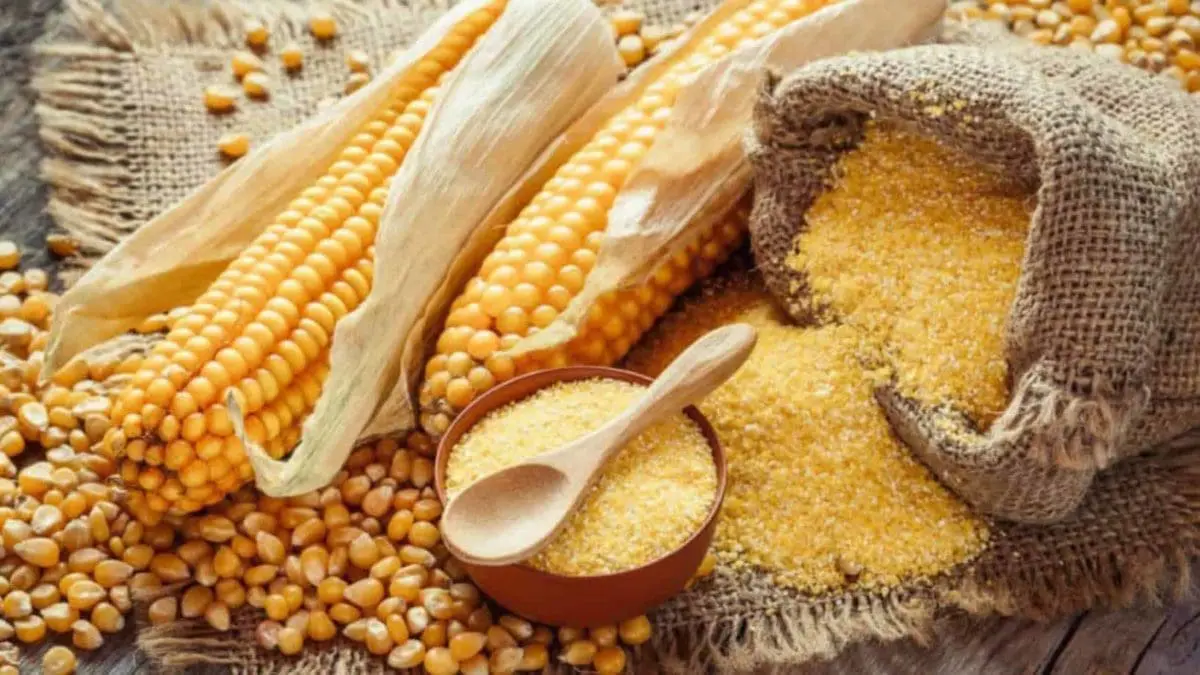
Zimbabwe’s improved maize harvest in 2025 significantly reduced the country’s imports, cutting volumes by 37 percent in the 10 months to November and easing pressure on scarce foreign currency amid rising global grain prices.
Official figures from the Zimbabwe National Statistics Agency (ZimStat) show maize imports fell to about 947 100 tonnes, from 1,5 million tonnes imported during the same period in 2024.
The roughly 563 000 tonnes drop reflects improved domestic supply performance following a strong recovery in agricultural output after the drought-hit 2023/24 season.
Zimbabwe’s 2024/25 maize production was driven by favourable weather, especially better rains in the latter half of the season and an increased area planted, with Government support and initiatives boosting farmers’ confidence.
Imports were concentrated in the first three months of 2025, before the harvest, and in October and November.
During the other six months, imports averaged 44 000 tonnes per month, pointing to a sustained slowdown as local maize entered the market.
In value terms, Zimbabwe spent US$500,4 million on maize imports over the period, US$10,4 million less than in 2024.
The smaller decline in the import bill was largely due to higher global prices.
In February 2025, white maize spot prices surged to US$355,88 per tonne, driven by tight physical stocks and traders rushing to close positions near the end of contract months.
Economist Mr Tinevimbo Shava said the reduction in volumes still delivered meaningful foreign currency savings.
“If the country had imported the same quantities as in 2024, the foreign currency outflow would have been far higher given the price environment in 2025,” he said, adding that stronger domestic production helped cushion the economy from external shocks.
According to ZimStat, maize production reached 1, 82 million, nearly triple last season’s 635 000 tonnes.
Communal areas produced 794 105 tonnes, accounting for 44 percent of national output, with Mashonaland West emerging as the largest producer.
However, production remains below the annual demand of about 2 million tonnes, prompting millers and stockfeed manufacturers to apply for permits to import 266 000 tonnes, according to the Agricultural Marketing Authority.
Agronomist Ms Pamela Macheka said future gains must come from higher productivity rather than expanding hectarage.
“Improving yields per hectare through better agronomic practices is key to sustaining production and reducing imports,” she said.
The Government has since introduced measures to promote local procurement, including minimum local sourcing thresholds for processors from 2026.-herald