Zimbabwe`s tourism sector is poised for transformation through a three-tiered strategy that highlights tourism sites, heritage sites, and sacred sites.
This strategic segmentation offers a comprehensive framework for elevating Zimbabwes international tourism profile while preserving the cultural and spiritual essence that defines the nations identity.
The three-tiered approach mirrors successful global tourism models, providing visitors with diverse experiences ranging from natural wonders to historical landmarks and spiritually significant locations.
Tourism experts argue that this classification system facilitates better destination marketing and ensures sustainable preservation of Zimbabwe`s extraordinary cultural wealth.
Tourism Sites: Natural Wonders Drawing Global Interest
Zimbabwes tourism sites represent the nations most internationally recognised attractions, drawing visitors from across the globe seeking adventure and natural spectacle.
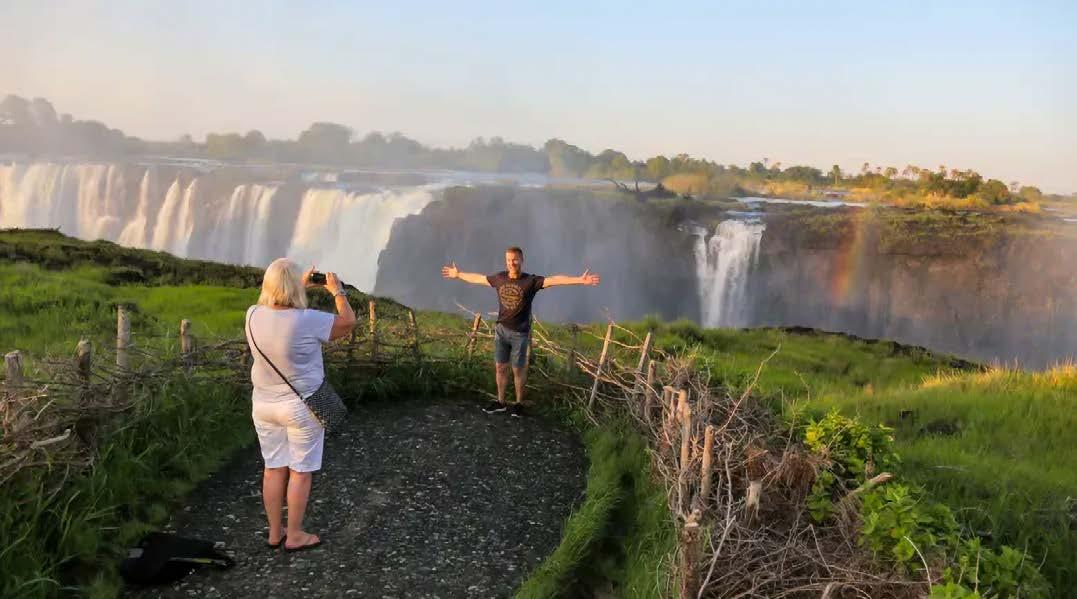
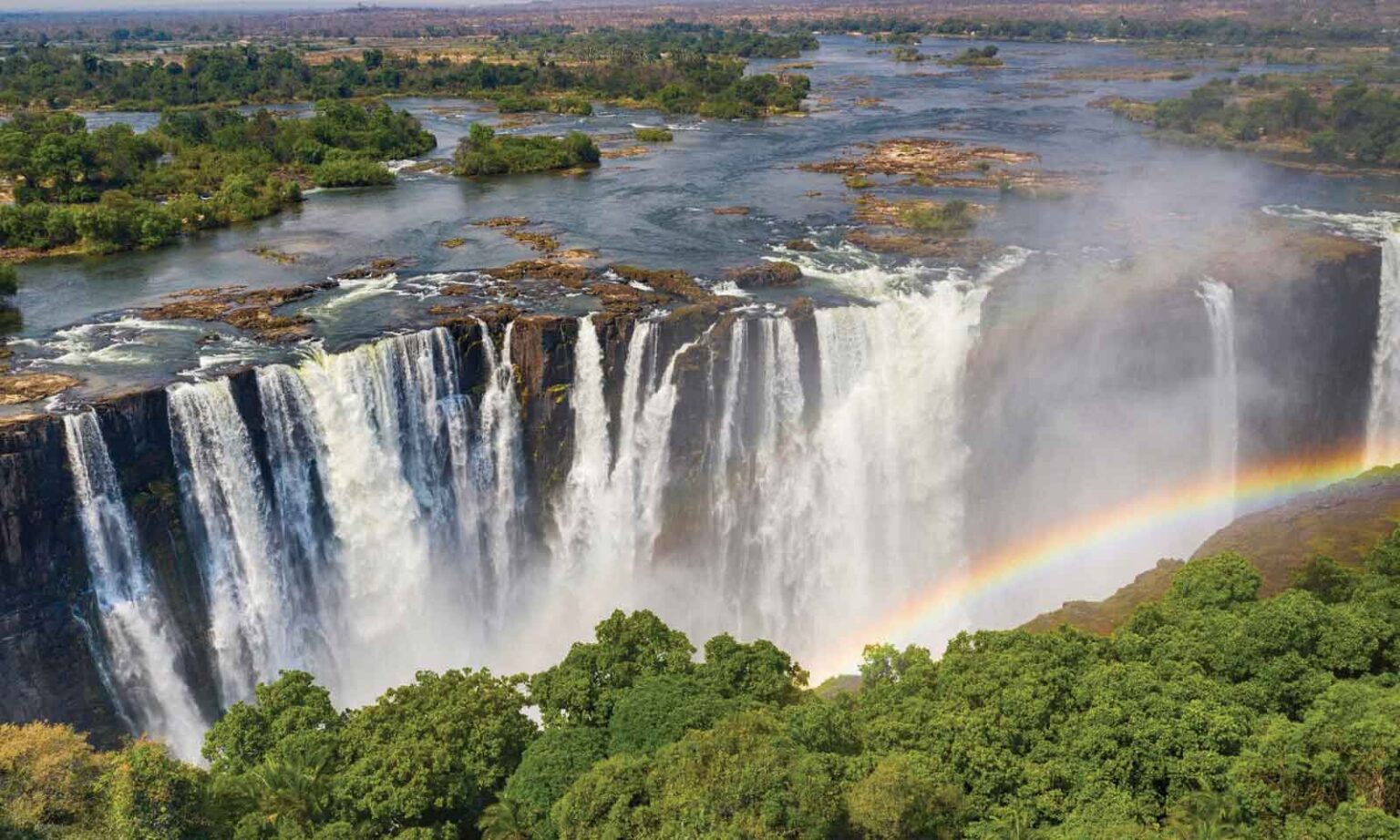
Mosi-oa-Tunya, arguably the country`s most famous attraction, showcases the raw power of nature while positioning Zimbabwe alongside other world-renowned destinations.
The parallel to the global tourism phenomenon is striking.
Much like Niagara Falls on the US-Canadian border, which attracts approximately 30 million visitors annually, Mosi-oa-Tunya generates substantial international interest and revenue.
Located on the Zambezi River bordering Zambia, this UNESCO World Heritage Site delivers an awe-inspiring experience that justifies the moniker “The Smoke That Thunders.”
In addition to Mosi-oa-Tunya, Zimbabwe boasts remarkable water-based tourism assets such as Lake Kariba and newly established dams like Muchekeranwa Dam in Mashonaland East and Tokwe Mukosi Dam in Masvingo, along with several other emerging reservoirs that are rapidly becoming prominent tourist attractions.
Lake Kariba, an expansive man-made lake formed by the Kariba Dam and stretching along the Zimbabwe-Zambia border, offers a wide range of recreational opportunities on the water.
Its appeal is comparable to Lake Mead in Nevada, which has served as a major catalyst for tourism in the United States, highlighting Lake Kariba’s potential to anchor Zimbabwe’s regional tourism development.
The Hwange National Park represents Zimbabwe`s wildlife tourism potential, housing diverse animal populations including elephants, lions, and endangered species.
This positioning mirrors the Serengeti National Park in Tanzania, which attracts hundreds of thousands of safari enthusiasts annually and serves as a flagship tourism destination for East Africa.
Heritage Sites: Preserving Historical Narratives
Zimbabwes heritage sites category encompasses locations of historical, archaeological and cultural significance that narrate the nations complex and fascinating past.
These sites function as open-air museums, offering insights into pre-colonial civilizations, colonial history, and post-independence development.
Great Zimbabwe, the nation`s most celebrated heritage site, stands as a testament to sophisticated pre-colonial African civilization. This medieval stone city, constructed between the 11th and 15th centuries, rivals Machu Picchu in Peru as evidence of advanced architectural planning and urban organisation in non-European contexts. Like Machu Picchu, which attracts over one million visitors annually and generates substantial tourism revenue, Great Zimbabwe possesses immense potential for heritage tourism development.
The stone structures at Great Zimbabwe, with their distinctive mortarless construction technique, demonstrate technological mastery comparable to historical sites like Angkor Wat in Cambodia.
Both represent pinnacles of their respective civilisations and serve as anchors for regional tourism economies.
Khami Ruins, another significant heritage site near Bulawayo, showcases terraced stone walls and architectural sophistication rivaling sites like Mesa Verde in Colorado.
These structures provide archaeological evidence of Zimbabwean kingdoms and their organisational capabilities, contributing to Africa’s historical narrative on the global stage.
The Rock Art sites scattered throughout Zimbabwe, particularly in the Matobo Hills, present archaeological treasures comparable to the Chauvet Cave in France or Aboriginal rock art sites in Australia. These ancient artistic expressions connect contemporary Zimbabweans with their ancestors and offer visitors tangible links to human creative expression across millennia.
Sacred Sites: Spiritual Dimensions of Zimbabwes Heritage Sacred sites represent Zimbabwes most intimate connection to spiritual and cultural identity.
These locations hold profound significance in traditional belief systems, ancestor veneration practices, and contemporary spiritual life. Unlike heritage sites, which emphasise historical documentation, sacred sites prioritise the living spiritual experiences of communities.
Njelele, the sacred shrine in Matobo Hills, functions similarly to Mount Kailash in Tibet or Uluru in Australia: locations where spiritual traditions remain vibrant and ongoing.
These sites demand respectful tourism management that honours indigenous spiritual practices while allowing controlled visitor access.
The Mwari caves represent another category of sacred significance, associated with the traditional Shona deity and serving as pilgrimage destinations for believers seeking spiritual guidance.
This parallels the role of places like Varanasi in India, where Hindu pilgrims engage in spiritual practices at locations of immense religious significance.
Chimurenga historical sites carry dual significance as both heritage and sacred locations, commemorating liberation struggle heroes whose spiritual presence honors Zimbabweans.
These sites function similarly to the Vietnam Veterans Memorial in Washington, D C, or Auschwitz in Poland: locations where historical tragedy and heroism intersect with ongoing spiritual remembrance.
Integration and Economic Potential
Successful global examples demonstrate that integrated heritage tourism development generates significant economic benefits. Egypt leverages archaeological heritage sites; Peru capitalises on Machu Picchu; Greece combines island tourism with classical heritage sites.
Zimbabwe possesses comparable assets requiring strategic development and international marketing.
The three-category framework enables targeted conservation efforts, appropriate visitor management, and revenue generation strategies tailored to each site category. Tourism sites require infrastructure investment; heritage sites require archaeological expertise and interpretive development; sacred sites require community engagement protocols.
Conclusion
Zimbabwe`s classification of heritage resources into three strategic tourism categories positions the nation to compete meaningfully in global tourism markets while protecting cultural and spiritual integrity. Through studying successful models from destinations including Peru, Egypt, Tanzania and India, Zimbabwe can develop management frameworks that generate economic benefits whilst respecting cultural values.
The challenge ahead involves translating these remarkable heritage assets into sustainable tourism revenue while ensuring that preservation, education, and community empowerment remain paramount. With strategic investment and thoughtful development, Zimbabwe`s heritage tourism sector can become a significant economic engine, establishing the nation as a premier African destination while demonstrating that cultural preservation and economic development are complementary rather than competing objectives.
Charles Mavhunga co-authored textbooks in Business Entrepreneurial Skills and is currently studying for a Ph.D. in Management at Bindura University. He can be contacted at charles.mavhunga@gmail.com .Cell:0772989816-herald