Zimbabwe is planning a significant transformation of its rail system programme under a US$3 billion development and upgrade programme during the National Development Strategy 2 period, covering 2026 to 2030.
According to the NDS2 policy document, Zimbabwe’s medium-term economic blueprint, the projects would be funded under public-private partnerships (PPPs) and debt finance.
The largest planned investments include the upgrade of the Mutare-Harare-Chirundu rail line and the 217-kilometre new railway line linking Lion’s Den in Zimbabwe to Kafue in Zambia, at an estimated US$1,2 billion between 2027 and 2030, according to the NDS2.
The country’s medium economic blueprint, to strengthen SADC interconnectivity and improve north-south trade.
A new industrial service line, connecting the Manhize iron and steel plant with markets, is estimated to cost US$550 million, with completion targeted by 2030 under a PPP arrangement.
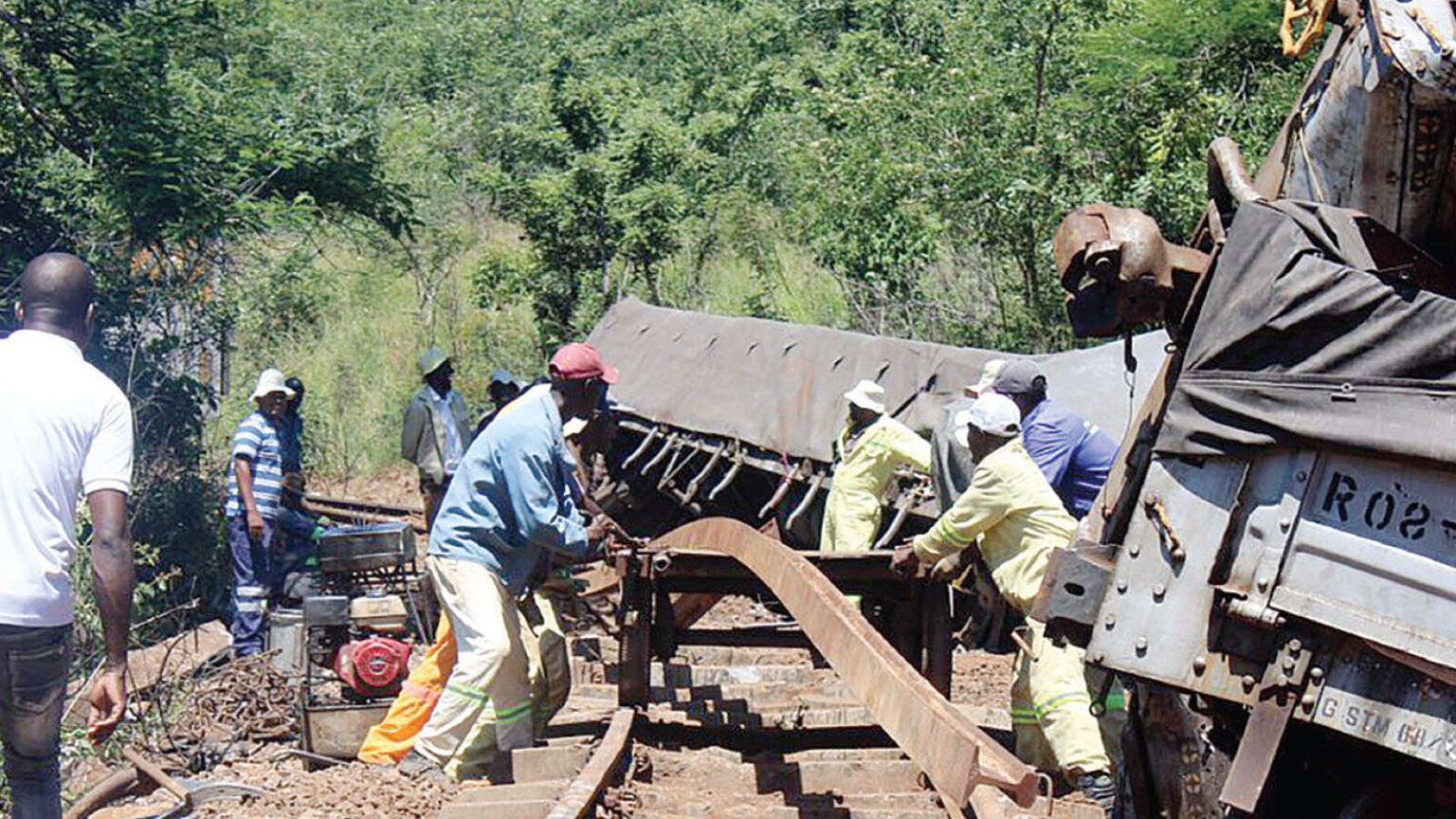
Another massive project is the planned rehabilitation of 1 700km of track, including re-sleepering, ballasting, tamping, and turnout replacement along key export-import corridors, at an estimated cost of US$480 million, which will be rolled out from 2026 to 2030 and funded by the Government, Mutapa Investment Fund (MIF) and PPPs.
“It is expected to achieve a 30 percent increase in train speed,” the blueprint says.
The purchase of 30 mainline locomotives to increase haulage capacity to over 6,7 million tonnes per year is expected to cost US$210 million and the project will be implemented between 2026 and 2029.
An estimated US$120 million has been set aside for procuring 841 new wagons and refurbishing 1 000 wagons between 2026 and 2030 to boost freight throughput and ease road congestion.
Installation of an entry-level train control and automation system over 1 000 km of track is budgeted for US$150 million from 2026 to 2029, with an additional US$30 million for completing the laying of the 735km fibre optic network backbone over 2026-2028.
Rehabilitation of 60 bridges and culverts to enhance line safety is budgeted for at an estimated US$60 million.
A dedicated US$25 million project over 2027-2030 will refurbish 50 passenger coaches, with air-conditioning and Wi-Fi and procure modern Diesel Multiple Units to enhance passenger comfort.
The plan also entails the planned re-electrification of the 305km Harare-Dabuka railway line, which was suspended in 2009 due to electricity supply challenges, maintenance issues, and vandalism.
“The electrification improved freight efficiency, reduced operating costs and contributed to boosting rail throughput to 12,4 million tonnes in 1998, marking a major step in modernising the national rail system.”
“However, electricity supply challenges, lack of maintenance and widespread vandalism eventually led to the suspension of electric operations in 2009 and subsequent decommissioning of the electrified section.”
During NDS2, the Government will focus on the modernisation of the rail permanent way through rehabilitation and re-electrification of the entire vandalised section, as well as expanding electrification to other viable corridors.
Furthermore, investment in appropriate rolling stock to service the electrified corridors will also be prioritised.
“NDS2 recognises that an efficient rail system is the lifeblood of the mining sector alongside other industries, allowing for the bulk movement of freight at a fraction of the cost of road transportation.
“In this regard, the revival of the country’s railway network and the National Railways of Zimbabwe, whose infrastructure gaps over the years have severely constrained production and export potential for mining houses, is pivotal to easing the major business cost drivers in the economy.”
Pursuant to this, coal mining companies in Hwange, led by Hwange Colliery Company, will partner with the Government in ambitious NDS 2 plans to refurbish the critical railway line linking the coal fields to the markets.
Private sector involvement in infrastructure development aligns with broader NDS 2 initiatives to revitalise the country’s railway network, also embracing engagement of international investors in the recapitalisation and restoration of NRZ under public-private partnerships to its former status as a key economic artery.-herald