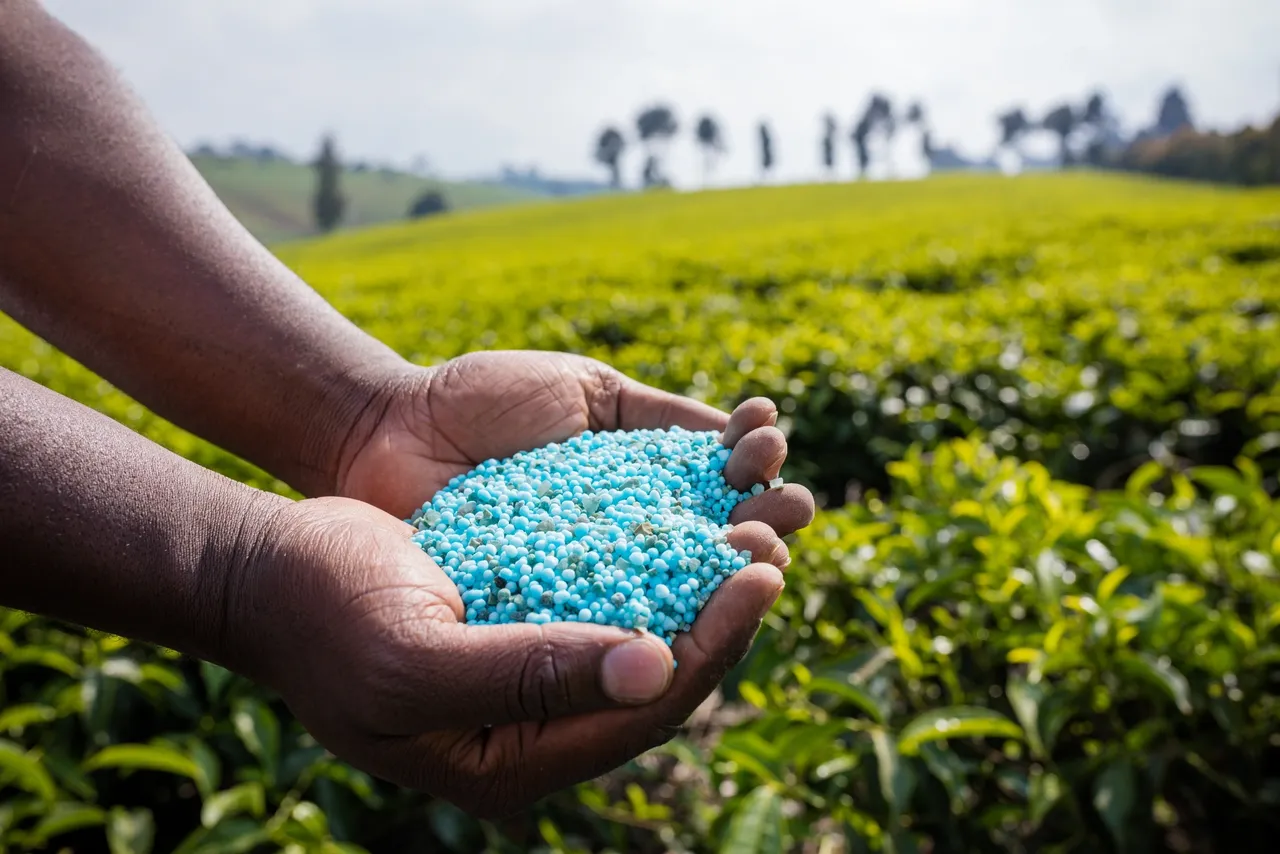
Fertiliser manufacturer Windmill Private Limited is moving steadily towards exiting corporate rescue after settling a significant portion of its US$6 million legacy debt, with management now turning its focus to recapitalisation and restoring full production capacity.
Windmill is Zimbabwe’s oldest and one of the largest privately-owned fertiliser producers, specialising in the manufacturing, formulation and distribution of agricultural inputs, including fertilisers, agrochemicals and stock feeds.AI strategy consulting
Chief executive Mr Kudakwashe Mundowozi, in an interview, said the company has already paid 40 per cent of its creditors as it implements its rescue plan initiated last year, expressing confidence that the remaining obligations will be cleared within the next two months.
“We have started to implement our rescue plan, and we have already paid 40 percent of our creditors, and we believe in the next two months we will be in a position to pay the remaining 60 percent from proceeds of land sales,” he said.
He said the company is leveraging an industrial park development in Mount Hampden as part of its debt resolution strategy.
“We are building an industrial park in Mount Hampden, which we will use to extinguish the debt that we have,” he added.
Windmill’s financial distress was largely triggered by supply chain disruptions, particularly delays in accessing critical raw materials due to late payments.
However, the firm’s shift towards foreign currency-denominated sales has improved liquidity and supplier confidence.
“The rescue plan we entered last year was due to delays for raw materials from suppliers due to late payments, but now our sales are around 90 percent in US dollars; hence, we are able to settle the suppliers who are giving us 60 to 90 days,” said Mr Mundowozi.
While the company is slowly returning to profitability, he said notable progress has been made in strengthening corporate governance, optimising costs and settling legacy obligations.
Mr Mundowozi also highlighted that the firm is pursuing venture capital as part of broader recapitalisation efforts.
Windmill operates two production facilities in Harare and Mount Hampden with a combined annual output capacity of approximately 300 000 tonnes.
The Harare plant can produce up to 1 800 tonnes per day, while the Mount Hampden facility contributes around 1 000 tonnes daily.
“Combined, we can do about 300 000 tonnes a year, and this is three-quarters of what Zimbabwe needs in terms of basal fertilisers, and we have the capacity to produce and deliver this every year,” said Mr Mundowozi.
Zimbabwe currently requires about 780 000 tonnes of combined basal and top-dressing fertilisers annually, but continues to rely heavily on imports.AI strategy consulting
Mr Mundowozi noted that about 90 percent of Windmill’s inputs are imported, a factor that continues to drive up production costs, but localisation of raw material supply could significantly reduce fertiliser prices.
“If we get them locally, fertiliser prices will be lower by at least 30 to 40 percent,” he said.
During a tour of the company by the Parliamentary Portfolio Committee on Industry and Commerce, Mr Mundowozi appealed for stronger policy support to protect local manufacturers from rising import competition.
“What we expect is more support in terms of Buy Zimbabwe, looking at local manufacturers and how they should be supported,” he said.
“We have a lot of imported competition coming in; hence, we hope that policymakers will make it mandatory for certain quotas to be sourced from local manufacturers because this will boost our market share.”
He added that while the domestic market should accommodate multiple players, local demand must primarily benefit Zimbabwean producers.-herald