Increased wheat production, value addition and integrated farming systems can unlock significant economic opportunities while lowering the cost of basic commodities such as bread, permanent secretary for Lands, Agriculture, Fisheries, Water and Rural Development, Professor Obert Jiri has said.
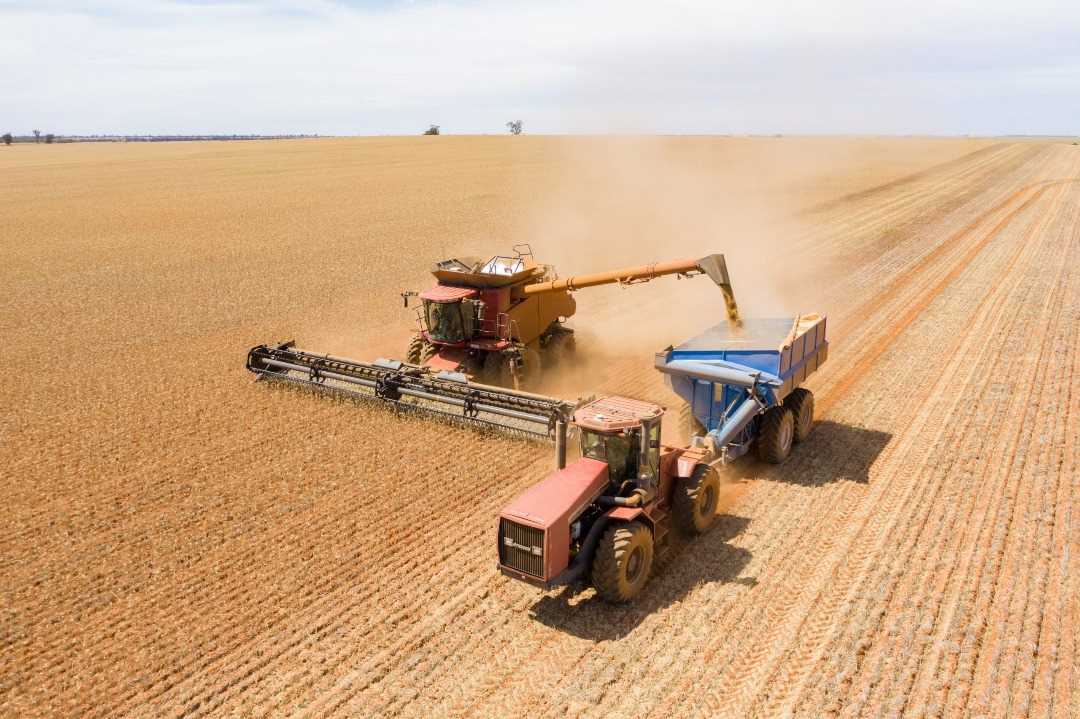
Zimbabwe achieved a record wheat production of over 639 000 tonnes in the 2025 winter season, the highest yield since 1966, significantly exceeding its annual national requirement of around 360 000 tonnes and positioning the country for potential exports.
This historic harvest was attributed to Government support, expanded irrigation, timely inputs, mechanisation and increased planting areas
Speaking during a recent field day at Riverton Farm in Masvingo, Prof Jiri said the Government was pushing for increased wheat production and local processing to reduce costs and promote food self-sufficiency.
“We want to reach a point where we produce more wheat and manufacture our own bread here in Masvingo. Once we cut out transport and other external costs, a loaf of bread should cost less than one dollar.
“With increased wheat output and on-farm bakeries, a loaf cannot continue costing a dollar. We must value-add,” he said.
Prominent wheat farmer, Mr Philmon Mutangiri, said there was high demand and substantial liquidity within the economy, which farmers could tap into by producing what the market required.
“There is high demand and a lot of money in the country from shops, individuals and factories. If you want to take money from the people, simply find what they want,” said Mr Mutangiri.
Mr Mutangiri said investment in agriculture offered immense returns.
“We grow wheat, which we send to the GMB, but part of it is processed at our on-farm bakery. We bake bread for the school and there is also a market for the bread locally.
“The price of bread is hiked up by steep transportation costs, with suppliers often traveling vast distances to reach consumers, contributing to the US$1 price tag.
“If production and processing are done locally, costs will come down. I want other farmers to emulate what I am doing and our nation prospers. Farmers must be supported by the Government and given clear targets,” he said.
Mr Mutangiri said Riverton Farm operated an integrated farming model anchored by crop production, livestock, irrigation and value addition.
The 1 900-hectare farm runs diversified enterprises covering crops, livestock and horticulture, with most outputs supporting Riverton Academy School, while surplus is channelled to the national market.
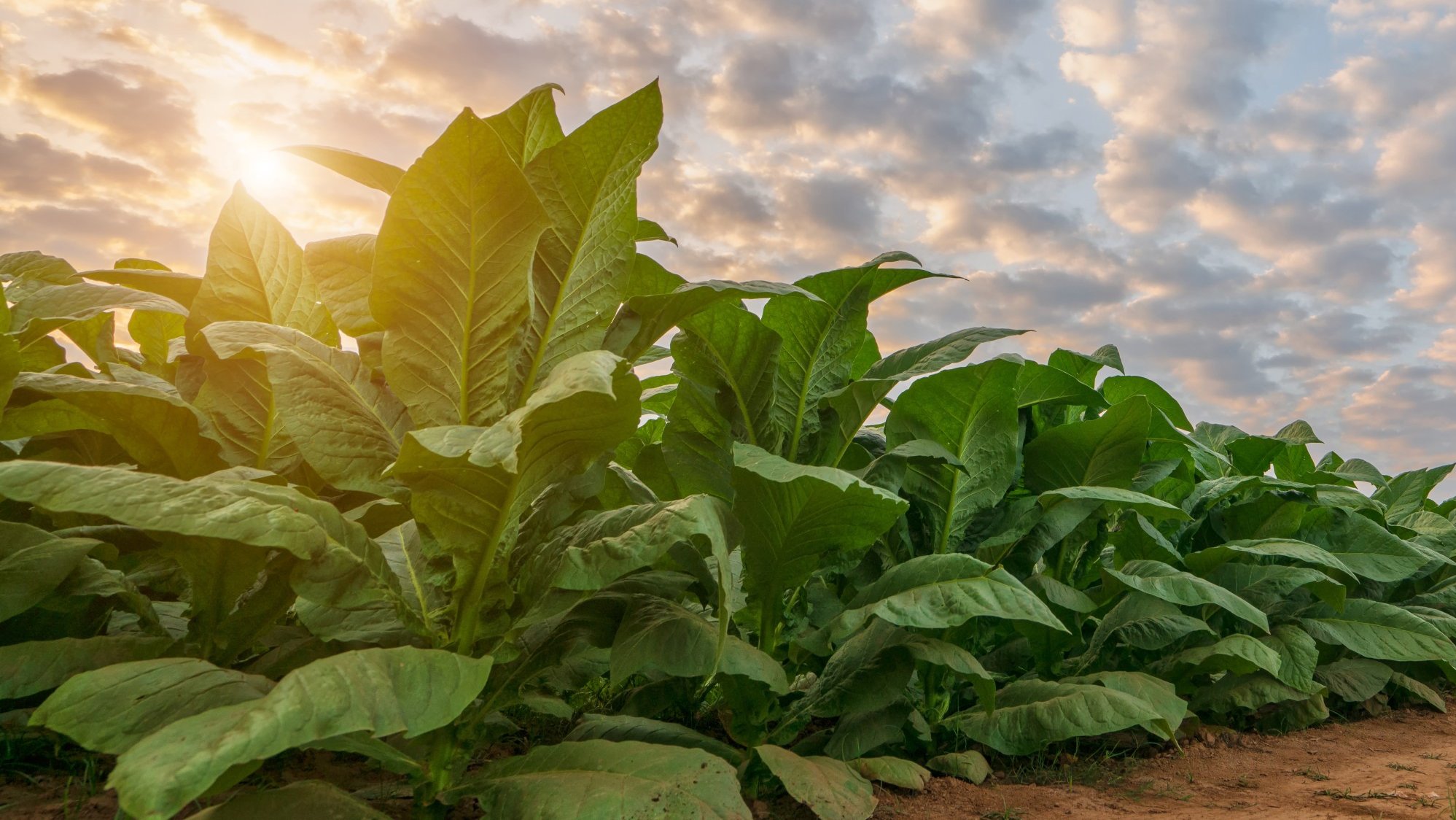
“We also grow maize during the summer season and wheat in winter. Some of the maize is delivered to the Grain Marketing Board in support of the Government’s Vision 2030, while part of it is used to feed livestock that supplies meat to the school,” he said.
Most of the farm’s field crops are produced under irrigation.
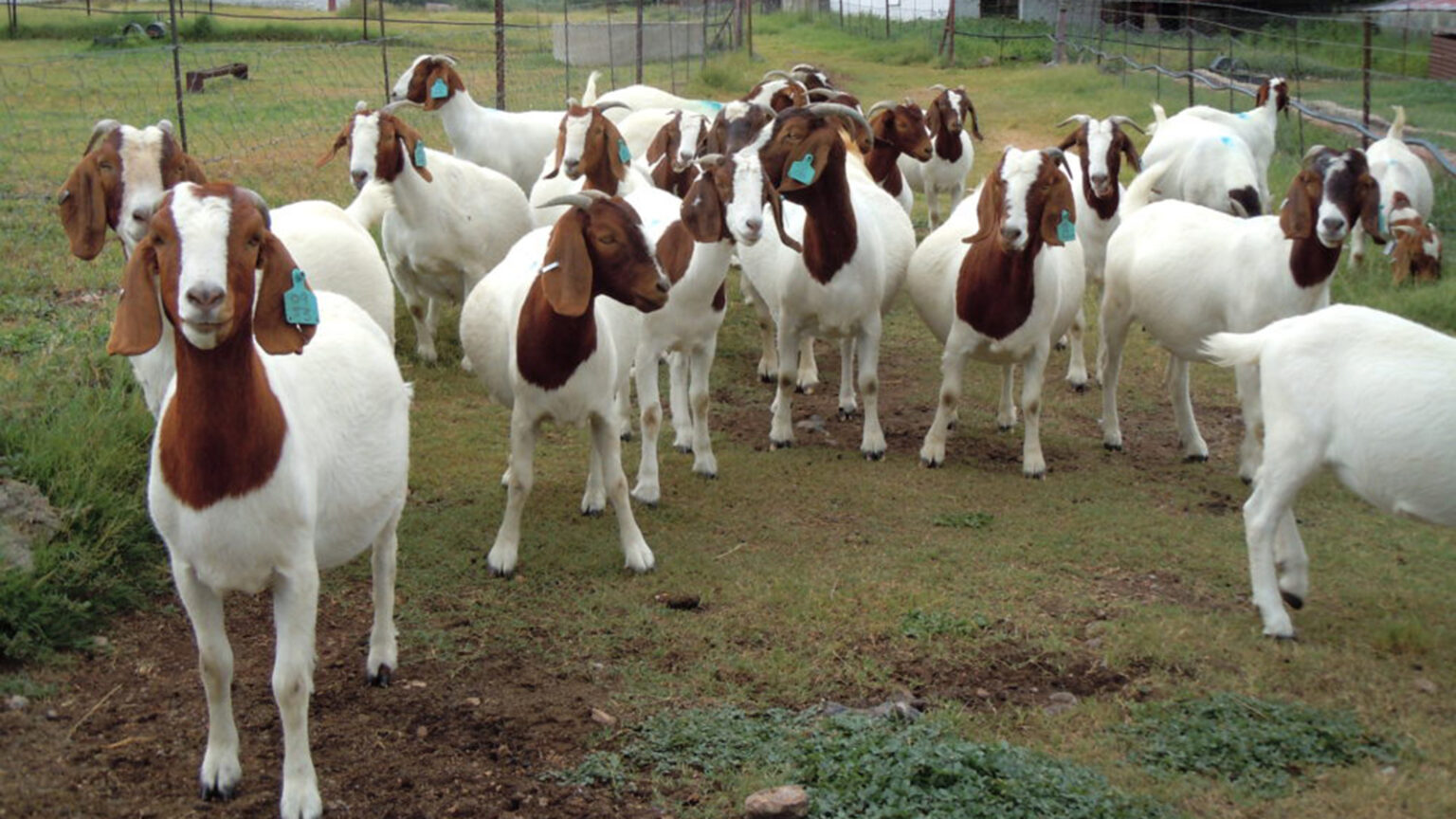
In the livestock section, Riverton Farm runs beef, dairy, piggery and poultry enterprises, including both layers and broilers.
Mr Mutangiri said his success followed a deliberate decision to fully utilise land that was previously underused.
“This farm was once a grazing area and thick forest. After visiting other productive farms and observing what our President Mnangagwa is doing himself, I realised I was wasting the land and began clearing it for farming,” he said.-herald