The Horticulture Development Council says it aims to transform the sector into a US$2,5 billion industry by 2030, driven by sustainable investment, value addition and strategic partnerships.
Mrs Linda Nielsen, the CEO of the HDC, said this at the “Horticulture Investors Pitch to the Zimbabwean Economy”, an event held in Harare on Wednesday.
The event invited investors to pitch directly to farmers and policymakers, highlighting their available capital.
As it stands, the country exports over US$120 million worth of horticultural produce annually; vast potential remains for further growth.
The sector however, requires at least US$795 million investment across a targeted 90 000–145 000 hectares for production to attain this envisioned US$2,5 billion industry.
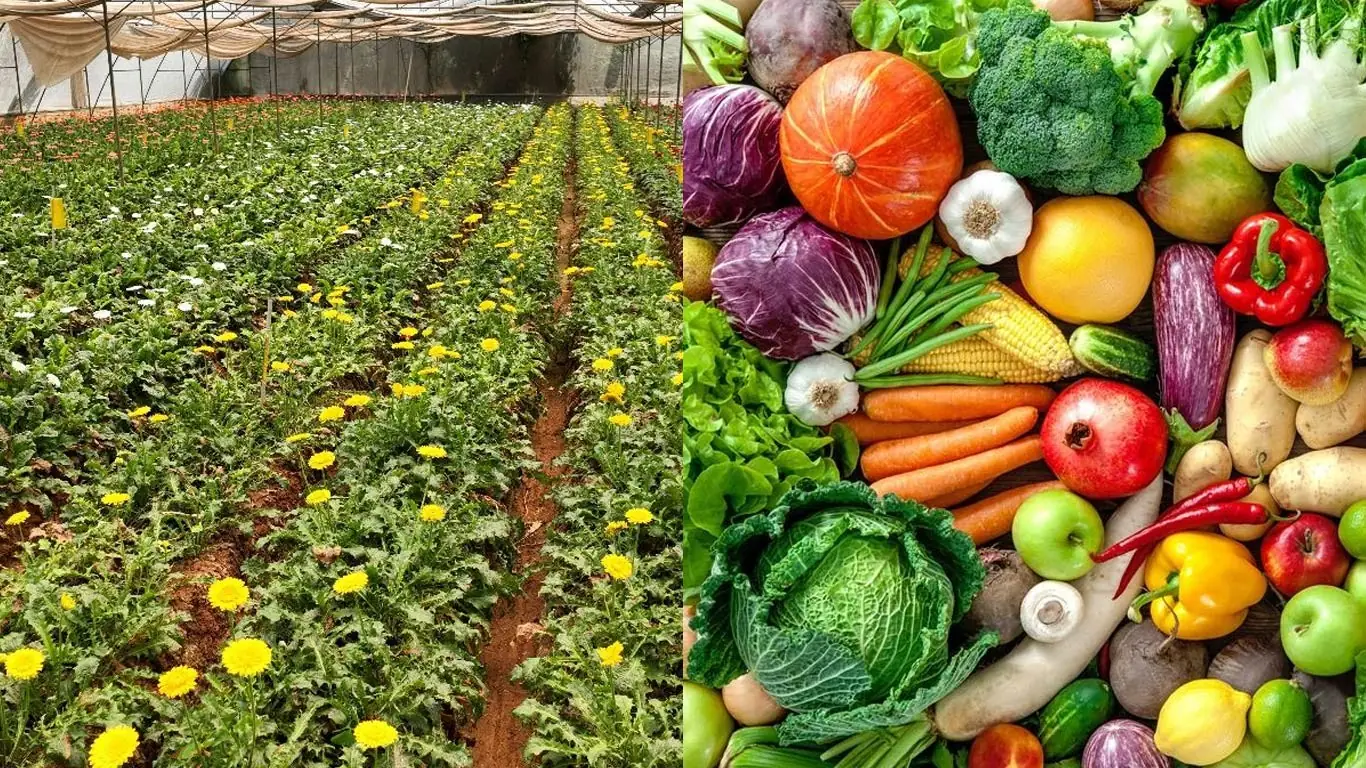
According to the HDC, Zimbabwe is home to a broad range of produce, from citrus, blueberries, peas, avocados, macadamia nuts and flowers. The sector’s growth will be attained through the active involvement and input of key stakeholders, including growers’ associations.
These organisations are expected to play a vital role in empowering new exporters to reach their full potential and exceed expectations, going beyond the capabilities of larger producers.
Mrs Nielsen indicated that Zimbabwe has a unique mild climate, fertile soils and reliable sunlight, which allow for all-year-round production across multiple agro-ecological zones — key ingredients for a successful horticulture sector.
This comes as Zimbabwe’s blueberry sector is increasingly globally competitive, recording the fastest growth rates in recent years.
Macadamia production is expected to grow to 13 000 hectares from 10 000, while tea production is set to increase to 6 300 hectares from the current 5 300.
Recently, the HDC highlighted that it has set targets to boost production across various crops, which include expanding apple production from 500 to 1 500 hectares, avocados from 2 800 to 5 500 hectares, and bananas from 8 000 to 14 000 hectares.
The council also plans to expand coffee production from 680 to 1 500 hectares, summer flower production to 600 from 100 hectares, and rose production from 30 to 330 hectares in the near future.
These expansion plans demonstrate the council’s commitment to growing Zimbabwe’s horticultural sector and increasing the country’s agricultural output, even amidst the requirement for vast amounts of capital.
Further, Mrs Nielsen said the goal is to achieve a significant milestone in the horticulture sector.
She noted that the goal highlights the council’s determination to expand the sector, seizing new opportunities and enhancing Zimbabwe’s presence in the global market.
“Looking at the milestones to 2030, or maybe pushing it a little bit beyond 2035: first of all, we are going to do the brand launch, bankability programmes, secure initial investment, scale production, infrastructure build-up and market expansion. We will then move towards the US$2,5 billion target, achieving sustainable growth.
“So, what we need from investors with that growth trajectory is a total investment of US$800 million. This translates to a US$2,5 billion annual return into the Zimbabwean economy.
“The priority areas for investment are production expansion, infrastructure, processing and value addition, and working capital,” said Mrs Nielsen.
The impetus behind growing Zimbabwe’s horticulture exports is the increasing global demand for local horticultural products, positioning Zimbabwe as a key player in the international market.
Increasing demand for fresh produce and other horticultural products presents a lucrative opportunity for Zimbabwe to expand its export base and earn valuable foreign currency.
Addressing participants on behalf of Deputy Minister Vangelis Haritatos, Chief Director in the Ministry of Lands, Agriculture, Fisheries, Water, and Rural Development, Dr Dumisani Kutywayo, said the horticulture sector holds vast potential that can be unlocked through strategic collaboration with the Government and access to long-term financing.
“To unlock sustainable trade and investment in Zimbabwe’s horticulture sector, it is critical to strengthen public-private partnerships (PPPs) anchored on clear legal frameworks that protect all parties. Investment in agriculture is twice as effective in lifting people out of poverty compared to any other sector investment. This notion must be matched by increasing financing for agriculture for the realisation of Vision 2030,” he said.
Zimbabwe’s horticulture sector has undergone a resurgence since 2017, transforming from a low-performing industry into a dynamic growth engine.
From a 1999 peak of US$140 million to a US$20 million low, the sector has recovered to over US$120 million in annual exports since 2023.
This rebound has been fuelled by policy support, investments in high-value crops such as blueberries and avocados, export market diversification, the resuscitation of conventional horticulture development, and better sector coordination.
Zimbabwean horticulture is broadly categorised into three main groups, consisting of annual crops, which mature within 6–12 months, such as peas, chillies, peppers, garlic, tomatoes, cucurbits, potatoes and brassicas.
The other category comprises perennial crops, which take three to five years to mature. This group includes crops such as blueberries, passion fruit, kiwifruit and various types of flowers.
Another category consists of plantation crops, which take seven years or more to mature. This group includes citrus, avocado, macadamia, pecan and coffee plantations, all of which demand meticulous planning and management due to their long-term investment nature.-herald