The rains have returned to Zimbabwe. Across the Highveld, the Lowveld and the verdant valleys in between, the land drinks deeply after seasons of patience.
But this is more than meteorological fortune.
The cascading waters symbolise something far more profound: a nation rediscovering its rhythm, reclaiming its narrative and rising as a tourism colossus that the world can no longer afford to ignore.
Zimbabwe today stands at an extraordinary inflection point. Where international headlines once dwelled on challenges, they now speak increasingly of opportunity.
Where sceptics saw stagnation, the evidence now reveals transformation.
The economic projections paint an unmistakable picture: growth is returning, agriculture is flourishing, and the nation’s tourism brand is emerging not merely as a regional player, but as a global giant in waiting.
The Philosophy of Ubuntu: Zimbabwe’s Competitive Advantage
This resurgence is anchored in something uniquely Zimbabwean. While other destinations compete on manufactured experiences and artificial hospitality, Zimbabwe offers something that cannot be replicated or purchased: Ubuntu.
This profound cultural philosophy, the belief that “I am because we are,” permeates every interaction, every welcome, every shared moment between visitor and host.
It is the invisible thread that transforms a simple journey into a transformative experience, that converts tourists into ambassadors, that turns first-time visitors into lifelong devotees of this remarkable land.
Agricultural Renaissance and Economic Recovery
The numbers tell part of the story. Agricultural output is surging, with good rains revitalising the breadbasket that once fed the region. Tobacco, horticulture and grain production are reaching levels unseen in years, creating rural prosperity that radiates through communities and stabilises the national economy.
Hwange National Park is also a favourite with wildlife enthusiasts
When agriculture thrives, everything thrives.
Hotels and lodges source local produce.
Rural employment rises. Infrastructure improves. The entire ecosystem of tourism benefits from this agricultural renaissance, creating an authentic farm-to-table experience that sophisticated travellers increasingly demand.
Economic indicators mirror this agricultural optimism. Inflation is stabilising.
Investment is returning. Infrastructure projects that seemed perpetually delayed are now reaching completion.
The Victoria Falls International Airport expansion welcomes wide-body aircraft from distant continents. Road networks connecting national treasures like Hwange, Mana Pools and the Eastern Highlands are being rehabilitated.
These are not mere construction projects; they are statements of intent, declarations that Zimbabwe is open for business and ready to welcome the world.
Natural and Cultural Treasures
But infrastructure alone does not create a tourism giant. What elevates Zimbabwe above mere destination status is its incomparable natural and cultural wealth, now more accessible and better managed than ever before.
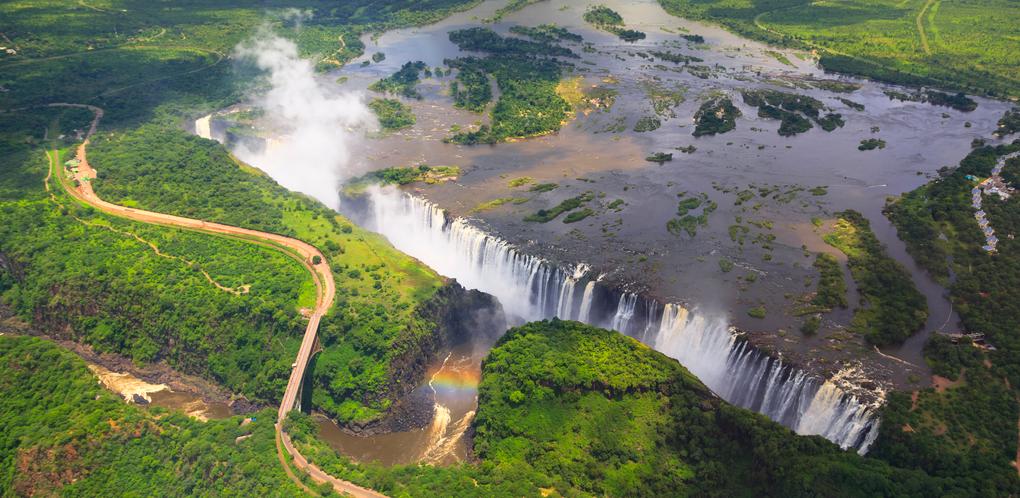
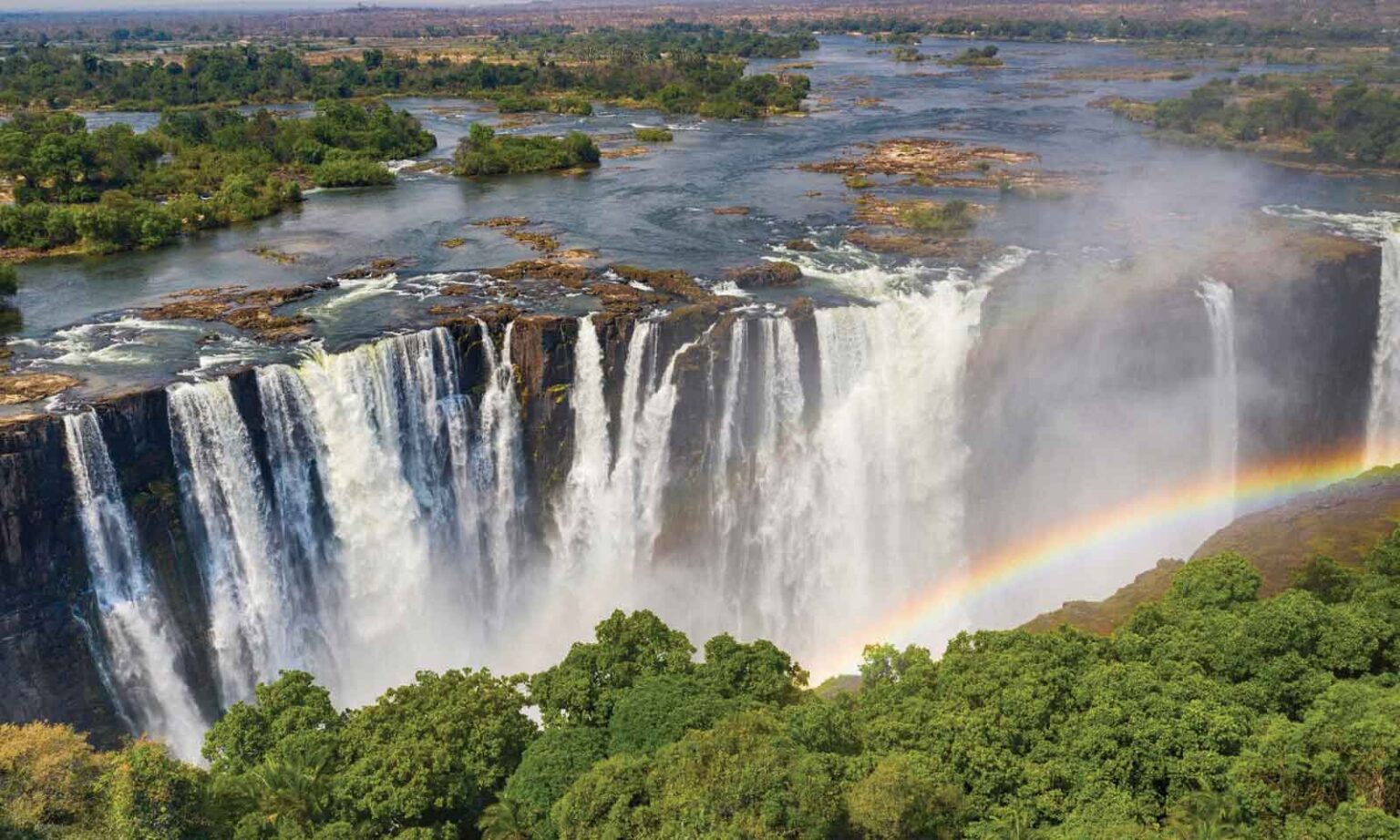
Victoria Falls – Mosi-oa-Tunya or “The Smoke That Thunders” – remains one of the Seven Natural Wonders of the World, a spectacular curtain of water that humbles every witness. Yet Victoria Falls is merely the beginning of Zimbabwe`s natural portfolio.
Hwange National Park shelters one of Africa’s largest elephant populations, offering wildlife encounters of staggering intimacy and scale. Mana Pools, a UNESCO World Heritage Site, provides walking safaris where visitors share the flood plains with lions, elephants and buffalo in one of the continent’s most pristine wilderness areas.
The Eastern Highlands unfold in misty mountains and hidden valleys, offering respite and reflection.
Lake Kariba stretches to distant horizons, its waters teeming with life, its shores dotted with lodges that redefine luxury and tranquillity.
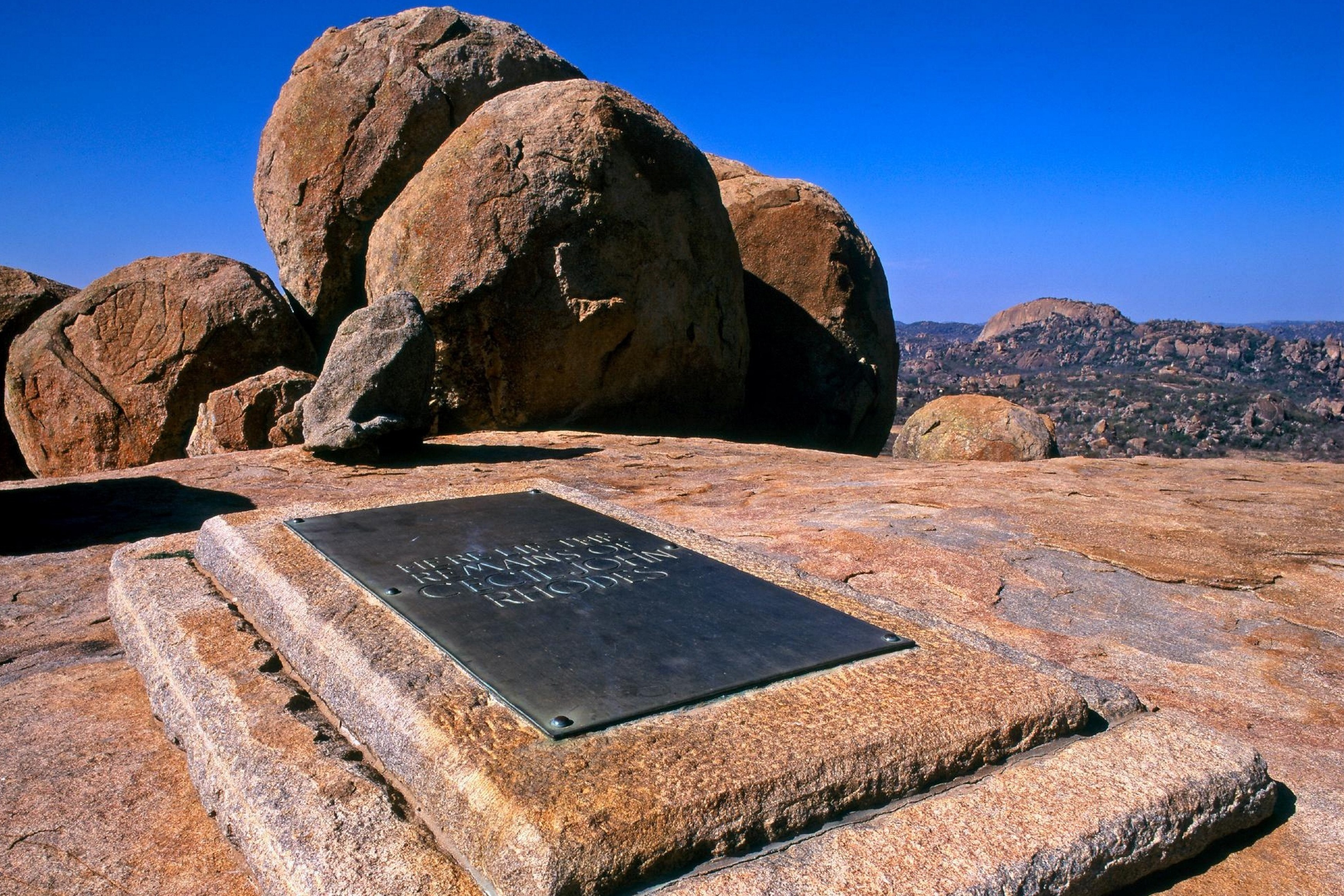
Great Zimbabwe, the stone city that gave the nation its name, stands as a testament to a sophisticated civilisation that flourished when much of Europe languished in medieval darkness.
These ruins speak of engineering genius, trade networks spanning continents and organisational sophistication that challenges lazy historical assumptions about African achievement.
The Human Touch: Genuine Hospitality
What brings these assets to life, what transforms stone and water and wildlife into unforgettable experiences, is the Zimbabwean people themselves. Hospitality here is not a training module or corporate policy; it is cultural DNA.
From the moment visitors arrive, they encounter warmth that feels genuine because it is genuine. The guide who shares not just animal facts but personal stories. The chef explains the cultural significance of sadza.
The craft vendor who teaches the meaning behind the patterns. These interactions, rooted in Ubuntu, create connections that transcend the transactional nature of modern tourism.
This natural hospitality instinct represents Zimbabwe’s ultimate competitive advantage.
In an era when travellers increasingly seek authenticity and meaning, when they want to connect rather than merely consume, Zimbabwe offers experiences that resonate at a profound human level.
Visitors do not simply observe Zimbabwe; they feel welcomed into it, embraced by it, changed by it.
Perfect Timing: Global Tourism Rebounds
The timing of Zimbabwe’s tourism ascendancy could not be more fortuitous. Global tourism is rebounding with unprecedented vigour. Travellers emerging from pandemic restrictions seek destinations that offer both adventure and safety, natural beauty and cultural depth, luxury and authenticity. Zimbabwe delivers all of this in abundance.
Moreover, as traditional safari destinations face overcrowding and environmental strain, Zimbabwe offers comparative wilderness, spaces where visitors can experience Africa as it once was, magnificent and largely untouched.
Regional Cooperation and Strategic Positioning
Regional cooperation amplifies these advantages. As Southern Africa increasingly markets itself as an integrated destination, Zimbabwe occupies a pivotal position, offering experiences that complement those of its neighbours while remaining distinctly, undeniably itself.
The tourist who visits Victoria Falls can easily extend to Chobe or the Okavango, but they will remember Zimbabwe not just for what they saw but for how they were made to feel.
The rise of Zimbabwe’s tourism brand is neither an accident nor an exaggeration. It is the logical outcome of natural advantages, cultural strengths, improving governance, and economic stabilisation converging at a moment when the world is ready to rediscover this extraordinary nation.
The good rains that fall today nourish more than crops; they water the seeds of prosperity, growth, and international recognition.
Conclusion
Zimbabwe is not merely participating in the global tourism industry. It is not simply recovering lost ground. Zimbabwe is rising as a giant, claiming its rightful place among the world`s must-visit destinations.
And for those fortunate enough to visit, to experience the thunder of Victoria Falls, the majesty of Hwange, the warmth of Zimbabwean Ubuntu, one truth becomes undeniable: they are witnessing not just a nation’s resurgence, but the emergence of Africa’s next great tourism story. The giant awakens, and the world is beginning to notice
Charles Mavhunga co-authored textbooks in Business Entrepreneurial Skills and is currently studying for a Ph.D. in Management at Bindura University. He can be contacted at charles.mavhunga@gmail.com. Cell:0772989816-herald