Zimbabwe has moved to ease fiscal pressure from its significant domestic debt maturities after agreeing with creditors to stretch the repayment of legacy debt Treasury Bills, Finance, Economic Development and Investment Promotion Minister Professor Mthuli Ncube has confirmed.
The move directly addresses a sizeable maturity profile of United States dollar-denominated domestic securities, which stand at about US$4,37 billion for the period 2025 and 2043.
Money
Of particular concern were maturities falling in the period 2026 and 2034, which exceeded US$400 million per year, largely reflecting legacy instruments issued to cover blocked funds and past Reserve Bank of Zimbabwe liabilities.
Responding to a question on the status of negotiations with holders of these legacy Treasury Bills, Minister Ncube said the Government had concluded talks that allow payments to be redistributed over a longer horizon, easing near term fiscal strain.
“We have negotiated successfully with the creditors so that we can stretch these payments out and lower the fiscal pressures on the Government,” said Minister Ncube.
“This allows us to focus on development programmes, because paying off debt is not development. Debt restructuring is a normal process in fiscal management.”
The Treasury has since confirmed that it is rolling over maturities for blocked funds and other legacy debts falling due between 2025 and 2030. The restructuring is designed to smooth repayment schedules, reduce rollover risk and prevent debt service from crowding out critical expenditure on infrastructure, health, education and social services.
The debt strategy comes against the backdrop of steady progress in servicing current domestic obligations.
ZIG
The latest Treasury data shows that between January and September 2025, the Government settled domestic debt amounting to ZiG11,2 billion. Of this total, ZiG9,1 billion was paid towards maturing Treasury Bills and bonds, while ZiG2,1 billion went to interest payments.
A further ZiG4,8 billion was expected to be paid before the end of the year, underscoring authorities’ determination to remain current on obligations linked to active budget financing.
Debt service payments were deliberately spread across the year, with ZiG5,36 billion paid in the first quarter, ZiG1,63 billion in the second and ZiG4,05 billion in the third, reflecting a cash flow smoothing approach.
For market participants, this combination of consistent servicing and proactive restructuring is a critical signal.
“Consistency in meeting domestic debt commitments is one of the strongest confidence signals a Government can send to the market,” said banker Mr Raymond Madziva.
“It tells investors that the authorities understand the importance of credibility and are serious about preserving financial stability.”
Importantly, the Treasury has drawn a clear line between legacy liabilities and instruments issued for current fiscal operations. Authorities have reiterated that Treasury Bills and bonds linked to budget support, cash flow management and compensation under the Global Compensation Deed will be honoured in full and on time.
This distinction, analysts say, is central to preserving confidence in Zimbabwe’s domestic debt market and encouraging longer-term investment.
“The key issue is not the size of the obligation, but how it is managed,” Mr Madziva said.
“What is encouraging is that the Treasury has acknowledged the maturity concentration and has already worked on solutions that reduce rollover risk and smooth repayments over time.”
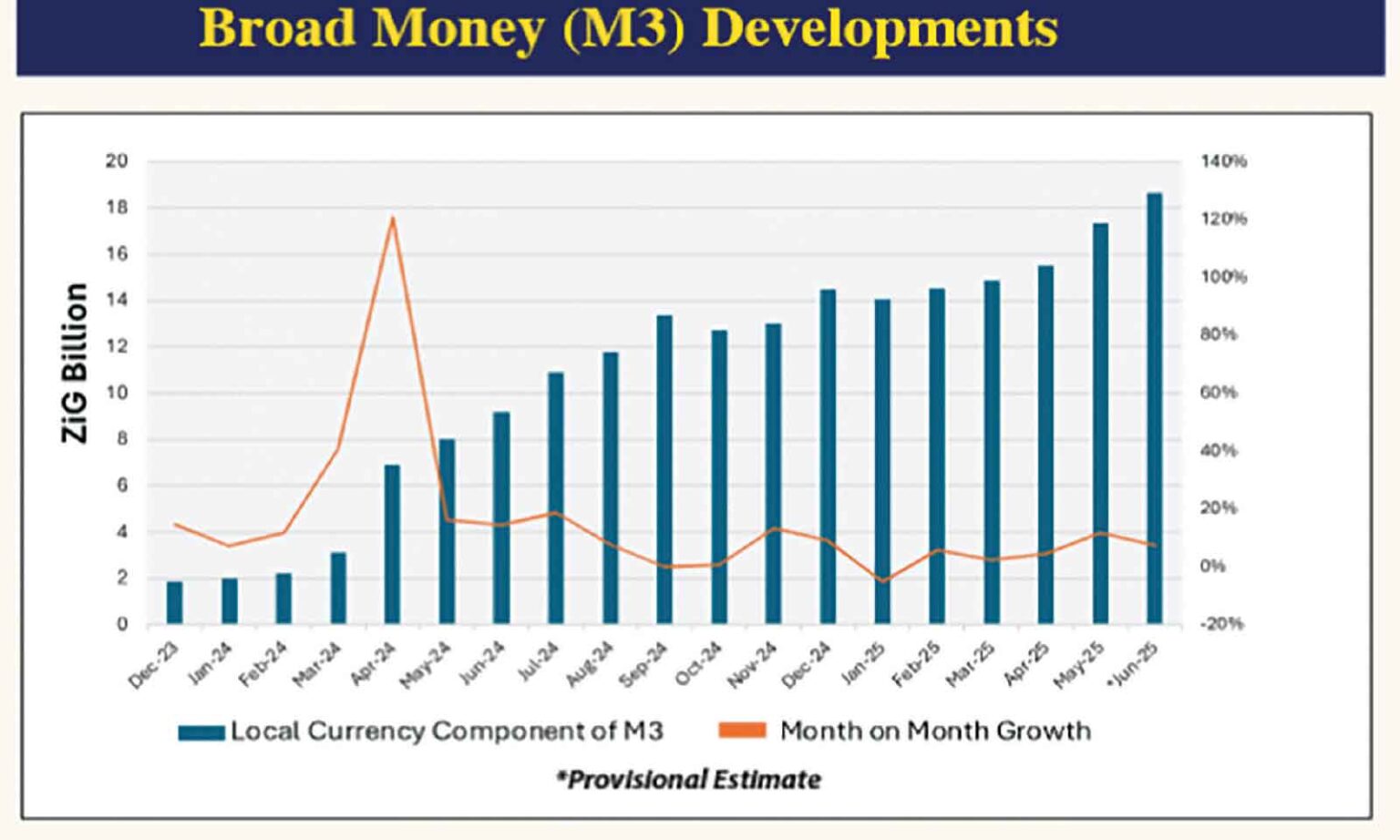
Through restructuring legacy debt separately, the Government is effectively ring-fencing historical challenges while protecting the credibility of new instruments. This approach also reduces the risk of sudden liquidity pressures that could spill over into inflation or exchange rate volatility.
Avoiding bunching of repayments helps maintain macroeconomic stability and supports efforts to rebuild confidence in the financial system.
Minister Ncube stressed that restructuring should not be misinterpreted as avoidance of obligations.
“These debts will be paid,” he said. “What we are doing is managing them responsibly so that they do not jeopardise development.”
If continued engagement with creditors is maintained, the current approach could ease refinancing risks, strengthen investor confidence and create much-needed fiscal space for growth-enhancing programmes, ensuring that debt management supports, rather than constraints, economic recovery.-herald