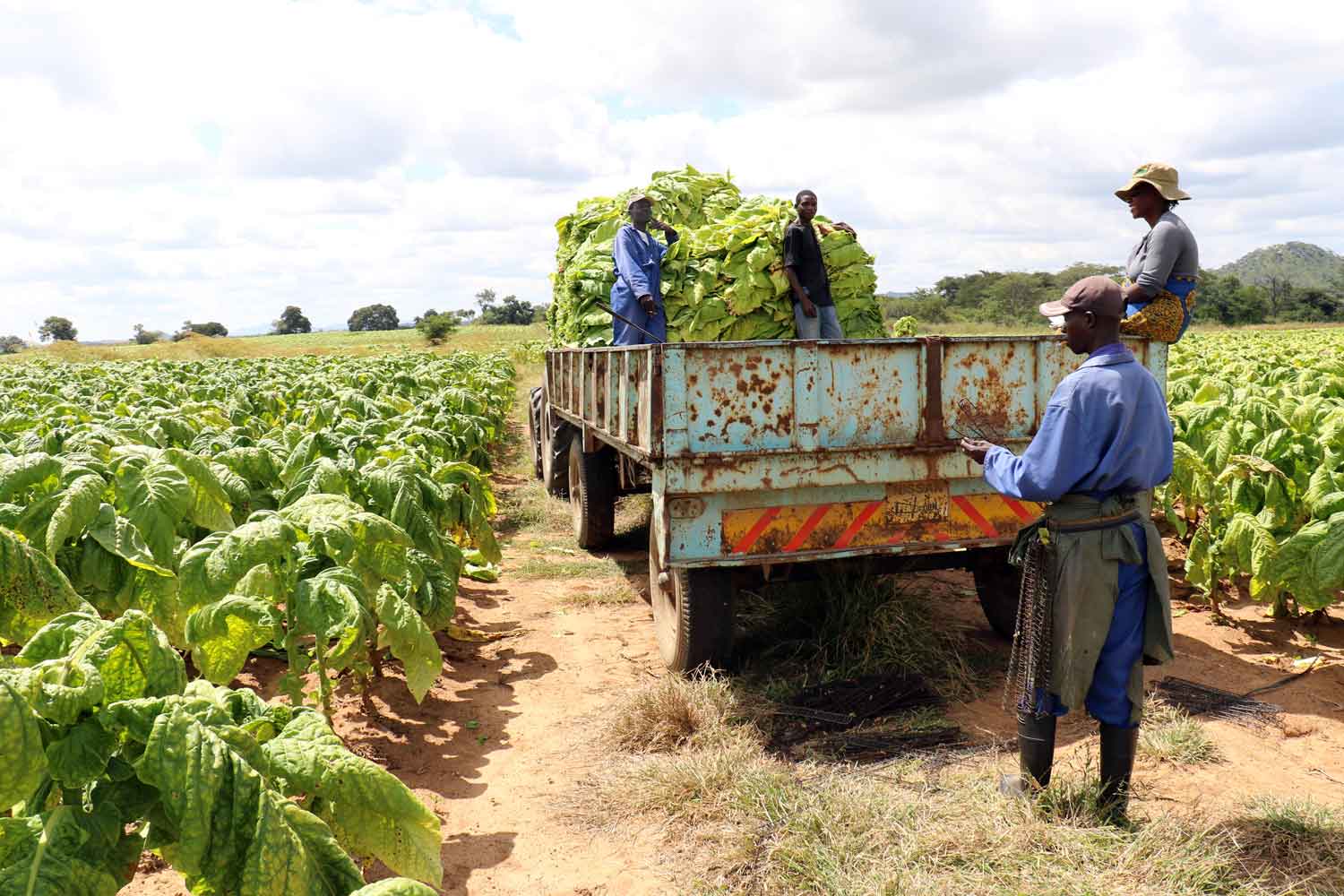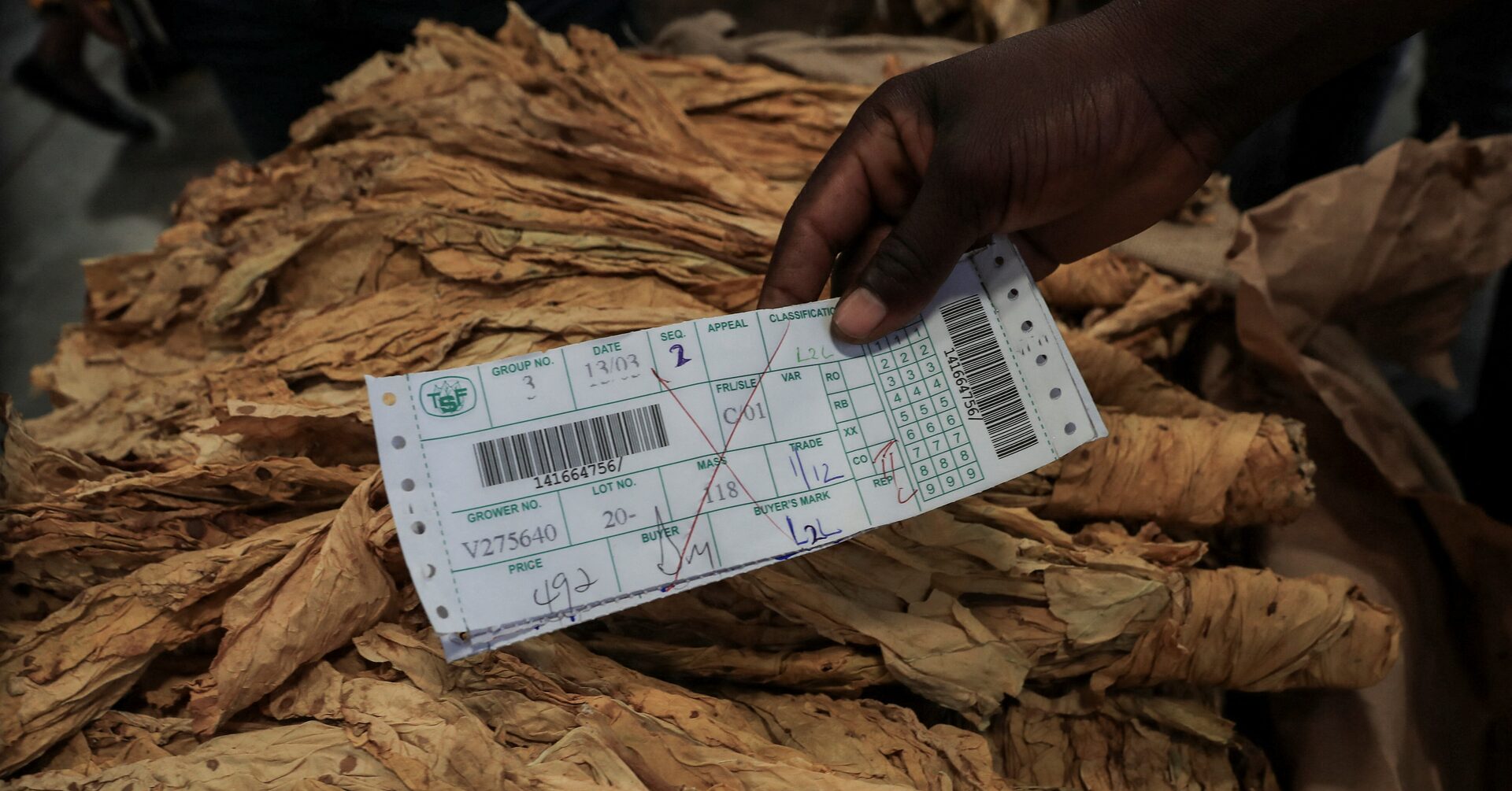
THE Tobacco Industry and Marketing Board says prices are beginning to firm up across both contract and auction floors as merchant participation increases following the conclusion of credit facilities between merchants and their banks.
The current marketing season commenced earlier than usual due to market pressure, catching several tobacco merchants off guard before they had finalised funding with their financiers.
TIMB chief executive, Mr Emmanuel Matsvaire, told this publication that approximately one-third of merchants had not received their funding by the time the season opened.
This lack of liquidity had the initial effect of depressing market prices.
“Most merchants only started buying a week after the season opened because they had not concluded their credit facilities with the banks. Participation has now improved and we are seeing prices trend upward,” said Mr Matsvaire in an interview on Wednesday.
The TIMB anticipates prices will continue to strengthen, citing robust appetite for the crop among the buyers.
Zimbabwe operates a dual tobacco marketing system comprising the auction floors, where independently funded tobacco is sold across three licensed floors, and the contract system, where merchants purchase tobacco directly from farmers whose production they have financed.AI technology implementation
Average prices on the auction floors have increased to US$1,69 per kg, as of day 9 of the marketing season, up from US$1,60 per kg recorded during the early days of the season, while contract floor prices have risen to US$2,78 per kg from an initial US$2,64 per kg.
However, prices remain 24 percent lower than at the same stage last year.
Zimbabwe is currently projecting a record yield of 400 million kg this season — a significant increase from last year’s record of 354 million kg.
According to Mr Matsvaire, the volume of orders currently being placed with merchants confirms a strong global demand for Zimbabwean leaf.
Despite initial concerns that a potential oversupply might dampen the market, Zimbabwe’s flue-cured Virginia leaf continues to command a premium position globally.
Renowned for its superior aroma, flavour, and texture, the leaf is a critical component for international manufacturers who use it to enhance the profile of cigarette blends.
However, the industry remains wary of market saturation. While demand for Zimbabwe’s tobacco is high, international buyers operate under strict, predetermined procurement limits.
This means that even with top-notch quality, buyers generally only acquire tobacco up to their specific operational needs.
With the country anticipating a record yield of 400 million kg — up from last year’s record of 354 million kg — TIMB is closely monitoring the balance between this massive output and the capacity of contracted buyers to ensure price stability remains intact.
Zimbabwe Farmers union (ZFU) executive secretary Mr Paul Zakariya has welcomed the recent upward trend in tobacco prices, noting that the “ridiculously low” opening rates had severely dampened farmer morale and led many growers to withhold their crops from the market.
Mr Zakariya expressed optimism that prices would remain at or above last year’s levels, particularly on the auction system, which serves as a critical benchmark for price discovery on contract floors.
While acknowledging the firming prices, he noted that farmers were increasingly aware of the impact of the dynamics of supply and demand.
The situation in the tobacco industry comes against the backdrop of a record-breaking season last year, where national production exceeded the Government’s target by 54 million kg last year, leading to concerns over a market glut.
Mr Zakaria said that despite the potential oversupply, farmers deserve higher returns on the crop, given that this year’s quality levels far exceed those of last year and should be met with fair market prices.
To prevent future price depressions, the ZFU has called for enhanced market intelligence to better align production with global demand.
“In the future, we require detailed market intelligence regarding demand levels for the upcoming season,” said Mr Zakariya.-herald