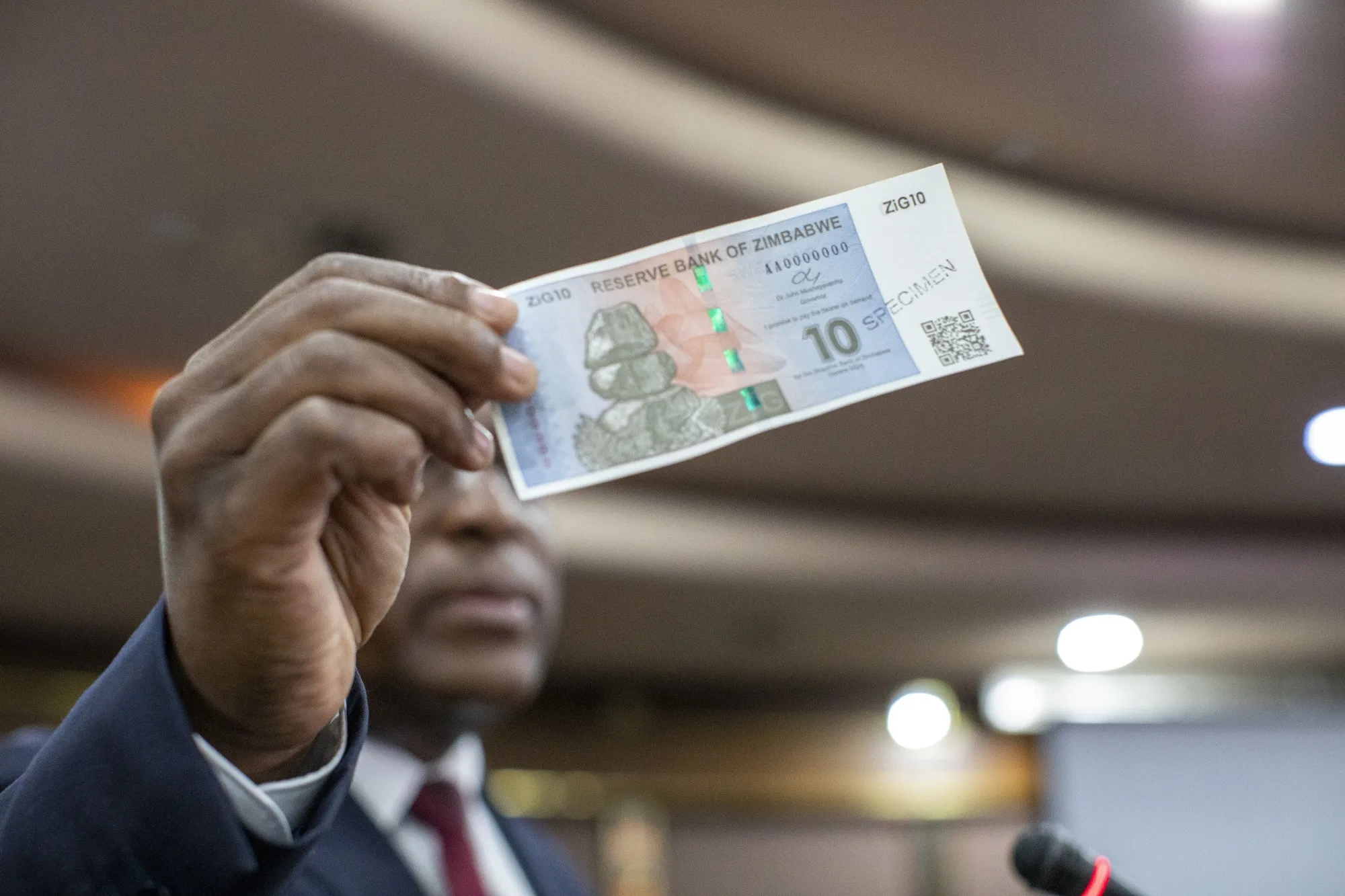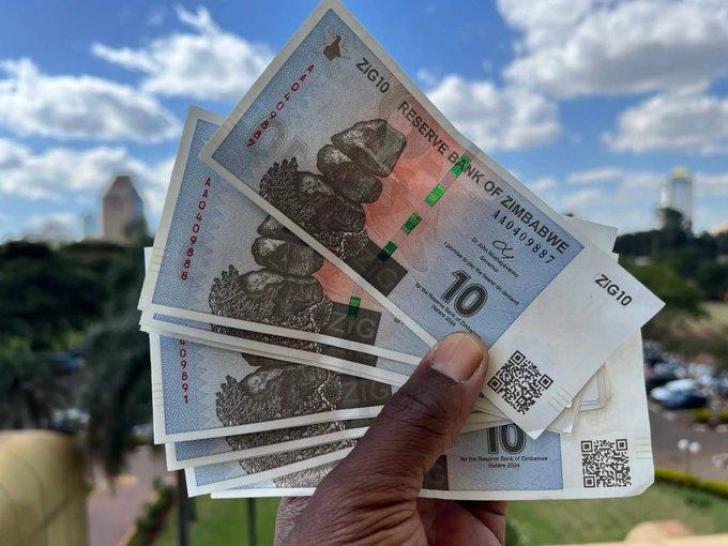
THE ZiG exchange rate is likely to remain stable beyond 2026, supported by tight liquidity conditions and restrained money supply growth, thinktank Africa Economic Development Strategies says .
Speaking at a dialogue on geopolitical risks posed by the US-Israeli war against Iran, AEDS executive director Professor Gift Mugano said tight ZiG liquidity has curtailed speculative pressures on the exchange rate, even during periods of global volatility.
Money supply under the central bank’s hawkish monetary policy framework, is characterised by aggressive liquidity management and high interest rates aimed at stabilising the gold-backed ZiG currency.
The Reserve Bank’s benchmark Bank Policy Rate has been maintained at a restrictive 35 percent for a long period now to discourage speculative borrowing and keep “hot money” out of the market.
Money supply is strictly anchored by a composite basket of foreign currency and precious metals (mainly gold) forex reserves.
Prof Mugano said current reserve money stands at approximately ZiG5 billion, a level he described as “insufficient” to trigger sustained volatility in the foreign exchange market.
He attributed the prevailing stability and positive outlook largely to the central bank’s disciplined monetary management, particularly the containment of money supply growth.
“If you look at the numbers, the money available for transactions in the market is around ZiG5 billion. That is a small component relative to overall demand
“This new currency is likely to endure because the tap on money supply has effectively been closed,” said Prof Mugano.
According to Prof Mugano, even where business operators attempt to stretch the exchange rates through arbitrage, such movements are short-lived due to lack of liquidity support.
He cited recent market behaviour during geopolitical tensions, where some retailers initially rejected local currency and quoted exchange rates as high as ZiG45 to the US dollar.
However, market forces quickly corrected the situation, with exchange rates retreating to around ZiG29–30 as trading realities set in.
“They were essentially saying ‘do not give us local currency’ due to uncertainty. But such positions are unsustainable because businesses ultimately lose sales,” he said.
Prof Mugano highlighted that the stock of ZiG in circulation is only a fraction of the total demand for foreign currency, estimating it at roughly one-sixth of the required level.
He said this imbalance inherently limits the capacity for sharp depreciation.
Furthermore, even when accounting for money supply including medium- and long-term financial commitments total ZiG liquidity remains manageable.
“We have very little ZiG, to an extent that if the central bank were to mop up all the liquidity, it could do so and still remain with excess capacity,” he said.
This comes as the Treasury and the Reserve Bank are maintaining a tight monetary policy stance to stabilise the relatively new currency, introduced as part of efforts to restore confidence in Zimbabwe’s financial system.Zimbabwe business news
AEDS economics and strategy director Ms Pretty Nyathi expressed optimism about macroeconomic fundamentals, projecting continued gross domestic product growth, moderating inflation and sustained exchange rate stability through 2026 and beyond.
“We are seeing a positive outlook in terms of GDP and inflation developments, and we expect stability to persist beyond 2026,” she said.
The durability of the ZiG will ultimately depend on continued policy consistency, fiscal discipline, and the ability to maintain confidence among market participants.-herald