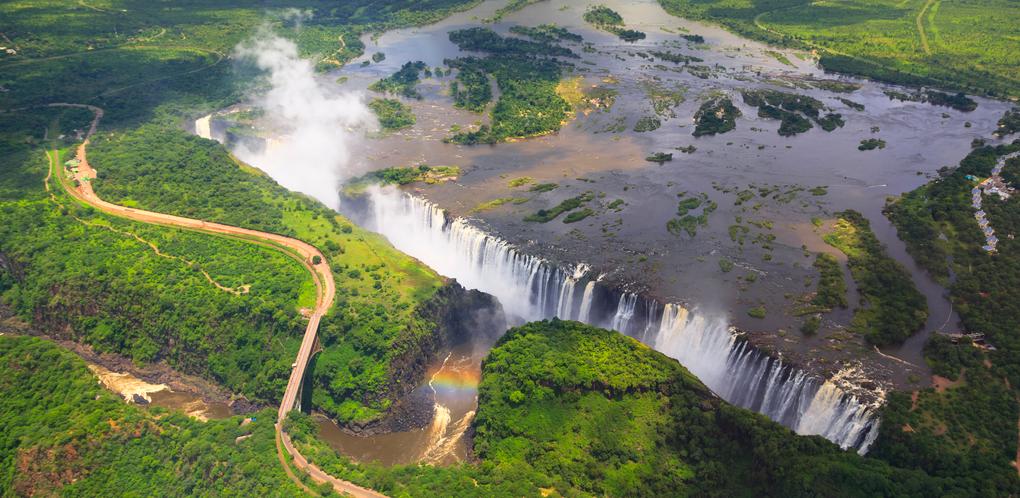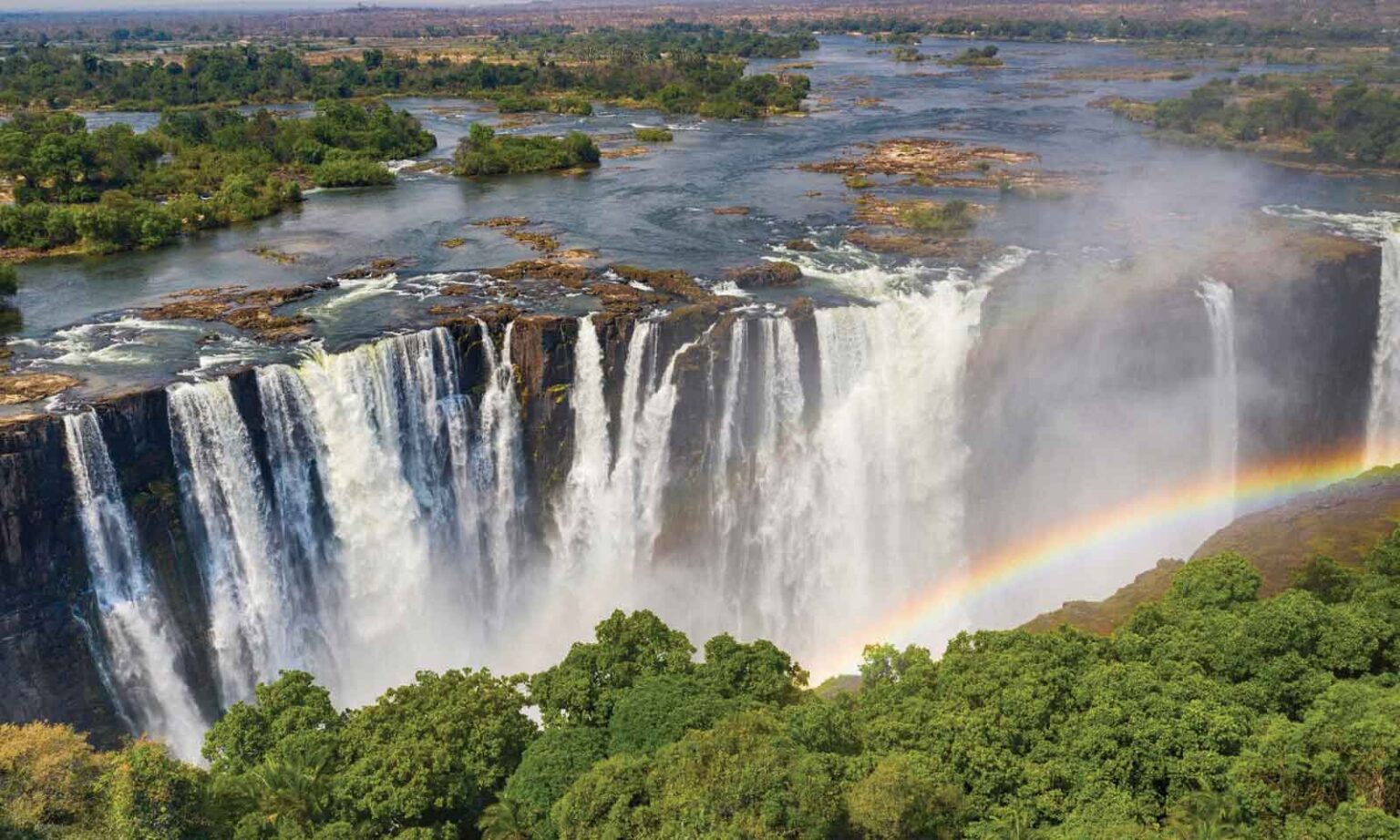
This week marks 170 years since one of history’s most consequential acts of cultural erasure in tourism.
On November 16, 1855, David Livingstone stood at the edge of a magnificent waterfall and, in a moment that would reverberate through centuries, stripped away its indigenous identity to honour a distant British monarch.
Today, millions of tourists still flock to what the world knows as Victoria Falls, unaware that this very week commemorates not a discovery, but a dispossession, one that continues to generate profits while silencing the authentic tourism legacy of Mosi-oa-Tunya.
When Scottish missionary David Livingstone arrived at the majestic waterfall that November day in 1855, he was hardly making a discovery. The Toka-Leya people had lived beside these falls for centuries, calling them Mosi-oa-Tunya; “The Smoke That Thunders”.
Yet Livingstone, guided to the site by local inhabitants, claimed the distinction of being the first Europeans to encounter it and promptly renamed the natural wonder after Queen Victoria, a monarch the indigenous population knew nothing about or cared about.
This was not merely an act of naming. It was what scholars now recognise as a silencing act: a deliberate erasure that transformed a sacred landscape into a symbol of imperial power.
The timing of this anniversary is haunting: in the very week we should be celebrating 170 years of tourism at one of Africa’s most sacred sites, we instead commemorate the moment Livingstone removed its authentic identity.
That colonial name has since become so economically valuable that even independent African nations struggle to reclaim their own heritage, trapped by the commercial success of a brand born from cultural theft.
The architecture of erasure
The renaming of Mosi-oa-Tunya established what can only be described as a colonial ecosystem of place names. Following the waterfall’s appropriation, the adjacent town was named Livingstone.
A museum, built using ethnographic materials provided by the very communities it marginalised, became the David Livingstone Museum in 1934.
This systematic alignment, Victoria Falls, Livingstone Town, Livingstone Museum, was not coincidental. It was a comprehensive governmental project designed to anchor colonial narratives into the physical and psychological landscape, pushing the Toka-Leya people’s histories into obscurity.
As political scientist Dr Chipo Dendere observes, this colonial naming stripped away “a lot of the sense of ownership that locals had”, fundamentally altering the relationship between indigenous communities and their ancestral landmarks.
The “myth of discovery” was not just historical inaccuracy; it was a foundational tool of dispossession that legitimised European control over African spaces.
Similar patterns emerge across the continent. Lake Victoria, known locally as Nnalubaale (“mother of guardian gods”) or Nam Lolwe (“endless lake”), was renamed by British explorer John Hanning Speke in 1858.
Lake Albert, originally called Mwitanzige (“the lake that defeated the locusts”), suffered the same fate. These were not neutral geographic designations but instruments of colonial power that systematically disconnected Africans from their cultural heritage.
The economic trap
Nearly half a century after independence, both Zambia and Zimbabwe face a peculiar dilemma. Zambia adopted Mosi-oa-Tunya for official use and named its conservation area, accordingly, prioritising cultural restoration. Zimbabwe, however, retained Victoria Falls as its official designation, heavily influenced by established tourism infrastructure and global brand recognition.
This divergence was not merely symbolic; it is a multi-billion-dollar question.
The tourism industry’s resistance to renaming reveals how colonial nomenclature has been transformed into economic leverage. When Zimbabwe’s ruling party proposed officially renaming the falls, tourism operators cited substantial costs, including rebranding physical assets, advertising materials, website domains, and re-establishing search engine optimisation.
The core argument from industry stakeholders is brutally pragmatic: most international tourists know only the colonial name and discover the indigenous designation only upon arrival.
A comprehensive name change, they argue, risks hampering tourism recovery by creating market confusion. Some operators have pre-emptively adopted co-branding strategies, but the overall resistance demonstrates what scholars call “brand capture”, where a colonial name becomes such a valuable economic asset that it actively resists political and cultural correction.
Even UNESCO’s diplomatic compromise, listing the site as “Mosi-oa-Tunya/Victoria Falls”, creates ambiguity about which name holds priority in international
communication.
The slash between names may appear inclusive, but it functionally maintains the colonial designation’s prominence in global tourism markets.
The real cost of colonial tourism
The implications extend far beyond a single waterfall. Colonial-era hotels like The Victoria Falls Hotel were originally built to provide Western-style comforts for colonial administrators and now market their colonial heritage as a selling point, offering romanticised colonial experiences while glossing over problematic historical aspects.
This commodification of colonial nostalgia creates what researchers identify as ongoing patterns of economic exclusion that mirror the structural inequalities imposed during colonial rule.
The private sector benefits directly from this historical injustice. As one commentator noted, the argument that renaming “should have been done at Independence, along with all the other town and city name changes,” clearly prioritises established revenue streams over necessary historical reparation.
The colonial name, successfully integrated into global tourism since the mid-20th century, now functions as a pervasive form of economic capture whose market value is leveraged to resist change.
Breaking the cycle
The strategic solution requires demonstrating that Mosi-oa-Tunya can achieve not just equal but superior commercial success by marketing the site’s authentic cultural significance and spiritual essence.
Some advocates argue that this alignment with values like Ubuntu could actually enhance the destination’s appeal to increasingly conscious travellers seeking authentic cultural experiences rather than colonial nostalgia.
Grassroots efforts are already underway, with local chiefs running educational tours after waterfall visits to teach visitors about indigenous landmarks and culture.
These initiatives represent what scholars call a “quiet but powerful movement of reclaiming cultural identity through education and daily language.”
The battle over Victoria Falls’ name illuminates a broader truth about modern tourism: colonial infrastructure, both physical and linguistic, continues to generate profits while the descendants of dispossessed communities remain economically marginalised.
Until the global tourism industry confronts this legacy, the thundering mist of Mosi-oa-Tunya will continue to carry not just water vapour, but the unresolved contradictions of Africa’s incomplete decolonisation.
The question is not whether Mosi-oa-Tunya can compete with Victoria Falls as a brand. The question is whether the tourism industry values justice and authenticity enough to help it do so, or whether profit will continue to silence the voices that named these waters long before any European arrived to “discover” them.
Charles Mavhunga co-authored textbooks in Business Entrepreneurial Skills and is currently studying for a Ph.D. in Management at Bindura University. He can be contacted at charles.mavhunga@ gmail.com .Cell:0772989816
-herald