The Stockbrokers Association of Zimbabwe (SAZ) has commended progress in macroeconomic conditions, saying this has boosted prospects for a positive performance in key productive sectors.
The durable stability, the stockbrokers said, enhances the likelihood of new listings and capital raising on the Zimbabwe Stock Exchange and forex-denominated Victoria Falls Stock Exchange.
Annual inflation dropped from 95,7 percent in July 2025 to 4,1 percent in January, while the exchange rate premium has narrowed to about 20 percent from over 100 percent previously.
SAZ secretary general Mr Arnold Chibvongodze said in an interview that the market was on the right track, citing progress made since 2024 in stabilising inflation and exchange rates.
Stable inflation and exchange rates, he said, are critical foundations for functional, growing capital markets.
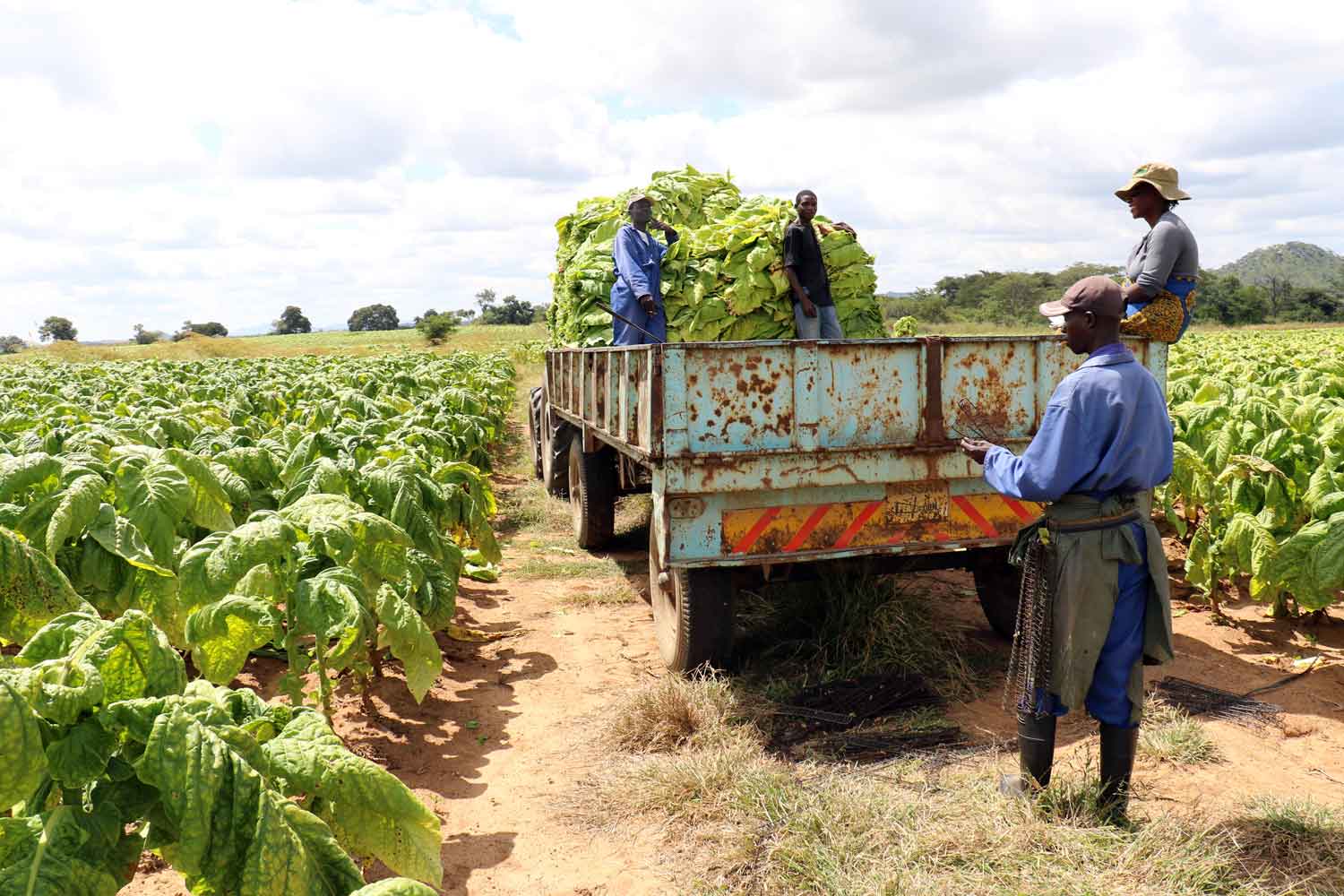
After a sluggish 2024, growth is expected to reach 6,6 percent in 2025 and five percent this year, driven by a strong recovery in agriculture following better rainfall and sustained mining activities, particularly gold and lithium.
Manufacturing is regaining momentum, contributing roughly 15,3 percent gross domestic product, with major infrastructure investments in steel and power.
The Government has reduced its reliance on central bank financing for budget deficits, keeping them below three percent of GDP in line with SADC targets.
In 2025, Zimbabwe experienced record foreign currency inflows, reaching US$16,2 billion, driven by strong performance in the mining (gold/platinum) and tobacco sectors
This surge sustained a robust current account surplus and increased foreign reserves to about US$1,2 billion by year-end, providing crucial support for exchange rate stability.
“We are on the right track overall. General macroeconomic stability, low inflation and stable exchange rates are key to promoting the success of business in Zimbabwe and significant progress has been made in this regard,” he said.
He said the association expects growth in mining and agriculture and companies from these sectors to drive new listings and capital-raising activities on the ZSE and VFex.
Mr Chibvongodze said that further policy support was critical to accelerate momentum, urging the Government to consider targeted incentives.
“The Government should maybe offer reduced corporate taxes, tax holidays for new listings and reduced borrowing interest rates. These measures would significantly enhance the attractiveness of listing and raising capital on the stock market,” he said.
The trend for new listings in Zimbabwe in recent years has been characterised by a significant shift away from the traditional Zimbabwe Stock Exchange (ZSE) towards the Victoria Falls Stock Exchange (VFex).
Zimbabwe has a rise in specialised, alternative instruments like Real Estate Investment Trusts (Reits) and Exchange Traded Funds (ETFs.
Mr Chibvongodze said policies that promote savings, including positive real lending rates and clarity on the timelines for the proposed switch to a mono-local currency, were equally important in strengthening investor confidence.
“Consistent application of these measures creates an environment suitable for the stock market. In the absence of these macroeconomic enablers, there is very little that market participants can do to grow the market,” he said.
Mr Chibvongodze said progress has been made on policy clarity and savings incentives.
On recent market activity, Mr Chibvongodze said to listings on both exchanges as evidence of growing interest in Zimbabwe’s capital markets.
On the VFex, companies such as Padenga Holdings, Caledonia Mining Corporation, Seed Co International and Simbisa Brands have established a presence as some of the key counters on the US dollar-denominated exchange.
Mr Chibvongodze noted that the VFex recently witnessed significant capital raises, particularly in the mining and resources space, reflecting demand for hard-currency funding structures.
The Pfuma Fund Real Estate Investment Trust successfully raised US$25 million during the subscription period from December 11, 2025 to January 23, 2026, with a 100 percent subscription level.
The Reit, which was listed last Friday, becomes the second such security on VFex and the 18th listing, overall, on the exchange.
Despite the positive outlook, Mr Chibvongodze warned of key risks that could derail market growth, including drought, shifts in monetary and fiscal policy and US dollar exchange rate volatility driven by global geopolitical tensions.
He also raised concern over the potential impact of the proposed delisting of Econet Wireless Zimbabwe, which accounts for about 24 percent of the ZSE’s total market capitalisation.
If a company accounting for 24 percent of the market value delists, radical changes to business models are required, and these include cost-cutting and courting new businesses to list.
“Stockbrokers’ revenue would likely decrease disproportionately; we estimate a revenue decline of at least 40 percent if the delisting proceeds without a relisting on the VFex,” he said.
While acknowledging that a heavyweight delisting could marginally improve trading in mid-tier stocks, Mr Chibvongodze noted that the quality of a company is what ultimately determines investor appetite, warning that Econet’s exit could weaken the overall appeal of the market.-herald