Introduction
Zimbabwe stands at a transformative crossroads as the Second Republic embarks on an ambitious nation-building agenda.
The national cleaning campaign, championed by the First Lady Dr Auxillia Mnangagwa, represents a strategic pillar of tourism brand positioning that carries profound implications for the nation’s economic revival and global competitiveness.
In an increasingly competitive global tourism landscape, cleanliness has emerged as a critical competitive advantage: one that Zimbabwe recognises and systematically deploys as a cornerstone of tourism infrastructure and national identity.
Cleanliness: The tourism currency
International tourism research demonstrates that cleanliness directly influences destination selection, visitor satisfaction and repeat tourism. Studies reveal travellers prioritise hygiene standards as well as accommodation quality and natural attractions.
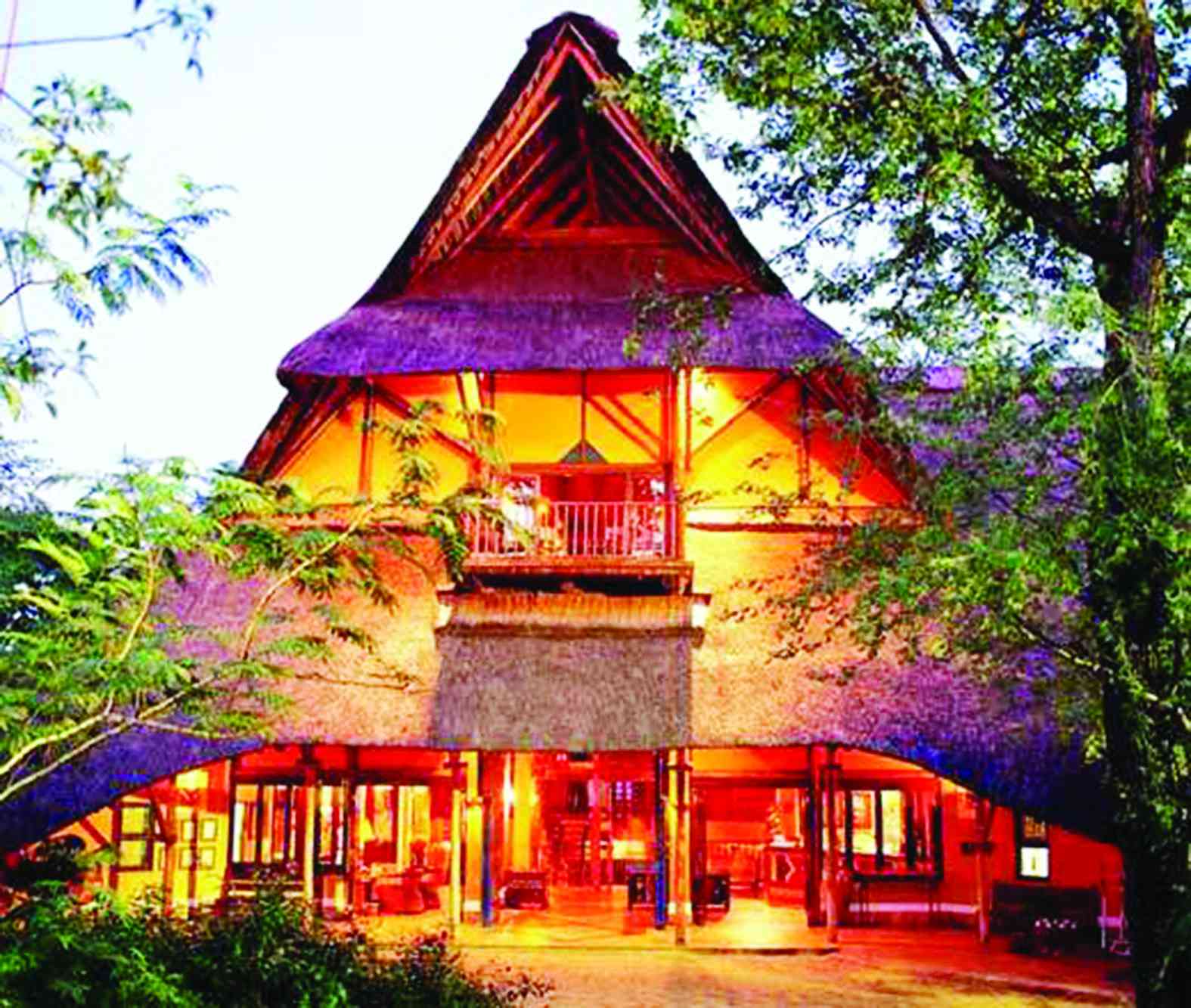
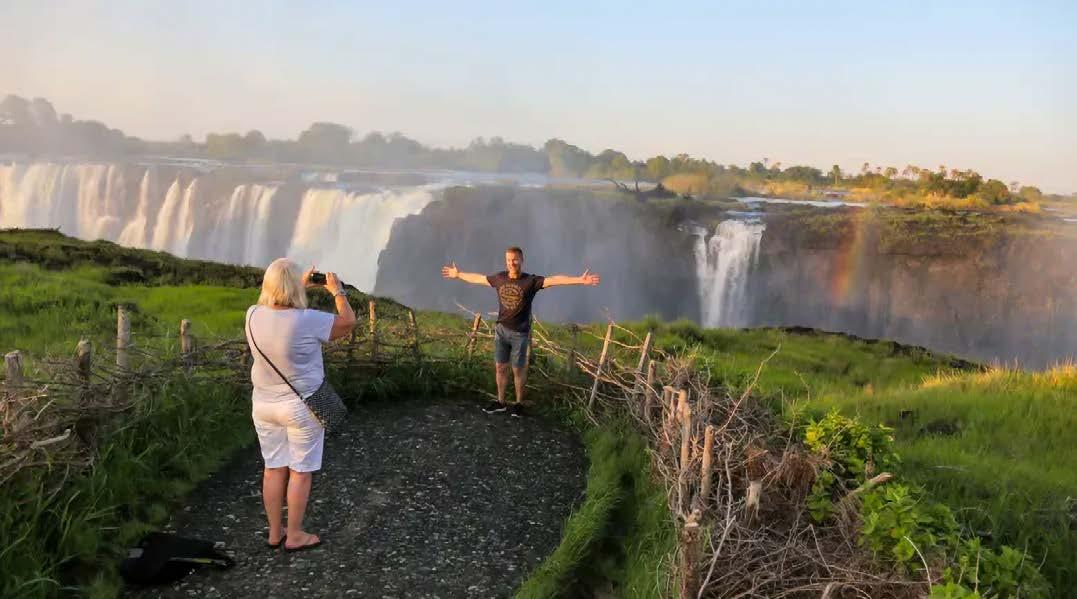
A clean environment communicates professionalism, cultural respect and preparedness. Zimbabwe`s natural endowments: Victoria Falls, Great Zimbabwe ruins and diverse wildlife are world-class assets.
Yet without appropriate environmental cleanliness standards to match these attractions, Zimbabwe risks under-performance in international tourism rankings.
The cleaning campaign addresses this strategically. Through establishing visible cleanliness standards across tourism corridors, urban centres, and hospitality facilities, Zimbabwe signals a serious commitment to international quality benchmarks.
This translates directly to increased visitor confidence, extended stays, enhanced expenditure rates and positive word-of-mouth marketing across Europe, North America and Asia.
The Second Republic`s Vision
The Second Republic`s Vision 2030 emphasizes national renewal through systemic transformation. The cleaning campaign exemplifies this philosophy: recognizing that sustainable development requires psychological and cultural shifts alongside infrastructure investment.
Through positioning cleanliness as a national value and personal responsibility, the Government catalyses behavioural change across society. Zimbabweans recognise a clean nation projects dignity internationally and attracts investment, talent, and tourism revenue.
The campaign engages citizens as active participants in development rather than passive recipients. Communities lead initiatives; businesses integrate cleanliness standards; schools embed environmental stewardship into curricula. This participatory approach strengthens social cohesion while building sustainable systems.
The Second Republic positions cleaning as a foundational governance principle, establishing standards progressively elevating Zimbabwe`s competitive positioning in regional and global tourism markets.
Biblical principles and liberation heritage
In Zimbabwe`s cultural and spiritual landscape, cleanliness resonates with deep theological significance. Biblical principles emphasise that cleanliness reflects moral consciousness, personal dignity and respect for creation: values fundamental to African Ubuntu philosophy.
The campaign articulates this dimension: a clean nation represents a morally awakened society committed to stewardship. Post-colonial liberation struggles sought dignity and self-determination.
Discover more
Local crafts and souvenirs
Top stories alerts
Sports event tickets
The cleaning campaign extends this trajectory: asserting that national dignity manifests through environmental stewardship and aesthetic pride. When Zimbabweans maintain clean communities, they exercise agency over their spaces and affirm their capacity for self-governance.
This psychological dimension proves profoundly empowering, particularly where colonial legacies created internalised narratives of inadequacy.
Through transforming physical environments, Zimbabwe transforms national consciousness and international perception: a liberation struggle extending from political independence toward economic and tourism sovereignty.
Global and regional implications
Zimbabwe`s campaign arrives at a strategic inflection in regional tourism competition. While South Africa, Botswana, and Namibia have established strong tourism brands, cleanliness standards remain inconsistent, creating differentiation opportunities for early adopters implementing rigorous environmental management systems.
Through establishing systematic cleaning protocols across tourism infrastructure, Zimbabwe gains a competitive distinction.
Discover more
Business news insights
Online learning courses
Health lifestyle tips
International operators recognize destinations with reliable standards and preferentially market them. Global tourism platforms amplify advantages: consistently clean facilities generate positive traveller feedback, algorithmically increasing destination visibility. Zimbabwes initiative signals Africas capacity for world-class standards, challenging persistent stereotypes.
The African union increasingly emphasizes intra-continental tourism for economic development.
A clean Zimbabwe attracts tourists from emerging African economies, generating foreign exchange while establishing regional tourism excellence. This positions Zimbabwe within the premium African tourism tier, competing directly with established leaders while leveraging unique cultural and natural assets that competitors cannot replicate.
Dr Auxilia Mnangagwa: exemplary leadership
First Lady Dr Auxillia Mnangagwa merits particular commendation for her strategic vision and unwavering commitment to establishing cleanliness as a national culture.
The First Lady’s leadership extends beyond rhetorical endorsement to active participation: personally, engaging in community cleaning activities, and leveraging her platform to mobilize civil society.
Discover more
National parks tour packages
Radio station merchandise
News subscription service
Dr Mnangagwa recognised behavioural transformation requires visible role-modelling; her grassroots participation demonstrates authentic commitment resonating across society.
Her emphasis on cleanliness as a national pride foundation elevates the initiative from a technicality to an aspirational value. By positioning cleanliness within women`s empowerment and community development, she addresses systemic issues, particularly in rural areas requiring water access and waste management infrastructure.
Her advocacy for environmental education in schools establishes generational commitment, ensuring youth internalise cleanliness values from formative years.
The First Lady`s consistent visibility and passionate articulation overcome political skepticism, building broad stakeholder support. Her exemplary activities demonstrate that national transformation begins with leadership that models the values it advocates.
Zimbabwe benefits immeasurably from her strategic vision and tireless commitment.
Zimbabwes national cleaning campaign transcends conventional infrastructure development, representing a strategic repositioning of the nations tourism brand and global competitive identity.
Through establishing cleanliness as a core national value, the Second Republic leverages an often-overlooked competitive advantage directly impacting tourism revenue, regional positioning, and continental leadership.
The initiative resonates with biblical principles and liberation philosophy, connecting spiritual dignity to contemporary development imperatives. Globally and regionally, the campaign establishes Zimbabwe as a destination serious about world-class standards. First Lady Dr Auxillia Mnangagwa`s visionary leadership and exemplary commitment transformed the campaign from an administrative initiative toward national transformation.
Discover more
Lifestyle and health products
HARARE
Government focus updates
As Zimbabwe advances its tourism development agenda, the cleanliness campaign testifies that sustainable competitive advantage emerges when nations align environmental management, cultural values, economic strategy and leadership excellence toward a unified vision.
Zimbabwe`s spotless nation initiative demonstrates that economic development requires leadership, community participation, and strategic clarity.
The nation`s tourism future will be significantly enhanced by this foundational commitment to cleanliness as culture, competitive advantage, and expression of national dignity.
Charles Mavhunga co-authored textbooks in Business Entrepreneurial Skills and is currently studying for a Ph.D. in Management at Bindura University. He can be contacted at charles.mavhunga@gmail.com. Cell:0772989816-herald