SMALLHOLDER dairy farmers are increasingly becoming an integral component of Zimbabwe’s dairy sector, with industry leaders saying their expanding production will significantly boost national milk output this year.Energy transition report
In an interview with this publication, Mr Edward Warambwa, national chairperson of the Zimbabwe Association of Dairy Farmers (ZADF), highlighted initiatives aimed at improving smallholder productivity as well as the challenges that remain.
“Smallholder dairy farmers are pivotal to expanding milk production this year. They can significantly increase dairy output by enhancing yields through improved extension services and the introduction of high-quality genetics,” Mr Warambwa said.
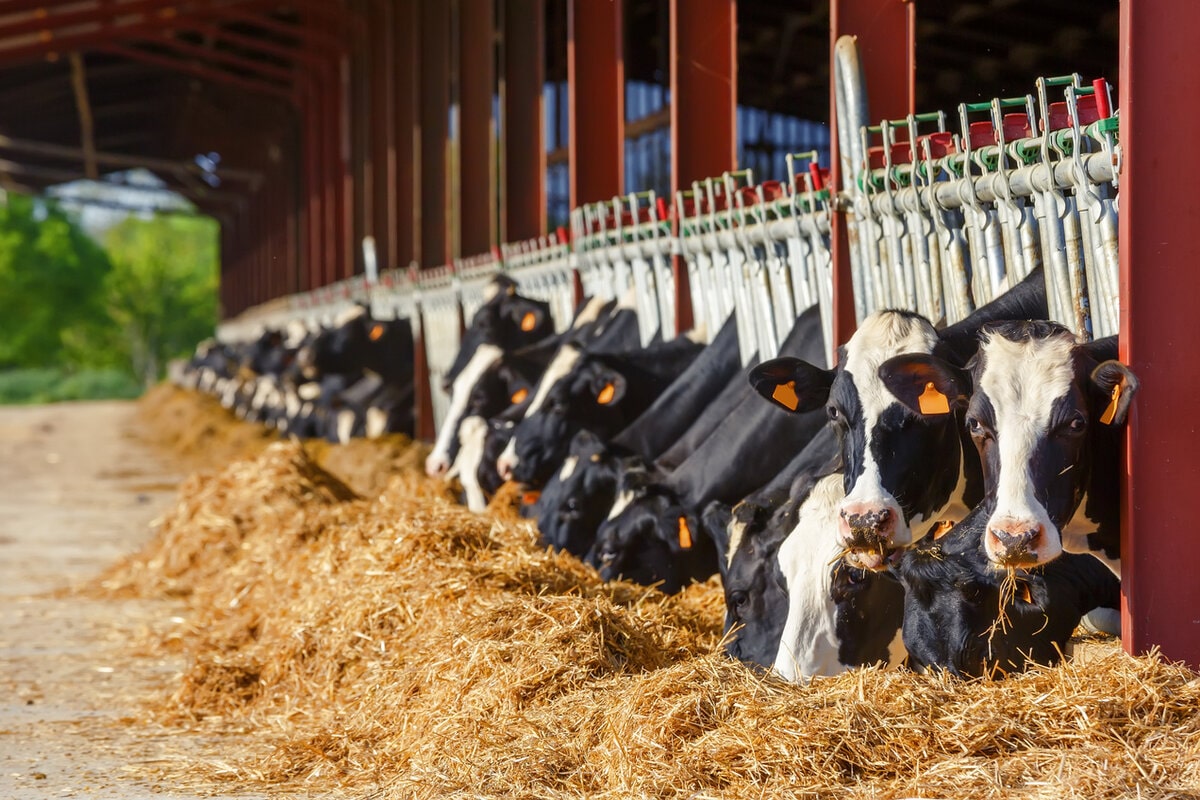
He said one of the main obstacles for smallholder farmers has been the high cost and limited availability of commercial feed. To address this, farmers are being encouraged to produce and preserve their own fodder.
“To further boost productivity, smallholder farmers need to adopt on-farm feed production and preservation techniques. This approach not only reduces feed costs but also ensures reliable access to essential nutrients for their herds.”
This strategy, he said, empowers farmers to maintain herd health and milk yield even during periods when commercial feed becomes scarce or prohibitively expensive.
ZADF has rolled out several programmes to strengthen smallholder operations, most notably the iMoved Project. The initiative assists farmers in increasing herd sizes and adopting green energy technologies to maintain milk quality and the cold chain.
“These advancements are crucial for enhancing milk production and maintaining the cold chain,” Mr Warambwa noted, adding that the project is scheduled to conclude in September.
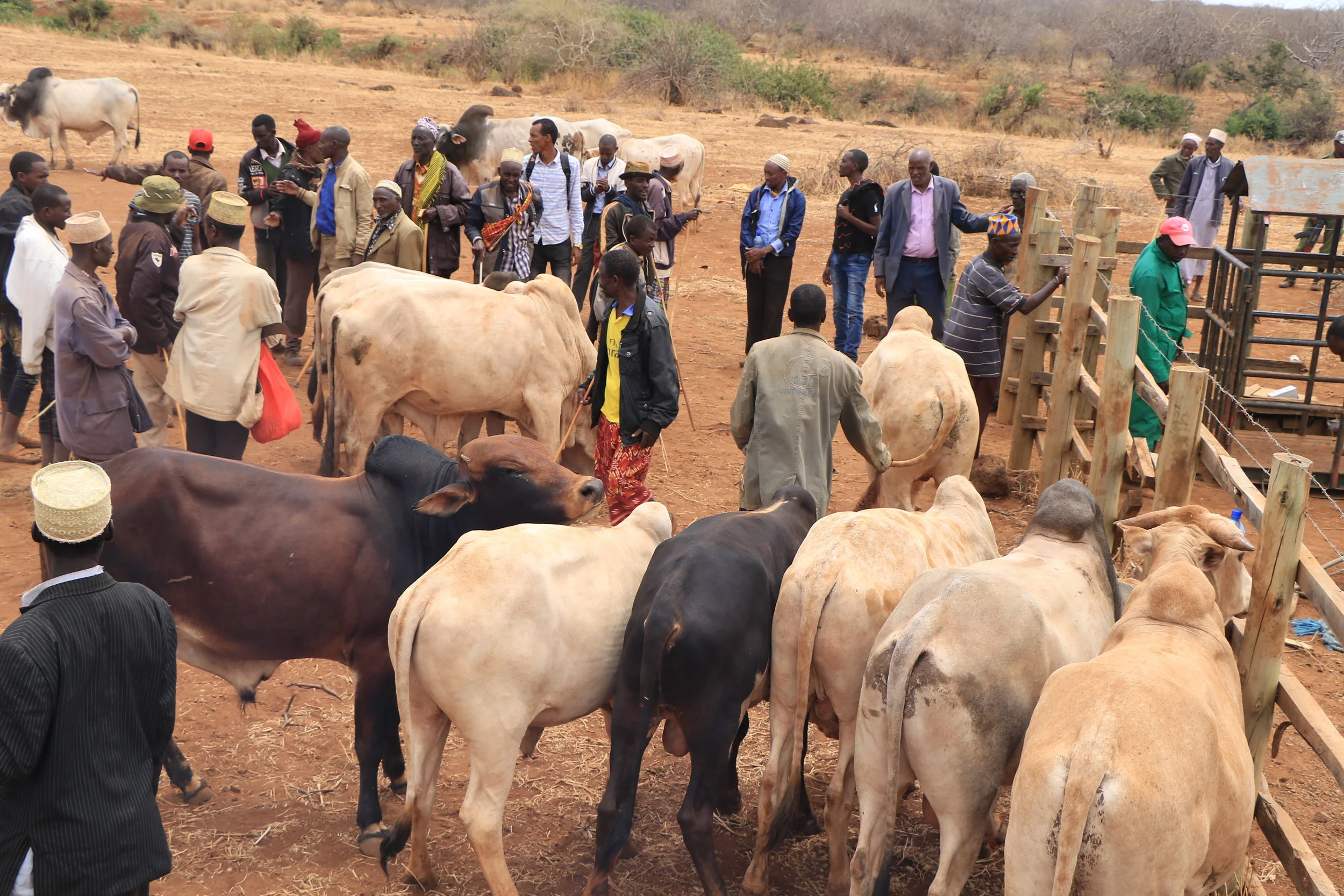
Another key intervention is the Dairy Revitalisation Programme, which provides smallholders with subsidised artificial insemination services to improve the genetic quality of their herds.
“Smallholder farmers are accessing subsidised semen to improve their herds with high-yielding genetics. ZADF is also providing FMD (Foot and Mouth) vaccines at subsidised rates to protect these farmers’ animals against such diseases,” he said.
Despite the optimism, Mr Warambwa warned that the sector faces a number of risks that could affect production growth. Rising input costs, limited access to dairy-specific financing, erratic power supply, deteriorating infrastructure and unpredictable weather patterns remain significant hurdles.
“There is need to address challenges related to rising input costs that do not align with producer prices, rising feed costs, limited access to dairy-specific financing, erratic power supply, deteriorating infrastructure and unpredictable weather patterns,” he said.
To mitigate these risks, the industry is increasingly focusing on sustainable production methods, diversifying feed sources and investing in renewable energy solutions to reduce dependence on unreliable power supplies.
“The sector is preparing to manage these risks by promoting sustainable practices, diversifying feed sources and investing in renewable energy solutions to mitigate power supply issues,” Mr Warambwa said.
He also highlighted the importance of partnerships between the Government, non-governmental organisations and private sector players to support long-term growth.
“Stronger collaboration among these stakeholders is critical to sustaining growth in Zimbabwe’s dairy industry,” he added.Energy transition report
With national milk production projected to rise this year, smallholder farmers are expected to play a central role in achieving these targets.
By adopting innovative feed practices, leveraging improved genetics and participating in support programmes, these farmers can help secure both higher yields and a more resilient dairy sector.
Mr Warambwa said smallholder farmers are not mere participants, but key drivers of Zimbabwe’s dairy industry. With strategic support and sustainable practices, the country’s dairy sector has the potential to meet rising domestic demand and reinforce food security.-herald